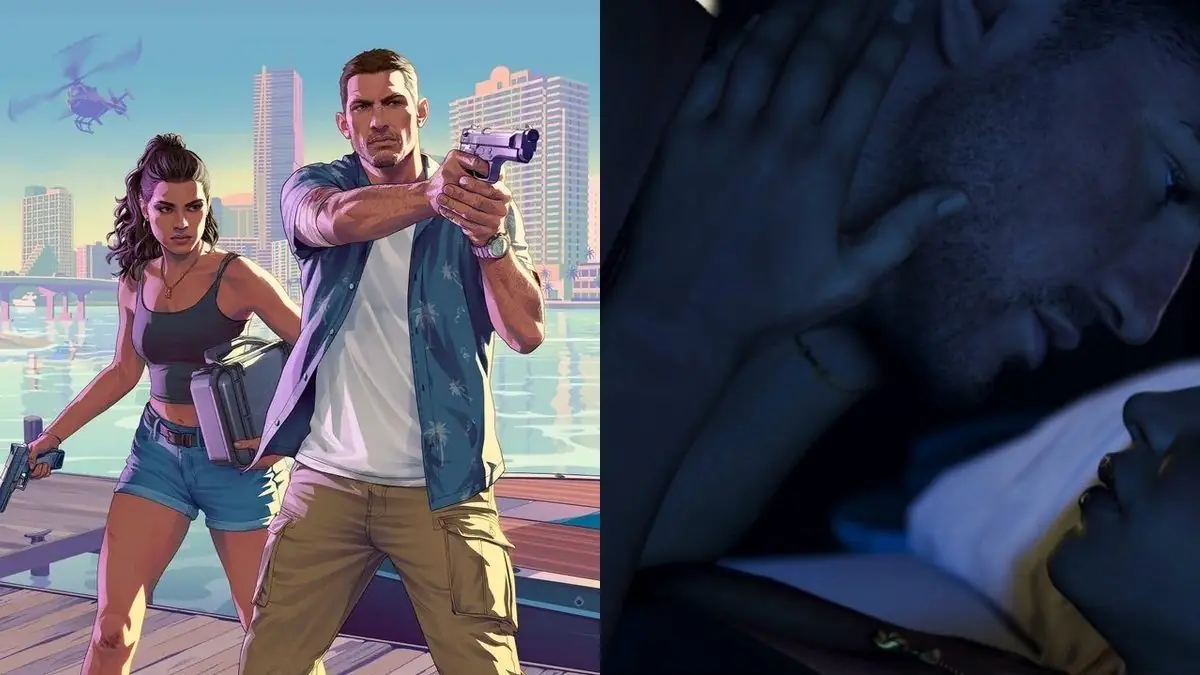
Before GTA 6 has even launched, its protagonists Jason and Lucia are already being crowned as the next generation-defining characters in gaming. This early cultural canonization speaks to something larger than typical pre-release hype — it reflects the unique position Rockstar’s flagship series holds in shaping not just gaming culture, but broader societal trends.
The gaming community’s enthusiasm for these characters runs deeper than standard protagonist excitement. Industry observers note the deliberate naming choices and character design suggest Rockstar is positioning Jason and Lucia as more than just playable avatars — they’re crafting cultural touchstones.
“Jason and Lucia. The 2 era-defining protagonists of GTA 6 who will influence a generation. We’ll see kids and dogs named Lucia, cosplayers locked-in and someone, somewhere, tattoo a giant ‘VI’ on their forehead. Society’s libido won’t survive those two fictional gangsters.” — @thegta6hermit
This prediction of widespread cultural adoption isn’t hyperbole when viewed through the lens of previous GTA protagonists. Tommy Vercetti became synonymous with 1980s nostalgia culture, while CJ’s influence on streetwear and hip-hop aesthetics persisted well beyond San Andreas’s peak popularity.
Meanwhile, industry veterans express measured skepticism about placing such enormous cultural weight on characters before gameplay reveals their depth. The concern centers on whether Rockstar can deliver protagonists with enough narrative substance to justify the generational claims being made.
Notably, some critics point to the gaming industry’s tendency to overhype character-driven narratives at the expense of gameplay innovation. The worry is that focusing too heavily on Jason and Lucia as cultural icons might overshadow the mechanical improvements players expect from a decade-plus development cycle.
The dual protagonist approach itself carries risk. Previous attempts at multiple main characters have produced mixed results across the industry, with players often gravitating toward one character while neglecting the other’s storyline.
The cultural predictions surrounding Jason and Lucia tap into something the gaming community has witnessed before, but perhaps never at this scale. The forecast of children named after these characters, widespread cosplay adoption, and extreme fan dedication reflects the unique position GTA holds in the cultural zeitgeist.
This phenomenon represents the maturation of gaming as a cultural force. Where previous generations drew naming inspiration from film stars or musicians, the prediction suggests video game characters now command similar influence. The cosplay culture mentioned points to gaming’s increasing overlap with fashion and self-expression movements.
Rockstar’s track record supports these ambitious cultural projections. The studio has consistently created characters that transcend their original medium — from Vice City’s Tommy Vercetti influencing retro aesthetics to San Andreas’s CJ becoming a meme icon decades later. The company understands character design as cultural architecture.
The broader gaming industry watches this cultural positioning closely. If Jason and Lucia achieve the predicted influence, it establishes a new benchmark for character-driven marketing and cultural impact. Other studios are likely studying Rockstar’s approach to protagonist development and cultural integration.
Meanwhile, the entertainment industry recognizes GTA’s unique ability to generate cross-media influence. Film, television, and music industries have all drawn inspiration from previous GTA entries, suggesting Jason and Lucia could influence content creation beyond gaming.
The prediction of extreme fan dedication, including permanent tattoo commitments, reflects gaming culture’s evolution toward deeper parasocial relationships with fictional characters. This represents a significant shift in how audiences engage with entertainment properties.
Looking ahead, the true test of Jason and Lucia’s cultural impact won’t come until players spend hundreds of hours inhabiting these characters. The early predictions create substantial expectations that Rockstar must fulfill through compelling character development and memorable story arcs.
The gaming industry will monitor whether this cultural positioning translates to sustained influence or represents overzealous pre-release enthusiasm. If successful, it could establish a new template for how major gaming releases approach character-driven cultural marketing.
Notably, the success of Jason and Lucia as cultural icons depends on factors beyond Rockstar’s control — societal reception, meme culture adoption, and the unpredictable nature of viral cultural phenomena. The gaming community’s early embrace suggests favorable conditions, but cultural impact ultimately emerges organically rather than through calculated prediction.
As GTA 6’s release approaches, these early cultural projections serve as fascinating insight into gaming’s expanded role in shaping broader cultural conversations. Whether Jason and Lucia achieve their predicted generational influence remains to be seen, but the conversation itself demonstrates gaming’s evolved cultural position.