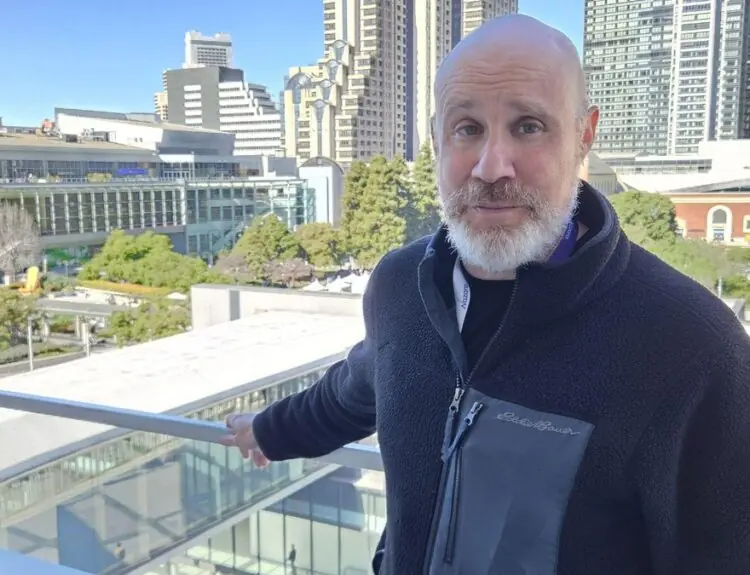
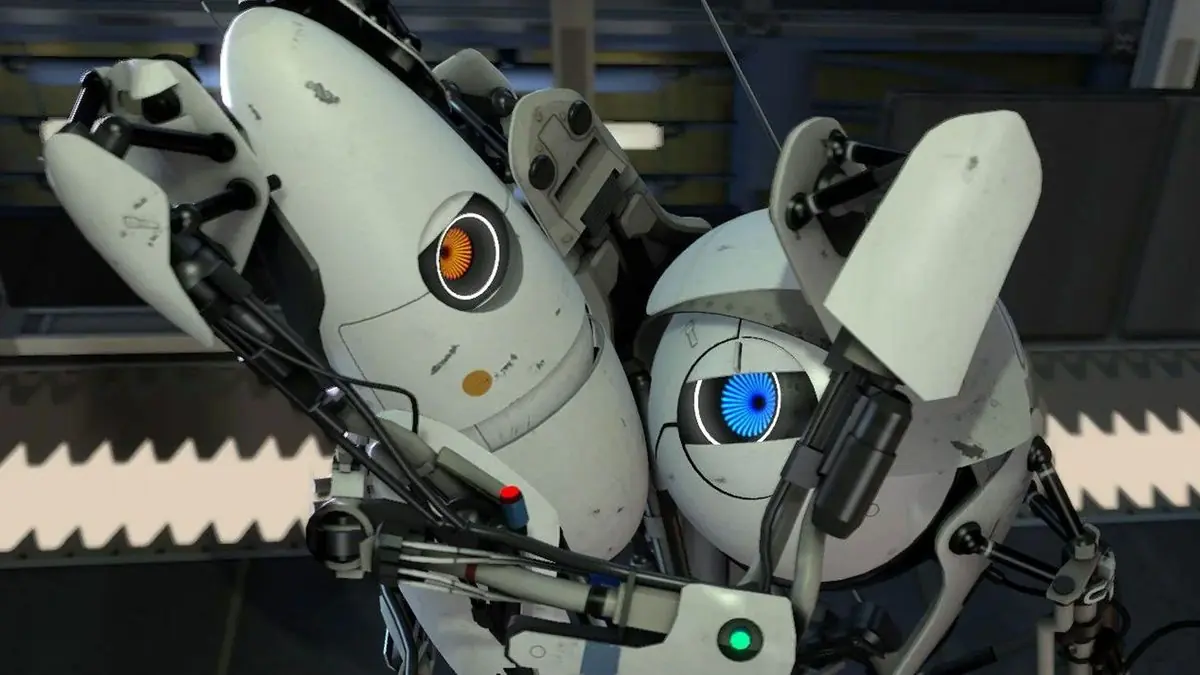
Here’s a revelation that explains a lot about Valve’s mysterious game development drought. Gabe Newell, the company’s co-founder and longtime face, stepped back from making games after Portal 2 for a reason that’s both surprising and oddly relatable: his team kept agreeing with everything he said.
This isn’t your typical corporate power struggle story. Newell didn’t step back because of ego or burnout. He stepped back because he actually wanted less influence, not more.
“Gabe Newell ‘stepped back’ from making games at Valve after Portal 2 because everyone kept agreeing with him when he wanted ‘to be part of the team and come up with ideas'” — r/pcgaming
That’s a fascinating problem to have. Most executives would kill for a team that never questions their vision. But Newell recognized something crucial: when everyone automatically agrees with the boss, you lose the creative friction that makes great games.
Think about it from a development perspective. The best ideas often come from pushing back against initial concepts, iterating through disagreement, and finding solutions nobody saw coming. Portal itself emerged from experimental student projects that challenged conventional thinking about 3D puzzle games.
When your team treats every suggestion as gospel, that iterative process breaks down. You end up with polished versions of first drafts instead of truly refined concepts. For someone who helped create Half-Life and revolutionized digital distribution, that’s probably creative death.
This decision timing is significant. Portal 2 launched in 2011, and it’s arguably Valve’s last major single-player game. Sure, they’ve released updates for Counter-Strike and Dota 2, plus hardware like the Steam Deck. But in terms of groundbreaking narrative experiences? The well has been pretty dry.
Newell’s philosophy here actually makes sense from a systems perspective. Valve operates on a flat organizational structure where employees theoretically choose their own projects. But when the company founder is actively involved, that flatness becomes theoretical. His presence inevitably creates hierarchy, even if unintentional.
By stepping back, Newell preserved the collaborative environment that made Valve’s early games so innovative. It’s a rare case of a leader recognizing that their influence, however well-meaning, was counterproductive to the creative process.
The Portal 2 context adds another layer. That game was a masterclass in puzzle design, narrative integration, and technical polish. It won universal acclaim and cemented Portal as one of gaming’s most beloved franchises. If you’re going to step back from hands-on development, doing it after that kind of creative peak makes sense.
But this decision also explains Valve’s current position in the gaming landscape. They’ve become more of a platform company than a content creator. Steam dominates PC gaming distribution, their hardware ventures show serious technical chops, and their ongoing games receive consistent updates. They’re printing money without needing to chase the next big narrative experience.
From a business analysis standpoint, this strategy works. Steam generates massive revenue with relatively low development costs compared to AAA game production. The Steam Deck creates new market opportunities. Dota 2 and CS2 maintain competitive gaming relevance. It’s a diversified portfolio that doesn’t depend on lightning-in-a-bottle creative hits.
Still, there’s something almost tragic about one of gaming’s most innovative minds deliberately removing himself from the creative process. Newell’s instincts about game design and industry trends have been consistently ahead of the curve. His early push for digital distribution, his understanding of community-driven content, his vision for portable PC gaming – these weren’t accidents.
The irony is that Newell stepped back to preserve creative collaboration, but his absence might have reduced overall creative output. It’s possible that Valve’s team, while more autonomous, lacks the visionary push that drove their groundbreaking projects.
Looking ahead, this revelation raises questions about Valve’s future game development. Will Newell ever return to hands-on involvement? Could they find a middle ground where his input doesn’t dominate the creative process? Or has Valve permanently shifted away from being a game developer toward being a gaming ecosystem company?
Given their recent hardware success and platform dominance, they might not need to change course. But for fans hoping for Half-Life 3 or Portal 3, this explanation provides both clarity and disappointment. Sometimes the most honest answer is also the most frustrating one.
Newell’s decision reflects genuine leadership wisdom, even if it cost us some potentially amazing games. That’s the kind of long-term thinking that built Valve’s empire, even if it means fewer mind-bending puzzles and crowbar adventures.