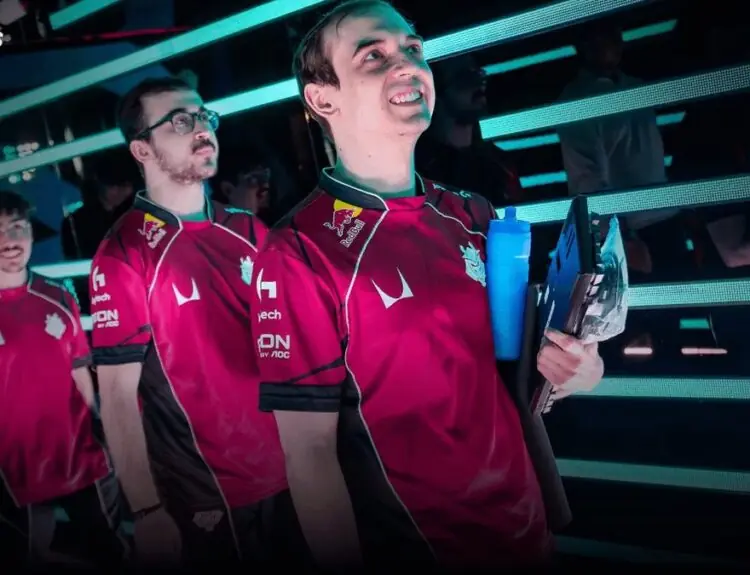
When two of the world’s best League of Legends teams head to the same tournament, you’d expect similar treatment. But G2 Esports and Gen.G’s recent trip to Brazil showed just how different the esports world can be — even at the top level.
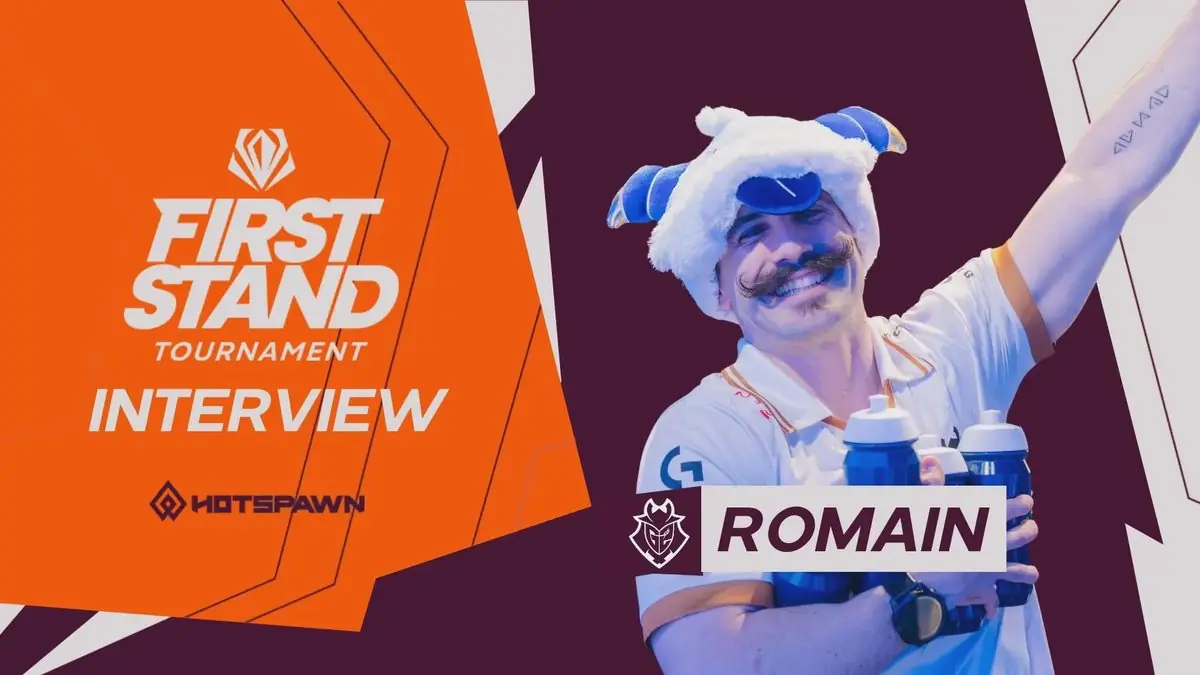
The story came out when G2’s Romain spoke about their travel experience. It turns out Gen.G was living it up in business class while G2 was making do with economy plus seats. The contrast couldn’t be more obvious.
“Gen.G flexed on us a bit because they were all traveling business, and we were just traveling Eco+ […] Outside of that, it was a pretty smooth trip […] We had already changed our schedule in Berlin, so we are actually full speed already.” — u/Dovipower on r/leagueoflegends
Romain’s response shows the kind of class we’ve come to expect from G2’s management. No whining, no drama — just acknowledging the difference and moving on. That’s the kind of attitude that keeps teams focused on what matters: winning games.
But let’s be real about what this means. When you’re flying halfway around the world for a major tournament, comfort matters. Business class means better sleep, more space, and arriving ready to compete. Economy plus gets you there, but after 15+ hours of travel, every player knows which one they’d rather take.
This isn’t about G2 being cheap or Gen.G showing off. It’s about the reality of esports economics in 2026. Different orgs have different resources, and those differences show up in ways we don’t always see. Travel budgets might seem small compared to player salaries, but they add up over a season of international events.
For players, this stuff matters more than fans might think. We’re talking about athletes who need to perform at their peak. Jet lag hits different when you’re trying to hit skillshots and make split-second calls. The team that arrives more rested has a real advantage, even if it’s small.
Gen.G’s business class travel makes sense when you look at their backing. Korean esports orgs often have serious financial support, and Gen.G has been investing heavily in their League program. They’re treating their players like the high-level athletes they are.
G2, meanwhile, has always been about doing more with less. They’ve built a reputation on smart moves and team chemistry rather than just outspending everyone. Economy plus still isn’t bad — it’s a step up from regular economy that most of us fly. But the gap is real.
The Berlin schedule change both teams had to make adds another layer. International tournaments are complex beasts, and teams have to be flexible. Both orgs adapted, showing the kind of professionalism that keeps esports growing.
What’s interesting is how open Romain was about the whole thing. In traditional sports, you might never hear about this kind of detail. But esports has always been more transparent, more connected to the community. We get to see behind the curtain in ways that make us feel closer to our favorite teams.
This travel gap reflects bigger trends in competitive League. The gap between the richest and poorest teams keeps growing. That’s not necessarily bad — competition drives innovation and investment. But it does mean some teams have advantages that go beyond just having better players.
Brazilian fans probably don’t care how the teams got there, as long as they’re ready to play. But for those of us who follow the scene closely, these details matter. They show us how the business side of esports affects what happens on the Rift.
Both G2 and Gen.G are elite organizations with world-class players. A few hours of extra legroom won’t decide who wins the tournament. But in a sport where tiny advantages can swing entire series, every edge counts.
The fact that both teams made it to Brazil and were ready to compete shows their professionalism. Whether you fly business or economy plus, what matters is how you perform when the games start. Still, next time G2 might want to book their flights a little earlier — or find some extra budget for those long international trips.
As esports continues to grow and attract more investment, expect to see more of these kinds of disparities. The teams with the biggest budgets will keep pushing boundaries, while others find creative ways to compete. That’s just how sports work, whether it’s traditional or electronic.