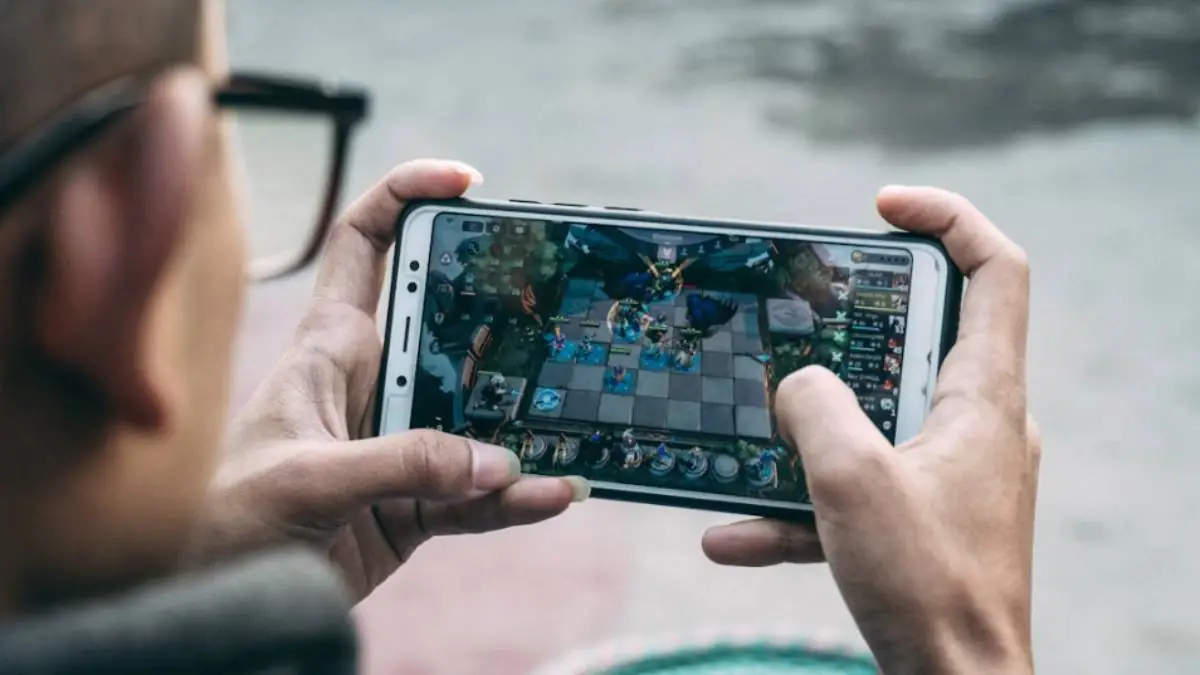
I’ve been gaming on my phone since the early days of Snake and Tetris, but looking at where we stand in 2025, mobile gaming has completely transformed. What used to be a way to kill time during a bus ride is now a serious platform for immersive gameplay, competitive titles, and interactive social experiences. Whether it’s RPGs, shooters, or quick-fire puzzle apps, mobile has become the center of gravity for gamers like me. And let’s be honest, mobile gaming is now the main way many of us get our gaming fix in.
The New Face of Mobile Gaming
This year feels like a turning point. The lines between casual gaming and competitive entertainment are fading fast. Players who once tapped away at Candy Crush are now experimenting with strategy-heavy multiplayer battles or exploring digital platforms that offer iGaming experiences. It’s not just about fun anymore—it’s about the thrill of engagement and sometimes even rewards. Platforms like online casinos are finding ways to merge that sense of chance with gaming mechanics we already know from mobile titles. For gamers like me, it’s a strange yet exciting mix of familiarity and novelty.
Mobile gaming now offers experiences that feel just as immersive as traditional gaming setups, thanks to new tech like 5G connectivity and powerful mobile GPUs. With these advancements, playing complex games on the go is no longer a dream, but a reality. Plus, the ability to sync progress across devices has made switching between platforms a breeze. Whether I’m on my phone during a commute or gaming on my console at home, I never feel disconnected from the action.
Why 2025 Is Different
So, what exactly changed? Three things stand out this year:
1. Cross-platform play – I can start a game on my console, continue on my phone, and never lose progress.
2. Cloud streaming – Thanks to services similar to Xbox Cloud Gaming, I don’t need high-end hardware in my pocket anymore.
3. Interactive iGaming mechanics – Features like live lobbies, avatar customization, and voice chat have crossed over from gaming apps into iGaming platforms, making the experience less about “gambling” and more about “playing.”
It’s clear that the lines between casual games and more competitive, even gambling-oriented, experiences are becoming less defined. Games designed to be fun and interactive now feature elements that allow for the chance to win money, creating a new gaming ecosystem that blends both worlds seamlessly.
Social Gaming Is the Core
One thing I notice more than anything is how social mobile gaming has become. In-game chats, squad challenges, and community events are everywhere. I was reading an update on HappyGamer’s mobile news section that pointed out how mobile titles now often launch with built-in streaming or sharing options. It’s a sign of where things are heading—gaming is no longer a solo experience on mobile.
Bullet points on how social gaming stands out in 2025:
– Players form digital clans with real-world meetups.
– Esports tournaments can be streamed directly from a phone.
– Virtual hangouts, once limited to platforms like VRChat, are now baked into standard apps.
These social elements also create a more inclusive gaming culture, where I don’t just interact with my friends but meet new players from around the world. This evolution has made gaming much more collaborative and social—just one more reason why mobile gaming is so much fun now.
Microtransactions Reimagined
In 2025, microtransactions look very different from what I grew up with. They’re no longer about simply buying gems or skins. Instead, we’re seeing:
– Seasonal passes with dynamic challenges.
– Skill-based unlockables that reward actual gameplay, not just spending.
– Shared economies where items can be exchanged between games, creating long-term value.
As a gamer, I don’t mind spending when it feels like I’m getting genuine worth. Some models even allow items to retain value outside the original app, which feels revolutionary compared to the old “buy once, lose forever” model. With integrated items like rare skins, weapons, or character upgrades, these purchases often feel like I’m contributing to my overall gaming experience rather than just paying for temporary extras.
The Impact of AI on Mobile Gaming
Another noticeable leap is the role of artificial intelligence. AI isn’t just behind the enemies we face; it’s part of the player’s toolkit. Smart difficulty adjustments, adaptive soundtracks, and AI-powered NPCs make mobile experiences feel alive. According to MIT Technology Review, AI-driven personalization is one of the biggest tech shifts shaping entertainment in 2025—and as a gamer, I see it first-hand every time I open a new app.
Games like GTA V or Red Dead Redemption 2 are known for their lifelike NPCs, but imagine that level of immersion on a mobile device—AI helps build responsive, evolving worlds that adjust to my playing style, keeping things fresh no matter how many hours I spend in-game.
iGaming and Gamification Convergence
Here’s where things get more interesting. iGaming platforms are borrowing heavily from mainstream gaming, offering:
– Leaderboards and achievements much like mobile RPGs.
– Story-driven quests wrapped around traditional iGaming mechanics.
– Daily missions encouraging short, consistent play sessions.
I know some fellow gamers who never touched iGaming before but are now dipping their toes in because it feels more like a “game” and less like a “bet.” The psychology of rewards is the same, but the presentation has evolved. The interactive and engaging nature of these platforms makes the experience feel less transactional and more like a game I enjoy playing, even if money is involved.
Internal Gaming Ecosystems
Another trend is how publishers are creating ecosystems that trap us (in a good way) within their universe. By keeping multiple titles connected, rewards earned in one game might give perks in another. I saw a report on HappyGamer’s tech coverage explaining how publishers are focusing on ecosystem loyalty—and as a player, I can feel the pull.
Numbered list of why ecosystems are effective for gamers:
1. Consistency – same design language and controls across multiple apps.
2. Progression – rewards in one game unlock bonuses in another.
3. Community overlap – players stick within one publisher’s network, strengthening groups and rivalries.
My Perspective as a Gamer
For me, mobile gaming in 2025 isn’t about chasing the biggest graphics or deepest mechanics. It’s about accessibility, community, and the thrill of small but meaningful interactions. Being able to hop into a competitive arena match, complete a quick quest, or check out new iGaming formats during lunch breaks gives me flexibility I couldn’t imagine ten years ago.
In some ways, mobile gaming has become the most accessible way for gamers of all kinds to interact with each other. Whether it’s a single-player adventure, a team-based multiplayer game, or an iGaming tournament, mobile platforms provide an opportunity to experience it all—on my terms, on my device, whenever I want.
Mobile gaming has moved far from its casual roots. What started as simple distractions have grown into platforms that offer competitive challenges, deep social interaction, and even iGaming thrills. In 2025, mobile is no longer the “secondary” way to play—it’s the main stage for millions of us. For gamers like me, it’s both nostalgic and exciting: a reminder of how far we’ve come, and a glimpse of how much more immersive, interactive, and rewarding mobile gaming can get.