Getting your gaming account hacked is already a nightmare. But what happens when you finally get it back and discover the hacker went on a shopping spree? One Fortnite player just lived through this exact scenario, and honestly, it’s giving mixed emotions.
The whole saga started like most account compromises do — suddenly locked out, panic setting in, and multiple failed recovery attempts. But this story has a plot twist that’s got the FortNiteBR community talking.
“Got my account back 😱 Well… I thought I’d try one more time at a recovery attempt and it actually worked. I feel kind of bad because whoever had access to my account spent quite a bit of money 💀” — u/sleeepygrl on r/FortNiteBR
Yeah, you read that right. The hacker didn’t just steal the account — they actually spent their own money on it. Talk about unexpected character development.
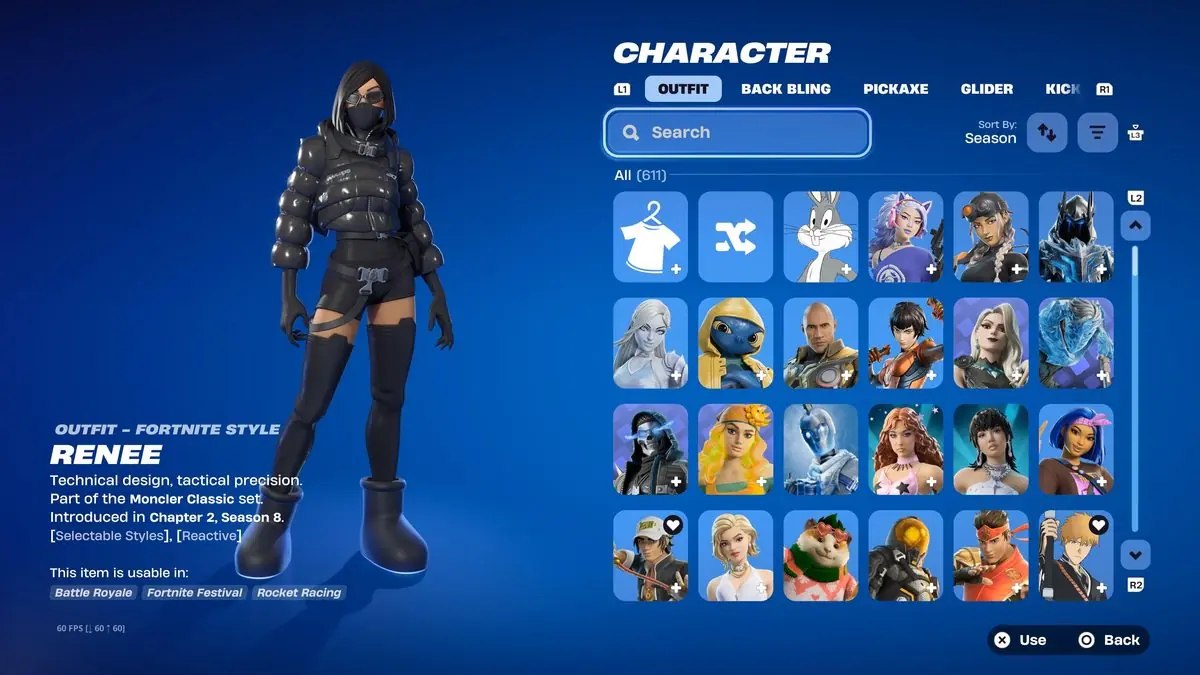
This whole situation is lowkey wild when you think about it. Most hackers are trying to drain your wallet or sell your account. But this one apparently fell in love with Fortnite skins and decided to upgrade someone else’s collection. It’s unhinged behavior, but in the weirdest way possible.
The fact that our player feels “kind of bad” about it says everything about the gaming community’s conscience. Like, morally speaking, they know the hacker was wrong. But practically speaking, free V-Bucks and skins? That’s a tough pill to swallow, even if it came from criminal activity.
Account security in Fortnite has been a hot topic for years now. Epic Games has beefed up their two-factor authentication and recovery systems, but hackers keep finding ways in. Usually through password reuse, phishing emails, or those sketchy “free V-Bucks” websites that are obviously too good to be true.
What makes this story different is the persistence factor. Our player didn’t give up after the first few failed recovery attempts. They kept trying, which honestly shows the dedication we all have to our gaming accounts. These aren’t just usernames and passwords — they’re digital identities loaded with progress, purchases, and memories.
The spending part though? That’s where things get really interesting. Most account thieves are looking for quick profit. They’ll either drain payment methods, sell rare items, or flip the entire account. But spending their own money suggests this wasn’t a typical scammer. Maybe it was a kid who got access and went wild in the item shop. Or someone who genuinely wanted to play but couldn’t afford their own account.
Regardless of the hacker’s motivations, this situation highlights a bigger problem in gaming. Our accounts are becoming more valuable than ever. Between battle passes, exclusive skins, and years of progress, a high-level Fortnite account can be worth hundreds or even thousands of dollars. That makes them prime targets for cybercriminals.
The gaming industry needs to keep pushing stronger security measures. Two-factor authentication should be mandatory, not optional. Recovery systems need to be faster and more reliable. And players need better education about password security and phishing attempts.
For now though, this story serves as both a cautionary tale and a weird success story. Account recovery is possible, even when it feels hopeless. But the emotional complexity of benefiting from a crime? That’s something the gaming community is still figuring out.
Moving forward, Epic Games will probably use cases like this to refine their recovery processes. The fact that it took multiple attempts suggests there’s room for improvement. Players shouldn’t have to keep trying over and over just to prove they own their own accounts.
As for our lucky player, they’re probably torn between celebrating their recovered account and feeling guilty about the unexpected upgrades. It’s a uniquely modern gaming dilemma that perfectly captures how complicated digital ownership has become.
The lesson here? Enable two-factor authentication yesterday, use unique passwords, and never click those suspicious links promising free V-Bucks. But also, don’t give up on account recovery if you get hacked. Sometimes persistence really does pay off — even in the most unexpected ways.