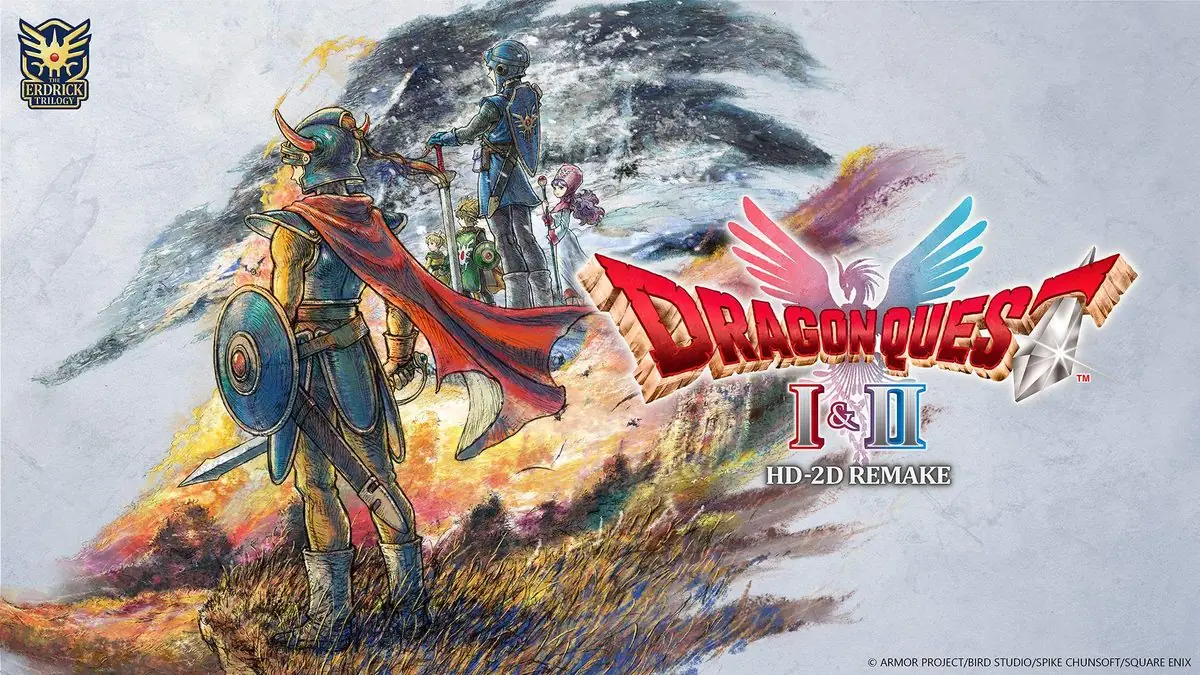
In a move that feels like lifting a curse from a classic quest, Square Enix has quietly removed Denuvo anti-piracy protection from Dragon Quest I & II HD-2D Remake on PC. The change transforms what was once a technically shackled experience into something closer to the pure adventure Yuji Horii originally envisioned.
The discovery came through the ever-watchful PC gaming community, where players keep tabs on the technical threads that bind their favorite stories.
“Square Enix removed Denuvo from DRAGON QUEST I & II HD-2D Remake” — u/Turbostrider27 on r/pcgaming
This isn’t just a technical update. It’s a narrative shift in how Square Enix approaches the relationship between protector and player. Denuvo has long been the digital equivalent of an overzealous castle guard — well-meaning but often getting in the way of the very people it’s supposed to serve.
For Dragon Quest fans, this change carries deeper meaning. These aren’t just any RPGs we’re talking about. The original Dragon Quest laid the foundation for an entire genre, teaching generations what it means to embark on a hero’s journey. Dragon Quest II expanded that world, showing how stories can grow and connect across time and space.
When technical barriers stand between players and these foundational tales, it feels wrong on a fundamental level. It’s like having to solve a riddle just to open a beloved storybook. The removal of Denuvo strips away that unnecessary layer, letting players dive straight into the world-building and character development that make these games timeless.
The HD-2D remake treatment already gave these classics a visual language that bridges past and present. Now, without Denuvo’s potential performance hiccups, that artistic vision can shine through unimpeded. Loading times shrink. Frame rates stabilize. The technical experience aligns with the emotional one.
This decision also reflects a broader evolution in how publishers think about post-launch support. Denuvo serves its purpose in those crucial first weeks when piracy concerns run highest. But once a game has established its place in the market, keeping those digital chains becomes harder to justify.
Square Enix has been on something of a redemption arc with PC players lately. Years of questionable ports and delayed releases damaged trust, but moves like this help rebuild that bridge. It’s a recognition that PC players aren’t just an afterthought — they’re part of the Dragon Quest community too.
The timing feels particularly meaningful. As we move deeper into 2026, the conversation around digital rights and game preservation grows louder. Players increasingly understand that the games they love today might become inaccessible tomorrow if weighed down by outdated protection schemes. By removing Denuvo, Square Enix takes a step toward ensuring these classic adventures remain playable for future generations.
This also sets a precedent for how the publisher might handle upcoming releases. With Dragon Quest III HD-2D Remake on the horizon, PC players now have reason to hope for a launch strategy that prioritizes performance over paranoia.
The cultural impact extends beyond technical specifications. Dragon Quest has always been about bringing people together — from the communal puzzle-solving of the early games to the shared excitement of each new announcement. When technical barriers divide the community, they work against that core philosophy.
Removing Denuvo sends a message that resonates with the series’ themes of trust, friendship, and working toward common goals. It’s a small gesture that carries significant symbolic weight.
Looking ahead, this could signal a shift in Square Enix’s long-term PC strategy. As cloud gaming and subscription services reshape the industry, the old models of copy protection become less relevant. Publishers who adapt early to this new landscape position themselves better for whatever comes next.
For players diving into these remakes today, the path forward is clearer than ever. Two legendary adventures await, free from the technical tangles that once complicated the journey. Sometimes the best gift a publisher can give isn’t new content — it’s simply getting out of the way and letting great stories speak for themselves.