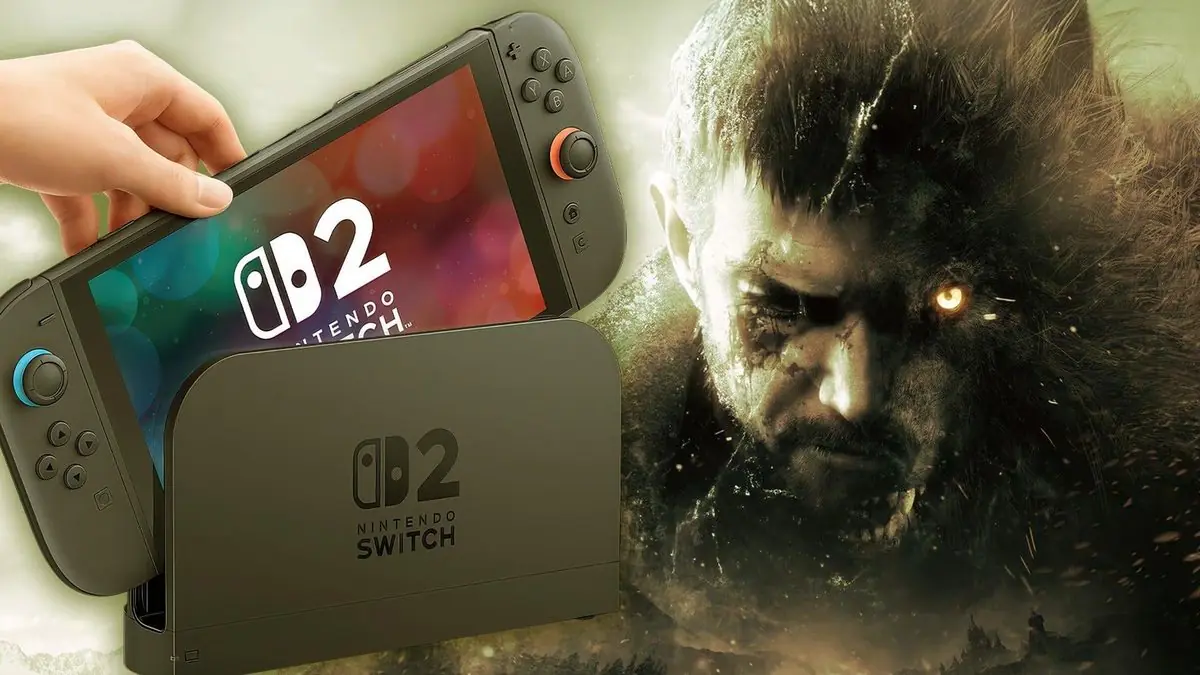
Nintendo Switch 2 just got its most telling performance test yet, and the results are as mixed as a horror movie sequel. Digital Foundry dropped their analysis of two Capcom horror heavyweights running on the upcoming console, and it’s a perfect case study of how optimization can make or break a port.
Resident Evil 7 is the clear winner here, and honestly, it makes sense. The 2017 horror hit was built during an era when developers still cared about making games run on weaker hardware. RE7’s engine was designed to scale down gracefully, and it shows on Switch 2. From what we’re seeing, the game maintains its creepy atmosphere without the technical hiccups that usually plague ambitious ports.
The performance feels smooth where it matters most. Those tense moments creeping through the Baker house won’t be ruined by framerate drops or stuttering. RE7’s visual design was always about clever lighting and atmosphere over raw polygon counts, which plays perfectly to Switch 2’s strengths. It’s proof that smart game design beats brute force every single time.
But then there’s Resident Evil Village, and that’s where things get ugly fast.
“Digital Foundry: Resident Evil 7 Shines On Switch 2, But Village Falls Short” — u/Turbostrider27 on r/NintendoSwitch
Village’s struggles aren’t shocking if you’ve been paying attention. This is a game that was built to show off next-gen consoles back in 2021. All those detailed character models, complex lighting effects, and massive environments that made Lady Dimitrescu look so imposing? They’re exactly the kind of tech that doesn’t translate well to portable hardware, even upgraded portable hardware.
The performance issues likely hit during the game’s more ambitious sequences. Those village fights with multiple enemies and particle effects probably turn into slideshows. The castle sections with their intricate lighting and detailed textures are probably where Switch 2 starts sweating. It’s the classic problem of trying to squeeze a next-gen experience into hardware that’s still fundamentally designed for efficiency over raw power.
What makes this particularly frustrating is that Village could have worked with proper optimization. Look at what other developers have pulled off on the original Switch — games like Doom Eternal and The Witcher 3 that had no business running on that hardware but somehow did. The difference is those ports got the time and effort they deserved.
This performance gap tells us everything about Switch 2’s position in the gaming landscape. It’s definitely more powerful than the original Switch, but it’s not going to magically run every current-gen game without serious compromises. The console seems built for games like RE7 — titles that prioritize smart design over spec sheet bragging rights.
The bigger picture here is about Nintendo’s third-party strategy going forward. Publishers are going to look at results like this and make calculated decisions about which games are worth porting. RE7’s success proves that slightly older AAA titles can find new life on Switch 2, but Village’s struggles show that day-and-date releases of cutting-edge games probably aren’t happening.
This could actually work in Nintendo’s favor. The gaming library that’s 3-5 years old right now is massive and mostly untapped on Switch. Think about all the excellent games from 2019-2022 that never made it to the original Switch because of hardware limitations. Switch 2 could become the perfect platform for those games to find a second audience.
For Capcom specifically, this has to be a wake-up call. RE7’s strong performance shows there’s definitely a market for their horror games on Switch 2, but they need to plan their ports more carefully. Village needed more development time to run properly, or maybe it needed to wait for a more powerful Nintendo console.
The timing of this analysis is perfect since Switch 2 details are still emerging. Digital Foundry’s work here gives us real data about what to expect instead of just marketing promises. RE7 running well is genuinely exciting news for handheld gaming fans who want full AAA experiences on the go.
Looking ahead, this sets expectations for other major franchises considering Switch 2 ports. Publishers now have concrete evidence of what works and what doesn’t. Games built with scalability in mind, like RE7, will likely thrive. But ambitious current-gen exclusives trying to show off cutting-edge graphics? They might want to wait or invest serious time in optimization.
The real test will be seeing how Nintendo and third-party developers learn from these results when Switch 2 actually launches.