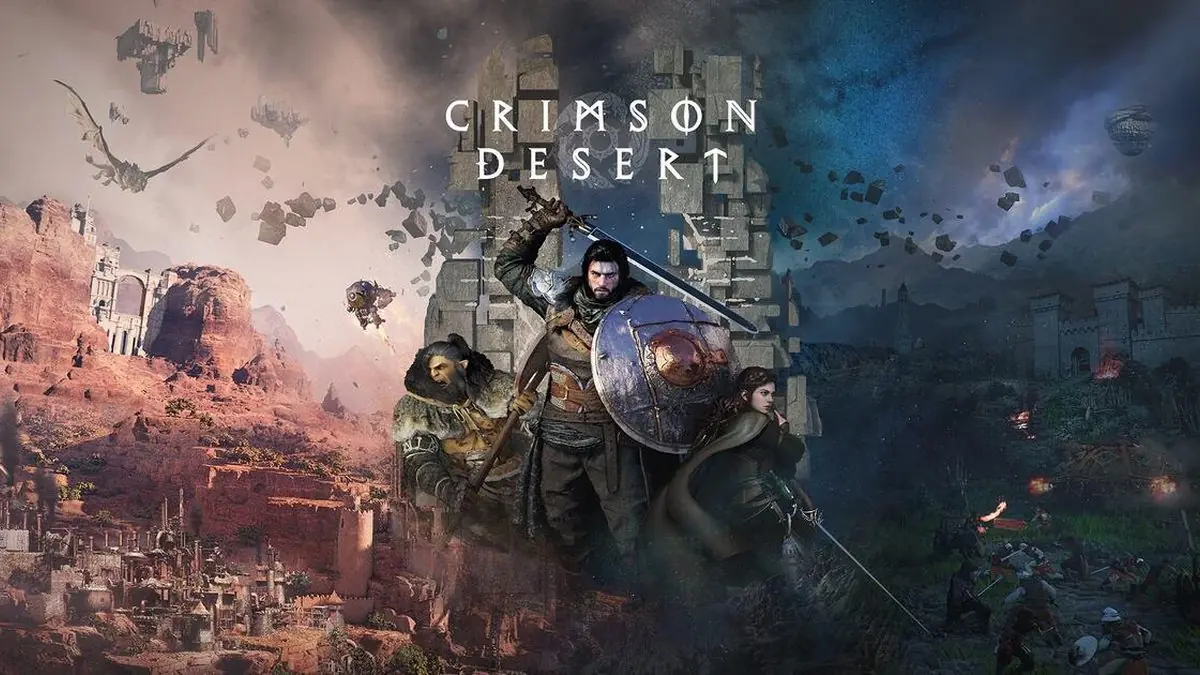
Seven years. That’s how long Pearl Abyss poured their soul into Crimson Desert, crafting what they hoped would be their magnum opus. Seven years of sleepless nights, endless iterations, and unwavering belief. Then the reviews dropped like a guillotine blade, and in a single morning, 28% of their market value vanished into the digital void.
This isn’t just another story about disappointing game scores. This is a cautionary tale about the razor’s edge that gaming companies walk every single day, where years of artistic vision can be obliterated by the cold mathematics of market sentiment.
The numbers tell a brutal story. As the sun rose on March 19th, Pearl Abyss stock was trading at a comfortable 65,600 won. By 9:24 AM, it had plummeted to 47,300 won—an 18,300 won freefall that left investors reeling and dreams shattered. The culprit? Metacritic’s 78/100 score for Crimson Desert, a grade that in any classroom would earn you a B+, but in the unforgiving arena of stock markets apparently signals doom.
“Pearl Abyss stock down 28% due to lower than expected Crimson Desert reviews. Investor sentiment appears to have soured as overseas reviews of the new title ‘Crimson Desert,’ unveiled after a seven-year development period, were mixed. As of 9:24 a.m. that day, Pearl Abyss was trading at 47,300 won, down 18,300 won (27.90%) from the previous session. Global review site Metacritic disclosed that the PC version Metascore for Crimson Desert was 78 that day. While graphics and combat dynamism scored high, it received negative assessments on controls and depth. Seems like a pretty crazy and hasty move but the stock market hasn’t made sense in a long time.” — u/Iggy_Slayer on r/gaming
The irony cuts deep as a blade through bone. Crimson Desert actually earned praise where it matters most to players—graphics that paint worlds worth getting lost in, and combat that flows like a deadly dance. These are the elements that make gamers’ hearts race, that create those legendary “just one more hour” sessions that stretch until dawn.
But the market doesn’t play games the way we do. It saw “negative assessments on controls and depth” and hit the panic button faster than a rage-quit in Dark Souls. The disconnect between what actually makes a game great and what makes investors happy has never been more stark.
This crash exposes something rotten in the relationship between artistic vision and financial reality. Seven years is an eternity in game development—longer than some console generations. It’s enough time to watch an entire generation of developers grow from junior programmers to senior architects. It’s enough time for gaming trends to rise, peak, and fall into obscurity.
Yet here we are, watching that seven-year journey reduced to a single number that somehow wasn’t high enough to satisfy the hunger of the market. A 78 on Metacritic isn’t failure—it’s solid, respectable, the kind of score that should signal “good game, worth your time.” But in the twisted logic of stock trading, it became a death sentence.
The real tragedy isn’t just the financial bloodbath. It’s what this signals to other developers watching from the sidelines. When you see seven years of passion reduced to market panic over review scores that are actually pretty decent, it makes you wonder: is the risk worth taking?
This moment crystallizes the impossible position modern game studios find themselves in. They’re not just entertainment companies anymore—they’re high-stakes gambling operations where creative vision must somehow align perfectly with investor expectations and review aggregator algorithms. One misstep, one feature that doesn’t quite land, one control scheme that feels slightly off, and millions of dollars can evaporate before lunch.
The gaming industry has always been volatile, but this level of market sensitivity to review scores feels like a new kind of madness. We’re witnessing the birth of a world where Metacritic scores carry more weight than player enjoyment, where the difference between a 78 and an 85 can mean the difference between celebration and catastrophe.
Looking ahead, this crash will send shockwaves through Pearl Abyss and likely influence every major gaming company’s approach to managing investor expectations. The message is crystal clear: in today’s market, “pretty good” isn’t good enough. You either achieve critical acclaim or face the wolves.
For Crimson Desert itself, this controversy might actually boost player interest. Nothing sells a game quite like dramatic headlines and market chaos. Players tend to be more forgiving than investors, and many will want to judge the seven-year journey for themselves.
The real question is whether Pearl Abyss can weather this storm and continue pursuing their creative vision, or if they’ll be forced to play it safe, chasing the perfect review scores that apparently mean everything in this brave new world of gaming finance.