Every indie game has its moment of truth. That fork-in-the-road instant where months of coding, testing, and dreaming either pay off or fade into Steam’s endless library of forgotten titles. For developer Nick, that moment just arrived with the full launch of Crabmeat.
This isn’t your typical indie launch story though. While most developers throw their games into the digital void and hope for the best, Nick took a different path. He built something rarer than any legendary loot drop: a genuine community.
The journey started with a demo that did what demos are supposed to do but rarely accomplish. It actually got people talking. Players didn’t just download it, play for ten minutes, and move on. They stuck around. They found bugs. They shared feedback. Most importantly, they cared enough to join Nick’s Discord and become part of the development process.
“Thanks to everyone who checked out the demo, gave feedback, sent bug reports or has been helping test in the discord. I’m going to keep my eye out for bugs or issues to fix in the short term, so please report anything you run into as the full game has obviously had less testing than the demo content.” — Crabmeat on Steam
That message captures something beautiful about indie development. It’s honest. Nick admits the full game has had less testing than the demo content. He’s not trying to sell perfection wrapped in marketing speak. He’s asking his community to keep being part of the story.
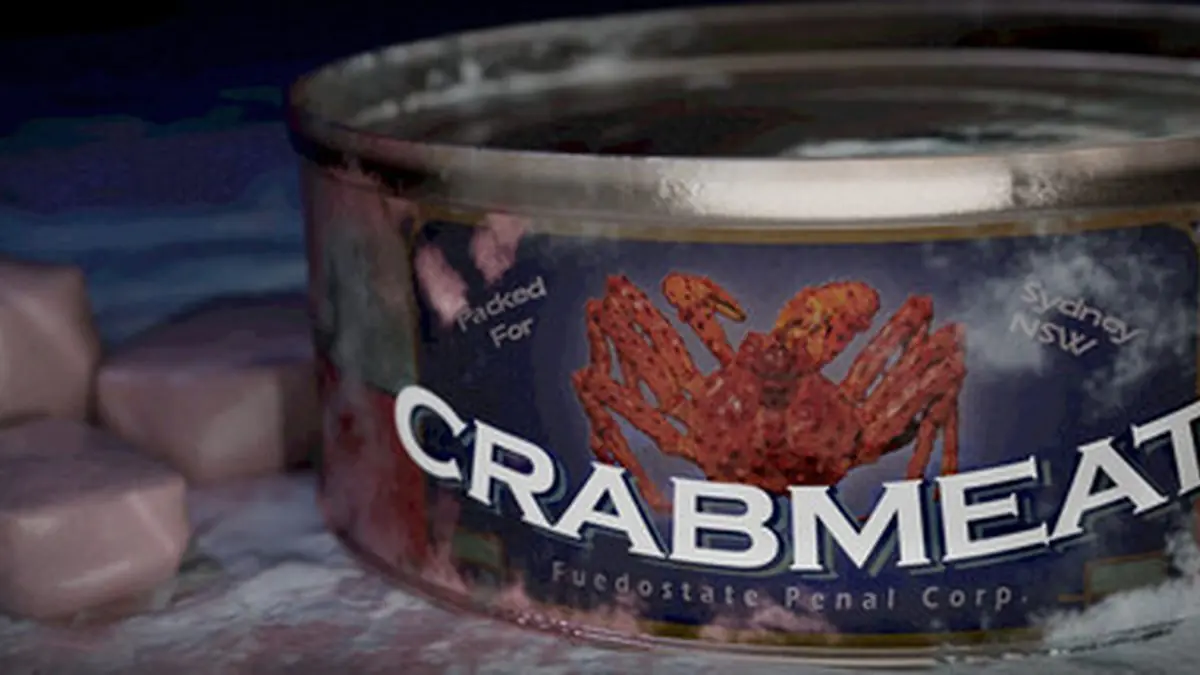
The name “Crabmeat” itself suggests this isn’t taking itself too seriously. In a world where every indie game tries to be the next Hades or Celeste, sometimes you need a title that just sounds like fun. The “Penal Colony Workers” greeting in Nick’s announcement adds to that vibe. This feels like a game made by someone who understands that gaming should be, well, fun.
But here’s where the story gets interesting from a development perspective. Nick’s being refreshingly upfront about the business realities facing indie creators. Gamepad support and localization aren’t guaranteed features. They’re dreams that depend on sales numbers.
This transparency matters more than you might think. Too many indie developers make promises they can’t keep, leading to disappointed communities and broken trust. Nick’s approach is different. He’s saying “I want to do these things, but I need your support to make them happen.”
The Steam review request isn’t just about ego or validation. In Steam’s algorithm-driven ecosystem, reviews are literally the difference between visibility and invisibility. Every positive review helps Crabmeat surface in discovery queues and recommendation systems. When Nick asks players to leave reviews, he’s not being needy. He’s fighting for survival in a marketplace that launches dozens of new games daily.
What makes this launch feel special is how it represents the best of indie game development. No massive marketing budget. No flashy trailers with orchestral scores. Just a developer, a community, and a shared belief that something good can come from collaboration.
The Discord testing community deserves recognition here too. These aren’t paid QA testers or professional reviewers. They’re gamers who saw potential in a demo and decided to invest their time in making it better. They found bugs, suggested improvements, and helped shape the final product. In many ways, they’re co-creators of Crabmeat’s success.
This community-driven approach to development is becoming more common, but it’s still not easy to pull off. It requires developers who can handle criticism, players willing to provide constructive feedback, and enough mutual respect to keep the relationship productive. Nick seems to have cracked that code.
Looking ahead, Crabmeat’s future depends on those early Steam sales figures. If the game finds its audience, we might see gamepad support and localization that could expand its reach even further. If not, it might remain a smaller but beloved title with a dedicated fanbase.
Either outcome would be valid. Not every indie game needs to become a massive hit to succeed. Sometimes success is building something you’re proud of, finding the players who appreciate it, and creating a positive experience for everyone involved.
For now, Crabmeat is live on Steam, ready for its next chapter. The demo phase is over. The community testing is complete. What happens next depends on whether the broader gaming world embraces what Nick and his Discord community have built together.
In an industry often dominated by corporate strategies and focus-group decisions, stories like Crabmeat’s remind us why indie gaming matters. It’s not just about the games. It’s about the relationships, the trust, and the shared adventure of creating something new.