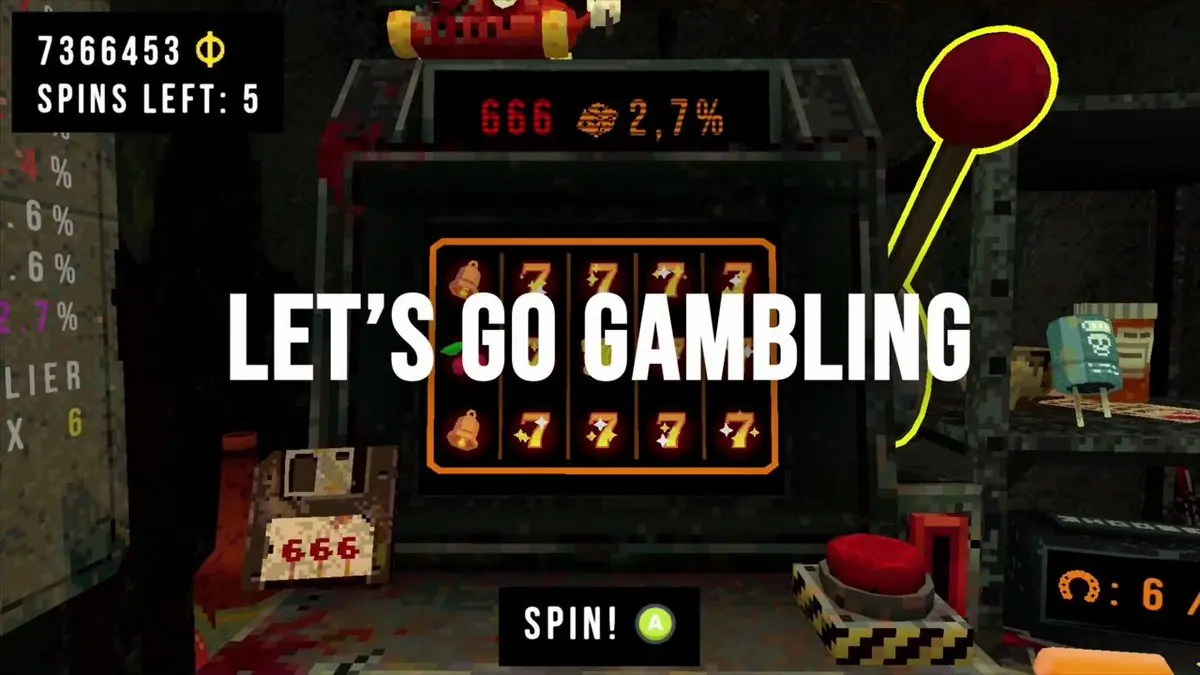
In an era where DLC announcements typically follow months of careful marketing campaigns, PanikArcade decided to throw the playbook out the window. The indie developer surprised CloverPit fans today with the immediate launch of ‘Unholy Fusion’ DLC, complete with fusion mechanics and a new ending. Within hours, the announcement had racked up over 3,500 likes and nearly 500 retweets — impressive numbers that suggest the surprise drop strategy might be onto something.
The community response has been notably enthusiastic, with fans expressing genuine excitement about the unexpected content drop. The timing feels particularly strategic, hitting during the mid-week gaming doldrums when players are hunting for something fresh to dive into.
“🚨SURPRISE DLC launch!!🚨
- CloverPit “Unholy Fusion” is OUT NOW
- Merge charms in the surgery machine to create FUSION CHARMS, mega combo time!!
- 30 fusion charms, 11 new charms, 7 memory cards
- a new ending??
PLUS: Free Online Leaderboards Update for the base game out now!” — @PanikArcade
The content breakdown reveals a developer that understands its player base. Thirty fusion charms suggest substantial new gameplay possibilities, while the mysterious “new ending” teaser demonstrates PanikArcade’s grasp of community psychology — nothing drives engagement quite like an unanswered question mark.
Meanwhile, the simultaneous release of free online leaderboards for the base game shows smart business thinking. By giving existing players something valuable at no cost, PanikArcade creates goodwill while potentially drawing back lapsed players who might then purchase the DLC. It’s a strategy that larger studios often overlook in their rush to monetize every update.
The fusion mechanic itself represents an interesting evolution of CloverPit’s core charm system. Rather than simply adding more standalone content, PanikArcade has introduced a meta-layer that transforms existing items into new combinations. This approach extends the value of both old and new content — a clever design decision that indie developers with limited art budgets would be wise to study.
Historically, surprise launches carry significant risk. Without pre-order campaigns or marketing buildup, developers forfeit the opportunity to gauge demand and build anticipation. However, CloverPit’s established player base appears to have provided sufficient foundation for this gamble. The immediate social media response suggests PanikArcade correctly read their community’s appetite for unexpected content.
The broader indie landscape has been experimenting with unconventional release strategies as traditional marketing channels become increasingly saturated. Where AAA studios rely on massive marketing spends and carefully orchestrated reveal cycles, indie developers like PanikArcade can leverage their closer community relationships for more nimble approaches. The 3,500+ likes within hours of announcement demonstrate the power of this direct-to-fan communication model.
Notably, the decision to bundle a free base game update with paid DLC reflects thoughtful player retention strategy. Online leaderboards add competitive longevity to CloverPit while creating a shared experience that benefits all players, not just those willing to purchase additional content. This inclusive approach builds stronger community loyalty than purely transactional DLC models.
The timing also deserves analysis. April typically represents a quieter period in the gaming calendar, positioned between the spring rush of delayed winter releases and the summer preview season. For an indie title, this timing provides less competition for attention while capitalizing on players seeking fresh experiences during the content drought.
The surgical fusion mechanic promises to reshape CloverPit’s meta-game in interesting ways. By requiring players to literally combine existing charms through the surgery machine, PanikArcade has created a system that encourages experimentation with previously overlooked items. This design philosophy extends gameplay value without simply adding more inventory bloat.
Looking ahead, PanikArcade’s successful surprise launch establishes a valuable precedent for future content releases. The strong community response provides data supporting more agile release schedules, potentially leading to smaller, more frequent content drops rather than traditional large expansions. This approach could help maintain consistent player engagement while reducing development pressure.
The mysterious new ending also suggests PanikArcade isn’t finished with CloverPit’s narrative possibilities. Whether this represents closure or setup for future content remains unclear, but the developer’s willingness to add story content demonstrates commitment to the game beyond pure mechanical expansion.
For other indie developers, CloverPit’s success offers a case study in community-driven marketing. The immediate engagement numbers prove that established player bases can generate significant organic reach when properly surprised and delighted. However, this strategy requires the foundation of genuine community trust — something that can’t be manufactured overnight.