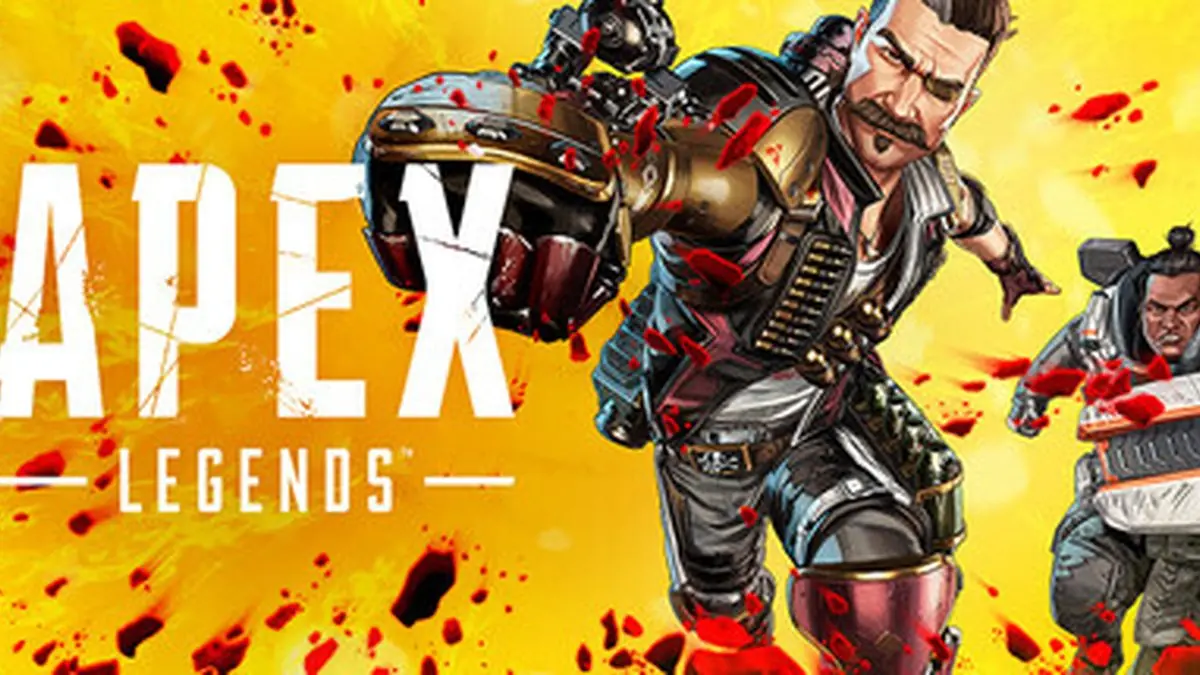
Picture this: you’re ready for another drop into the Apex Games, controller in hand, heart racing for that first ring closure. You hit matchmake and… nothing. The lobby sits empty, searching endlessly for teammates who’ll never come. That’s exactly what happened to Apex Legends players earlier today.
For a few tense hours on April 2nd, the Outlands went quiet. Players across all platforms found themselves locked out of multiplayer matches, staring at loading screens that refused to load. In a game where every second counts and the competition never sleeps, even a short outage feels like an eternity.
The silence didn’t last long. Respawn Entertainment’s community team jumped on the issue fast, with official word coming through their communication channels:
“Apex Legends: Latest Update – 04/2/2026 We’re aware that players are unable to matchmake and get into multiplayer games at the moment. We’re looking at the issue and will provide an update when possible. This issue is now resolved and players can get back into games as usual. Thanks for your patience!” — @RSPN_karlee
What makes this story worth telling isn’t just the technical hiccup – it’s how quickly the response came. In the world of live service games, communication is everything. Players have been burned before by radio silence during outages, left wondering if the servers died or if they’re just having connection issues on their end.
For Apex players, this brief disconnect probably felt familiar. The game has built a devoted following partly because of its tight gunplay and character-driven storytelling, but also because Respawn has generally been good about keeping the servers stable. When you’re invested in climbing ranked ladders or perfecting your movement with Pathfinder, every minute of downtime matters.
Think about what these moments reveal about modern gaming culture. We’ve built communities around these digital spaces – the Apex Games aren’t just a fictional battle royale in the lore, they’re where real friendships form and rivalries ignite. When the servers go down, it’s not just a game that’s broken, it’s a meeting place that’s suddenly closed.
The quick fix also shows how much live service games have evolved. Five years ago, a matchmaking issue might have lasted hours or even a full day while developers scrambled to identify the problem. Today, with better monitoring and faster response teams, these problems get spotted and solved much faster.
This isn’t just about Apex Legends either. Every major multiplayer game faces these challenges – from Fortnite to Call of Duty to Valorant. The difference is in how studios handle them. Clear communication, fast fixes, and honest updates build the kind of trust that keeps players coming back even after technical issues.
For Respawn, today was a small test of their crisis response, and they passed it cleanly. No drama, no extended downtime, just quick acknowledgment and a faster fix. In a gaming landscape where players can easily jump to another battle royale, that kind of reliability matters more than any new weapon or character buff.
The Apex community is back to business now – dropping hot, chasing kills, and arguing about which Legend needs a nerf next. But moments like these remind us how much we depend on these virtual worlds working perfectly, and how much we notice when they don’t.
Looking ahead, this quick resolution sets a good precedent for future issues. Players can feel confident that if something breaks, Respawn will communicate fast and fix it faster. That’s the kind of developer relationship that keeps a game thriving years after launch.
As for what’s next, players can expect the usual grind to continue without missing a beat. The servers are stable, the Apex Games are running, and somewhere in Kings Canyon, someone just landed their first win of the day. In the end, that’s exactly how these stories should end – with players back where they belong, in the game.