Picture this: it’s 2001, the world is still getting used to the internet, and Nintendo drops this weird little game where you live in a town full of talking animals. Fast forward 25 years, and Animal Crossing has basically become the blueprint for every virtual world we inhabit today. That’s right — Tom Nook’s real estate empire is officially a quarter-century old.
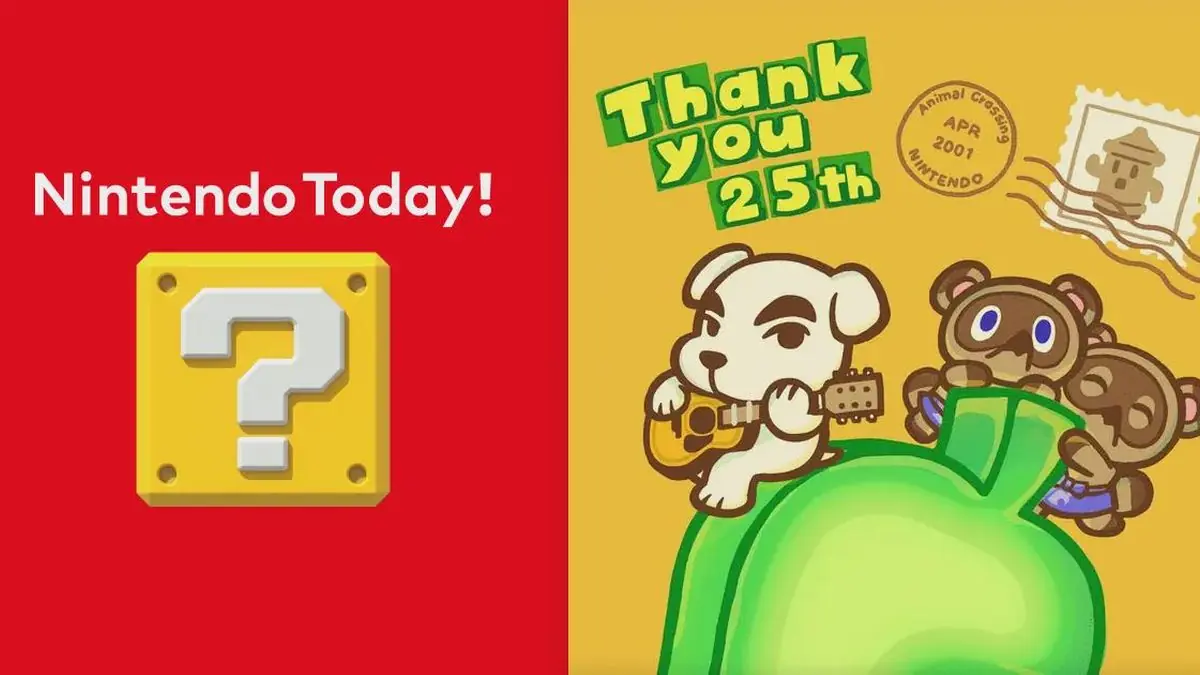
Nintendo just dropped the news that Animal Crossing is celebrating its 25th anniversary in 2026, and honestly? It feels like we should be throwing a bigger party for the franchise that taught us how to build digital communities before we even knew we needed them.
“Nintendo Today – Animal Crossing 25th Anniversary post” — u/Amiibofan101 on r/NintendoSwitch
The timing couldn’t be more perfect. In a world where virtual spaces feel more real than ever, Animal Crossing was the quiet pioneer that showed us what digital life could look like. While other games were about saving the world or conquering galaxies, Animal Crossing said “Hey, what if you just… existed somewhere nice?”
Think about it — this franchise basically invented the concept of a persistent virtual world where your actions matter over real time. You plant a tree today, it grows tomorrow. Miss a few days, and your villagers notice. It’s like the most wholesome time travel experiment ever conducted, where instead of changing history, you’re just watering flowers and catching bugs.
From its humble beginnings on the N64 in Japan to becoming a global Switch phenomenon, Animal Crossing has been the steady heartbeat of Nintendo’s catalog. It’s never been the loudest game in the room, but it’s always been the one you keep coming back to. Like that perfect sci-fi novel you reread every few years because the world-building just hits different.
The franchise has quietly shaped how we think about virtual spaces. Before social media made us all digital citizens, Tom Nook was teaching us about online communities, virtual economies, and the weird joy of decorating a digital space that somehow feels more real than your actual bedroom.
New Horizons proved that even in 2020, when the whole world went virtual overnight, Animal Crossing was already light-years ahead. While everyone scrambled to figure out how to socialize digitally, AC players were already hosting virtual birthday parties and building dream islands. It’s like Nintendo had been preparing us for the future this whole time.
The evolution has been wild to watch. We’ve gone from basic pixel art villagers to hyper-detailed island paradises that look like concept art for the perfect post-climate-change Earth. The customization options now feel like you’re wielding some kind of reality-altering technology — which, let’s be real, you basically are.
What makes Animal Crossing special isn’t just the gameplay — it’s the way it handles time and community. It’s a game that exists whether you’re playing it or not, like some kind of pocket dimension that keeps spinning even when you close your Switch. Your virtual neighbors have lives, schedules, and personalities that feel genuinely real.
The franchise has also been a masterclass in world-building without conflict. In a gaming landscape dominated by battles, competitions, and endless progression systems, Animal Crossing said “What if nothing bad ever happened and everyone was just nice to each other?” It’s the gaming equivalent of Star Trek’s utopian future — peaceful, collaborative, and focused on exploration rather than destruction.
So what comes next for our beloved digital utopia? Nintendo’s acknowledgment of the anniversary feels like more than just a nostalgic nod. In an era where virtual worlds are becoming increasingly important, Animal Crossing sits perfectly positioned to lead the next evolution of digital spaces.
We’re looking at a future where the lines between physical and virtual continue to blur. Animal Crossing has always been ahead of that curve, creating spaces that feel real because they’re built on genuine community and creativity rather than just flashy graphics or complex mechanics.
With 25 years of evolution behind it and the Switch still going strong, don’t be surprised if Nintendo has something special cooking for this anniversary year. Whether it’s new content for New Horizons or hints about what’s next, Animal Crossing has proven it’s not just a game franchise — it’s a glimpse into the future of how we’ll live, create, and connect in digital spaces.
Here’s to 25 more years of Tom Nook’s capitalism, Isabelle’s endless enthusiasm, and virtual worlds that somehow feel more welcoming than the real one.