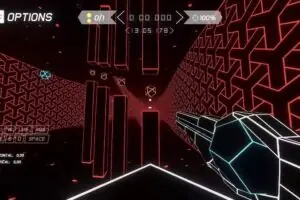
Most indie developers start with Pong clones and call it a day. Ethan just dropped his first game and immediately announced plans to build a VR dungeon crawler that simulates actual pain. No joke – he wants you to feel those goblin blade slices cutting your achilles tendon.
Wizards and Warlocks hit Steam today, marking the end of a brutal 6-month development marathon that taught this first-time developer exactly how hard game creation really is. But instead of taking a victory lap, Ethan’s already plotting his next move: a VR experience so intense it makes Dark Souls look like a meditation app.
“Wizards and Warlocks is out! Hope you enjoy my first game! Most of the development time (6mo, Oct – Mar) was spent learning novel things, and 80% of the time was spent trying to make multiplayer work… My objective was to learn a game engine and start pumping out my ideas. I’ve learned so much and gained insane confidence, even though I suck and have made nothing but trash.” — Ethan on Steam
That’s the kind of brutal honesty you don’t usually see from developers. While most studios pump out marketing speak about “passionate teams” and “innovative experiences,” Ethan straight-up admits his first game is trash – and somehow that makes his ambitious VR vision way more compelling.
The numbers tell the real story here. Six months sounds reasonable until you realize 80% of that time went to just making multiplayer work. That’s roughly five months of banging his head against networking code, debugging connection issues, and probably questioning every life choice that led to game development. Testing with just a laptop, desktop, and “a few friends across the US” isn’t exactly AAA quality assurance, but it’s the scrappy reality of solo development.
Multiplayer functionality is where indie dreams go to die. It’s one thing to make a character jump around a level – it’s another beast entirely to sync that across multiple machines without everything exploding. The fact that Ethan powered through those months of technical hell shows serious commitment. Or serious stubbornness. Probably both.
But here’s where things get wild. Instead of polishing his first release or taking a break, Ethan’s mapping out a development roadmap that would make Kojima jealous. April brings a C++ text-based combat game built from scratch. September? That’s when the VR madness begins.
His vision for this VR dungeon crawler goes way beyond haptic feedback and fancy graphics. We’re talking full sensory immersion – pain simulation, scent systems, AI enemies that actually scare you. Dragons you genuinely fear waking up. Goblins smart enough to target your weak spots before you even know they’re there.
That level of ambition from a developer who just finished his first game is either inspiring or completely insane. Maybe both. The VR market is littered with failed experiments and half-baked “revolutionary” experiences. Creating true immersion isn’t just about better hardware – it’s about understanding human psychology, fear responses, and how our brains process virtual threats.
The pain simulation aspect alone opens up massive technical and ethical questions. How do you implement physical feedback without crossing into actual harm? What happens when players have different pain tolerances? Will this create the first M-rated VR experience that actually means something?
But here’s the thing – Ethan’s not promising revolutionary VR in six months. He’s giving himself until September and being honest about the learning curve ahead. That timeline suggests he understands the scope of what he’s attempting, even if the end goal sounds impossible.
The indie game space needs more developers willing to chase impossible ideas. Too many solo devs play it safe with pixel art platformers or farming sims. Ethan’s betting everything on creating something genuinely new, even if it means failing spectacularly in front of everyone.
His reference to Grimgar of Fantasy and Ash hints at the tone he’s aiming for – that anime doesn’t sugarcoat fantasy adventure. Characters get hurt, scared, and traumatized. Death feels real because pain feels real. Translating that psychological weight into VR could create gaming experiences we’ve never seen before.
Of course, there’s a decent chance this ambitious roadmap crashes and burns. VR development is notoriously difficult, and adding experimental pain simulation makes it exponentially harder. But even if Ethan only delivers half of what he’s promising, that’s still more innovation than most studios attempt in years.
Wizards and Warlocks might be “trash” in its creator’s eyes, but it’s the foundation for something potentially game-changing. April’s C++ project will test his programming fundamentals. September’s VR launch will either revolutionize immersive gaming or become a cautionary tale about indie developer ambition.
Either way, we’ll be watching. The gaming industry needs more developers crazy enough to chase impossible dreams, even if they crash and burn trying.