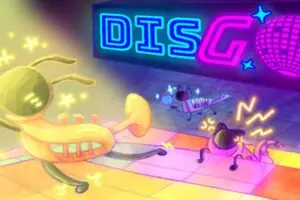
Spring has officially sprung on Steam, and you know what that means — it’s time for our wallets to cry once again. The Steam Spring Sale 2026 went live today, bringing with it the familiar mix of incredible deals and the inevitable guilt that comes with adding yet another dozen games to our ever-growing backlogs.
The gaming community wasted no time jumping on the news. Over on Reddit’s r/Steam community, discussions about the sale are already generating massive engagement, with one post alone racking up over 17,000 interactions from excited (and slightly panicked) gamers.
“To whomsoever it may concern this Spring Sale” — u/Kingly_Lion on r/Steam
The post’s formal tone perfectly captures that moment we all know too well — the internal debate between fiscal responsibility and those sweet, sweet discounts calling our names. It’s become something of a tradition for Steam users to dramatically announce their financial doom whenever these sales drop.
Across social media, we’re seeing the usual wave of excitement as gamers discover their wishlisted titles finally hitting those magical price points. There’s nothing quite like that rush of seeing a $60 game drop to $15, even if you know deep down you probably won’t play it for another six months. But hey, it’s an investment in future entertainment, right?
Of course, with great sales come great concerns about our spending habits. The Steam Spring Sale has become infamous for turning even the most budget-conscious gamers into impulse buyers. We’ve all been there — you log in just to check one specific game’s price and somehow end up with seven new titles in your cart.
The timing couldn’t be more dangerous for our bank accounts. Spring breaks are wrapping up for many students, tax refunds are hitting accounts, and the weather’s getting nicer — which ironically makes us want to stay inside and game even more. It’s like Steam knows exactly when we’re most vulnerable to their marketing magic.
Social media feeds are filling up with screenshots of overcrowded shopping carts and jokes about eating ramen for the next month. The memes practically write themselves at this point. We’ve turned financial irresponsibility into a shared gaming culture experience, and honestly? That’s kind of beautiful in its own way.
But let’s step back and look at the bigger picture here. Steam’s seasonal sales have become more than just discount events — they’re cultural moments that bring the PC gaming community together. These sales represent Steam’s continued dominance in the digital distribution space, and they show just how much power Valve has to drive gaming conversations.
The Spring Sale also highlights how seasonal gaming patterns have evolved. Spring used to be considered a slow period for game releases, but now it’s become prime time for clearing backlogs and trying new genres. Developers and publishers have learned to time their sales strategically, knowing that players are looking for fresh experiences as winter gaming sessions wind down.
What’s particularly interesting about this year’s sale is how it reflects the current state of PC gaming. With more people working from home and gaming becoming even more mainstream, these sales events reach a broader audience than ever before. We’re not just talking about hardcore enthusiasts anymore — casual gamers, parents, and even grandparents are getting in on the action.
The psychological aspect of these sales is fascinating too. Steam has mastered the art of creating urgency and excitement around discounts. Limited-time offers, flash sales, and discovery queues all work together to keep us engaged and spending. It’s retail psychology at its finest, and we’re all willing participants in this beautifully orchestrated chaos.
For many of us, these sales have become a form of entertainment in themselves. Browsing through discounted games, reading reviews, and debating purchases with friends has become as much fun as actually playing the games. It’s social gaming before we even hit the play button.
So what’s next for this Spring Sale? Historically, Steam’s seasonal sales run for about two weeks, so we’ve got plenty of time to make decisions we’ll probably regret later. Expect to see daily deals rotating through different categories, publisher-specific discounts, and maybe even some surprise flash sales to keep things interesting.
If you’re planning to dive in, remember the golden rule: check your backlog first. That game might be 75% off, but if you’ve already got fifty unplayed titles sitting there, maybe it can wait until the summer sale. Your wallet will thank you, even if your inner gamer protests.
Until then, happy hunting, and may your discounts be deep and your buyer’s remorse minimal.