There’s something genuinely charming about seeing a game in its underwear. While big studios polish every screenshot until it gleams, indie developers sometimes let us peek behind the curtain. That’s exactly what’s happening with Slay the Spire 2, and fans are absolutely eating it up.
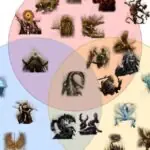
The beloved deck-building roguelike’s sequel is currently rocking some gloriously rough MS Paint placeholder assets during development. And instead of being put off by the amateur hour artwork, the community is falling head over heels for it.
“Genuinely loving the MS Paint placeholder assets in Slay the Spire 2.” — u/BuyMyBeans on r/gaming
This reaction perfectly captures why so many players are drawn to indie games in the first place. There’s an authenticity here that you just don’t get from corporate game development. When a small team shows you their messy work-in-progress, complete with hastily drawn stick figures and rough sketches, it feels real. It feels human.
The original Slay the Spire became a runaway hit precisely because it focused on substance over flash. Sure, the final art was polished and beautiful, but the core gameplay loop was so addictive that players would have kept coming back even if it looked like a kindergarten art project.
Of course, not everyone might share this enthusiasm for rough development footage. Some players prefer to see games only when they’re ready for prime time. There’s a valid argument that showing unfinished work can set wrong expectations or make a game look less professional than it actually is.
Then there’s the pressure factor. When developers share their work-in-progress, they’re opening themselves up to feedback and criticism at a vulnerable stage. Every placeholder asset and rough animation becomes a potential target for complaints about how the game “looks worse” than the original.
But that’s missing the point entirely. These MS Paint assets aren’t the final product – they’re just functional placeholders that let the developers test mechanics and gameplay systems. It’s like getting upset that a house’s foundation doesn’t have wallpaper yet.
The humor isn’t lost on anyone either. There’s something hilariously endearing about seeing a sophisticated card game running on what looks like artwork from a 90s computer lab. It’s the digital equivalent of a rough draft, complete with crossed-out words and margin notes.
This kind of development transparency is becoming a hallmark of modern indie gaming. Studios like MegaCrit (the team behind Slay the Spire) understand that their audience appreciates honesty over marketing polish. They’re not trying to wow anyone with flashy trailers or carefully orchestrated gameplay reveals.
Instead, they’re building trust through transparency. When a developer shows you their messy process, they’re saying “we respect you enough to be real with you.” It’s the opposite of the smoke and mirrors that often surround big-budget game announcements.
This approach also helps set realistic expectations. Nobody’s going to be shocked if Slay the Spire 2 takes time to reach its final art style, because they’ve seen the journey from the beginning. There’s less room for disappointment when everyone knows exactly where things stand.
The indie gaming community has always been built on this kind of authentic connection between developers and players. It’s not uncommon to see small teams sharing their struggles, celebrating their breakthroughs, and asking for feedback throughout development. Social media has made these relationships even stronger.
For Slay the Spire 2, this early glimpse suggests the development is progressing well, even if the art isn’t ready yet. The fact that they have functional placeholder assets means the core systems are being built and tested. That’s actually the most important part of game development – everything else is just window dressing.
The sequel has big shoes to fill. The original Slay the Spire practically defined the modern deck-building roguelike genre and inspired countless imitators. But if this early community reaction is any indication, the developers are on the right track.
As development continues, we can expect to see those MS Paint placeholders gradually replaced with proper artwork. But honestly? Part of me hopes they keep at least one as an easter egg. There’s something special about these humble beginnings that deserves to be remembered.
For now, Slay the Spire 2 doesn’t have a firm release date, and that’s probably for the best. Good indie games are done when they’re done, not when marketing deadlines demand it. The MS Paint phase won’t last forever, but it’s giving us a wonderful glimpse into how great games really get made – one rough sketch at a time.