NVIDIA just pulled off one hell of a corporate blunder. The graphics giant dropped their DLSS 5 reveal with all the fanfare you’d expect, showcasing games with their shiny new generative AI tech. There’s just one problem — they forgot to tell the developers whose games they were showing off.
That’s right. The studios featured in NVIDIA’s big moment found out about their starring role at exactly the same time you did. No heads up, no courtesy call, no “hey, we’re about to use your game to sell our new tech to millions of people.” Just radio silence followed by surprise.
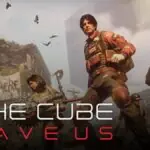
“Even the studios highlighted in NVIDIA’s DLSS 5 reveal were shocked by the generative AI showcase — game developers ‘found out at the same time as the public’. Next time, try asking. I don’t bite… unless I have to. ~Leon S Kennedy” — u/Puzzleheaded_irl on r/gaming
The Leon Kennedy quote is perfect here. Because really, NVIDIA — it’s not that hard to pick up the phone.
DLSS 5 itself looks impressive. The generative AI features promise to push frame generation to new heights, potentially giving gamers even more performance headroom for demanding titles. Frame generation has been a game-changer since DLSS 3, and this next iteration seems ready to take things further.
But the tech isn’t the story here. The story is how NVIDIA managed to turn what should have been a celebration into an awkward situation for everyone involved.
Imagine being a developer and waking up to see your game plastered across NVIDIA’s marketing materials. No warning, no collaboration, no chance to prepare your own messaging. It’s like showing up to a party and finding out you’re the entertainment — except nobody told you that part.
This isn’t just bad manners. It’s bad business. Game developers are NVIDIA’s partners, not their props. These studios invest huge amounts of time and money implementing DLSS support. The least they deserve is a heads up when their work becomes the centerpiece of a major tech announcement.
The gaming community picked up on this immediately. The lack of communication has become almost as big a talking point as the tech itself. When your marketing strategy becomes the controversy, you’ve missed the mark.
What makes this worse is how easily it could have been avoided. A simple email. A quick call. Maybe even a formal partnership announcement where developers could share in the spotlight instead of being surprised by it.
The bigger picture here is about respect and relationships. NVIDIA dominates the high-end graphics market, and with that power comes responsibility. Developers need to trust that their GPU partner won’t use their work without permission or warning.
This kind of communication breakdown can damage those relationships. Studios might think twice about prioritizing DLSS implementation if they can’t trust how NVIDIA will use that partnership. Some developers might even start looking more seriously at AMD’s competing technologies.
There’s also the precedent this sets. If NVIDIA thinks it’s okay to showcase games without developer input, what’s next? Will they start making claims about performance or features without checking with the studios first? That road leads to bigger problems.
DLSS has been one of NVIDIA’s biggest success stories because it genuinely helps both gamers and developers. Gamers get better performance, developers get to push visual boundaries further. But that only works if everyone’s on the same team.
The irony is that DLSS 5 probably would have gotten just as much attention with proper developer collaboration. Maybe even more, because you’d have studio heads and developers talking excitedly about the new features instead of explaining how they found out about the showcase.
Moving forward, NVIDIA needs to fix this communication gap fast. Developers are already talking about this behind the scenes. The company needs to reach out, acknowledge the mistake, and make sure it doesn’t happen again.
For DLSS 5 adoption, this stumble probably won’t kill momentum. The tech is too good and NVIDIA’s market position too strong. But it definitely makes things more complicated than they needed to be.
Gamers should still be excited about DLSS 5. The generative AI improvements sound promising, and anything that pushes performance forward is worth celebrating. Just remember that behind every great graphics technology are developers who deserve better communication than this.
The lesson here is simple: respect your partners. NVIDIA has the tech to change gaming, but partnerships matter more than pixels. Next time, maybe ask first. The developers really don’t bite — unless they have to.