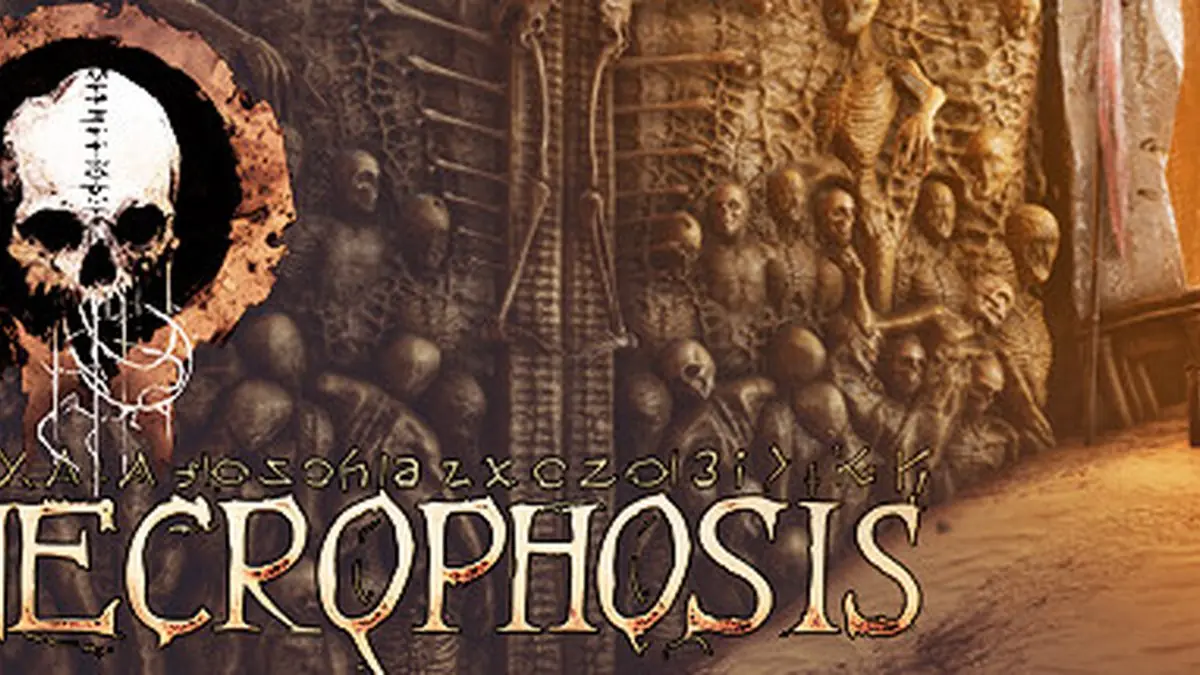
In an industry where horror games typically arm players with shotguns and chainsaws, Dragonis Games is taking the opposite approach. Necrophosis: Full Consciousness, launching May 28, 2026 on PS5 and Xbox Series X|S, deliberately strips away every weapon and forces players into pure vulnerability.
This design philosophy represents a fascinating counterpoint to the action-horror hybrid that has dominated the genre since Resident Evil 4. Meanwhile, the game’s complete edition packages both the base experience and its Subconsciousness DLC expansion, marking the title’s first appearance on major consoles after its PC origins.
The weaponless approach isn’t mere gimmickry, according to founder Ares Dragonis. “Most horror games give you a weapon, a gun, an axe, something to fight back with. Necrophosis doesn’t. That’s intentional. This isn’t about killing or surviving. It’s about facing entities you cannot fully understand, exploring worlds your mind could never imagine.” This philosophy echoes the pure terror of classics like Amnesia: The Dark Descent, where helplessness becomes the primary gameplay mechanic.
Notably, the game’s visual foundation draws heavily from Polish artist Zdzisław Beksiński, whose surreal paintings depicted decay and beauty in haunting harmony. This artistic influence places Necrophosis in rare company – few games attempt to translate fine art into interactive horror, and fewer still succeed in maintaining that aesthetic coherence throughout extended gameplay.
Dragonis Games previously demonstrated their atmospheric capabilities with The Shore, which itself served as something of a proof of concept for their approach to cosmic horror. The studio’s commitment to this particular aesthetic vision suggests a deliberate brand positioning within the broader horror landscape, where most developers chase either jump scares or action sequences.
The timing of this console launch proves particularly interesting from an industry perspective. Horror games have experienced renewed mainstream attention following successes like Phasmophobia and The Dark Pictures Anthology, yet most prominent releases still default to combat mechanics as player empowerment tools. Necrophosis represents a smaller studio’s willingness to reject that formula entirely.
Meanwhile, the complete edition’s inclusion of the Subconsciousness DLC demonstrates how smaller developers can maximize console debut value. Rather than porting the base game and selling expansions separately, this approach mirrors successful indie strategies like Hollow Knight’s Voidheart Edition.
The physical PS5 edition’s inclusion of The Shore as a bonus title further reinforces Dragonis Games’ intention to establish their cosmic horror credentials with console audiences. This bundling strategy allows newcomers to experience the studio’s evolutionary approach across two connected works, essentially providing a retrospective of their design philosophy.
From a broader market perspective, Necrophosis arrives during a period where horror games increasingly compete on production values rather than innovation. Big-budget entries like The Callisto Protocol focused heavily on visual fidelity and combat systems, while smaller studios have found success in specific niches – whether that’s multiplayer ghost hunting or narrative-driven psychological terror.
The Beksiński aesthetic influence positions the game within a specific artistic tradition that extends beyond gaming. His work influenced everything from metal album covers to film production design, making Necrophosis part of a larger cultural conversation about how surreal art translates across mediums. This artistic grounding provides the game with cultural credibility that purely gameplay-focused horror titles often lack.
Notably, the weaponless design creates interesting implications for controller adaptation. Console players expect different interaction models than PC audiences, and translating a mouse-and-keyboard exploration experience to gamepad controls requires careful consideration of movement precision and interface design.
Looking ahead, Necrophosis: Full Consciousness could serve as a test case for whether console audiences will embrace pure psychological horror without action elements. The game’s May 28 release date positions it strategically ahead of summer gaming lulls, when experimental titles often find greater audience attention.
The success or failure of this approach may influence whether other developers pursue similarly uncompromising artistic visions. Meanwhile, Dragonis Games’ willingness to maintain their specific aesthetic across multiple projects suggests long-term commitment to this particular corner of the horror market, rather than chasing broader commercial trends.