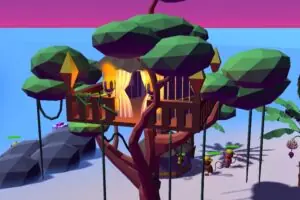
Sometimes the best stories are about coming home. Crusaders Quest: Hero Town isn’t just another sequel or port — it’s a homecoming years in the making.
The beloved mobile RPG that captured hearts with its pixel art charm and strategic combat has found new life on Steam. CQ LABS didn’t just move their game to a new platform. They reimagined what it could become when freed from the constraints of mobile gaming.
The official announcement came with all the warmth of a long-awaited reunion:
“Hello, Commanders! Crusaders Quest is back as Crusaders Quest : Hero Town. We kept the promise we made during Crusaders Quest : mini — the commitment to present Crusaders Quest in an even more improved form — and worked hard to prepare the town of Hasla for your return.” — @jungheon2
There’s something deeply satisfying about that phrase: “the town of Hasla.” It suggests this isn’t just a game world — it’s a place with history, with stories waiting to unfold.
This is a tale of persistence paying off. The original Crusaders Quest carved out its own space in the crowded mobile RPG market through sheer personality. Its pixel heroes weren’t just stat blocks — they were characters with distinct animations, unique abilities, and that indefinable quality that makes you actually care about their digital wellbeing.
Now Hero Town expands on that foundation. The transition from mobile to desktop isn’t just about bigger screens or better controls. It’s about giving these characters room to breathe, space to exist in a world that feels more permanent than something you swipe through during your commute.
The numbers tell part of the story — over 100 heroes waiting to join your cause. But the real narrative hook lies in what Hero Town adds: the ability to build and customize your own corner of Hasla. This isn’t just about collecting heroes anymore. It’s about creating a home for them.
Town customization in RPGs often feels like an afterthought, a way to spend excess resources between battles. But when done right, it becomes a form of storytelling. Every decoration you place, every building you upgrade, tells the story of your particular version of Hasla. It’s worldbuilding in the most literal sense.
The pixel art style that defined the original translates beautifully to desktop gaming. There’s a timeless quality to good pixel art — it doesn’t age the way photorealistic graphics do. These heroes will look just as charming five years from now as they do today.
CQ LABS is sweetening the homecoming with launch promotions that actually make sense. The 20% launch discount runs for two weeks, giving curious players time to discover the game without feeling rushed. The 10% bundle discount with Mini Cozy Room: Lo-Fi creates an interesting pairing — two games that celebrate the beauty of pixel art and cozy gaming experiences.
That bundle deal reveals something about CQ LABS’ vision. They’re not just chasing the mobile-to-desktop migration trend. They’re building an ecosystem around the idea that games can be comfortable spaces, digital hearths where players return not just for challenge or progression, but for the simple pleasure of existing in a lovingly crafted world.
The desktop platform opens up possibilities that mobile couldn’t accommodate. Longer play sessions, more complex interfaces, the ability to truly lose yourself in the world of Hasla without battery life concerns or incoming calls interrupting the experience.
For longtime fans, Hero Town represents vindication — proof that their investment in the original game’s world and characters wasn’t misplaced. For newcomers, it’s an entry point into a universe that’s been refined through years of iteration and community feedback.
The real test will be how well Hero Town balances nostalgia with innovation. The best revivals don’t just recreate what came before — they evolve it, building on the foundation while reaching toward something new.
Crusaders Quest: Hero Town is available now on Steam, carrying with it the hopes of a development team that refused to let their creation fade into mobile gaming history. Sometimes coming home means finding a better version of the place you left behind.