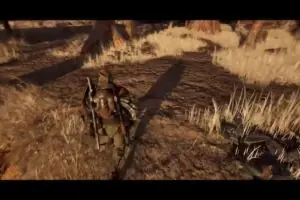
The gates have slammed shut. In the digital realm where gaming journalists usually prowl for early access and exclusive previews, an eerie silence has descended around one of this year’s most anticipated titles. Crimson Desert, the sprawling action-RPG that promised to redefine open-world adventure, has become a fortress sealed against the very voices meant to guide players through its mysteries.
The first cracks in the wall appeared when gaming sites started reporting something unsettling. Access was being cut. Reviews were being blocked. The usual dance between publishers and press had turned into a cold shoulder.
“Crimson Desert PS5 reviews unlikely, with sites blocked from access before release date” — Turbostrider27 on r/PS5
This isn’t just another delayed review embargo. This feels different. More deliberate. Like watching storm clouds gather before a boss fight you’re not sure you’re ready for.
For gaming journalists, this kind of lockout is like being denied entry to a sacred temple. These writers live to dive into worlds before anyone else, to test the waters and report back to the community. When that access gets severed, it sends ripples through the entire ecosystem.
The timing makes it worse. With Crimson Desert’s release date approaching fast, sites that usually have weeks to craft detailed reviews are left scrambling. Some might not get any hands-on time at all. Others are probably wondering if this is punishment for past coverage or just corporate strategy gone wrong.
This puts a huge burden on smaller content creators and streamers. They’ll likely be the first voices players hear about the game. That’s not necessarily bad, but it shifts the power dynamic in ways that make some people uncomfortable.
For players, this creates a nightmare scenario. Imagine standing at the edge of a cliff, ready to make a $70 leap of faith, but someone just blindfolded you. That’s what buying a game without proper reviews feels like in 2026.
Consumers depend on professional reviews to cut through marketing hype. These critics play games for hours, test systems, find bugs, and deliver honest takes about what works and what doesn’t. When that safety net disappears, players are left to navigate purely on trailers and social media buzz.
The really scary part? This might become the new normal. If publishers can control the narrative by limiting access, why wouldn’t they? It’s like having the power to silence critics until after opening night.
Some players don’t mind. They prefer discovering games fresh, without any outside opinions coloring their experience. But many others see this as a red flag waving in the wind, warning of storms ahead.
The gaming industry has been wrestling with review culture for years. Publishers want control over their message. Critics want independence to do their jobs. Players want honest information to make smart choices. These three forces don’t always align.
Review embargos used to be simple agreements about timing. Publishers would say “don’t publish until this date” and everyone would play by those rules. But complete access denial? That’s a different beast entirely.
This strategy often backfires. When reviews are blocked or delayed, it usually makes people more suspicious, not less. Players start wondering what the publisher is trying to hide. Social media fills with speculation and worry.
The really wild part is how this affects the game’s legacy. Great games usually benefit from professional coverage. Reviews create buzz, generate discussion, and help worthy titles find their audience. By blocking that process, publishers might be shooting themselves in the foot.
Some of gaming’s biggest success stories happened because critics championed them early. Word-of-mouth marketing is powerful, but professional reviews still carry weight, especially for big-budget releases like Crimson Desert.
The silence around this game feels heavier because of what it represents. This isn’t some indie passion project or experimental title. This is supposed to be a major release, the kind of game that should be confident enough to face scrutiny.
As we move closer to launch day, the pressure keeps building. Will any sites manage to break through the wall? Will day-one reviews appear from somewhere unexpected? Or will players be forced to navigate this new world completely blind?
One thing’s certain: this controversy has already become part of Crimson Desert’s story. Whether that helps or hurts the game remains to be seen. But in an industry built on transparency and community trust, walls of silence rarely lead anywhere good.
The next few weeks will reveal whether this was calculated strategy or panic response. Either way, players deserve better than darkness before the dawn.