American McGee is back, and he’s bringing Alice with him.
The creator of the cult classic Alice: Madness Returns just dropped some huge news — he’s working on a spiritual successor to his twisted take on Wonderland. Even better? He’s not worried about EA coming after him with lawyers.
“Alice Madness Returns creator American McGee is making a spiritual successor, and he’s not worried about EA: ‘There’s a kind of obvious overlap, but not one that gets us in trouble with the lawyers'” — u/Tenith on r/pcgaming
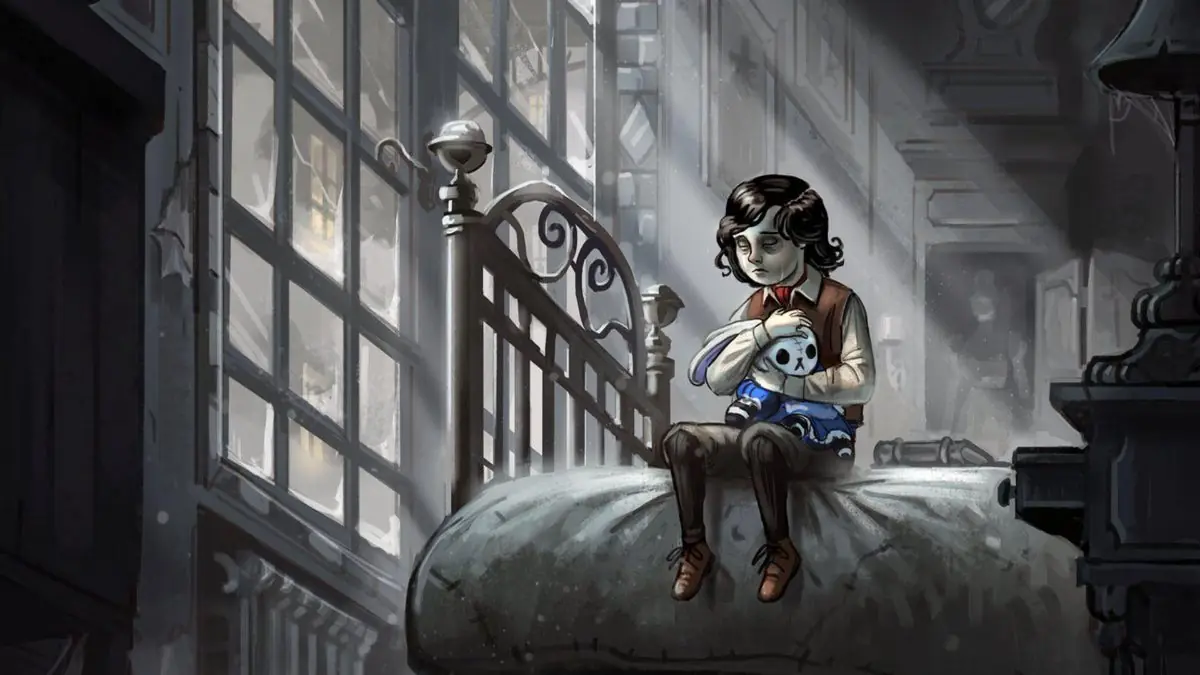
This is the news Alice fans have been waiting for since 2011. McGee’s dark reimagining of Lewis Carroll’s classic turned Alice into a knife-wielding survivor fighting through a nightmarish Wonderland. The game became a cult hit for its gothic art style, twisted storytelling, and psychological themes.
For those who missed it the first time around, Alice: Madness Returns was the sequel to McGee’s original American McGee’s Alice from 2000. Both games followed an older Alice dealing with trauma and guilt through surreal adventures in a corrupted Wonderland. Think Tim Burton meets psychological horror, with some seriously creative weapon design.
The fact that McGee isn’t worried about legal trouble is pretty telling. EA owns the Alice IP, but spiritual successors live in a legal gray area that’s usually safe territory. As long as McGee doesn’t use the exact characters, names, or settings, he can capture the same vibe and themes that made Alice special.
This approach has worked for other developers before. Look at Bloodstained (spiritual successor to Castlevania) or Yooka-Laylee (spiritual successor to Banjo-Kazooie). Fans get the gameplay and feel they love, while creators get to explore their ideas without corporate interference.
What makes this especially exciting is that McGee knows exactly what made Alice work. He understands the delicate balance between whimsical fairy tale elements and genuine psychological horror. The original games weren’t just edgy for the sake of it — they used darkness to explore real themes about trauma, memory, and healing.
McGee’s been pretty open about his struggles with EA over the years. The company has shown little interest in continuing the Alice series, despite fan demand. A spiritual successor gives McGee creative freedom while letting him return to the themes and style that defined his career.
The timing feels right too. There’s been a huge surge in interest for gothic and psychological horror games. Titles like Little Nightmares, GRIS, and even the recent Alice-inspired indie games show there’s still an audience hungry for this kind of dark fairy tale experience.
We don’t know much about the new project yet — no title, no release window, no platforms. But knowing McGee’s track record, we can expect stunning visual design, creative puzzles, and that signature blend of beauty and terror that made Alice unforgettable.
The question now is whether McGee can capture lightning in a bottle twice. Alice: Madness Returns came out 15 years ago, and the gaming landscape has changed dramatically. But if anyone can bring that dark Wonderland magic to a new generation, it’s the guy who created it in the first place.
For now, Alice fans just have to wait and see what McGee’s cooking up. But after years of silence from EA on the franchise, having the original creator back in the driver’s seat feels like the best possible outcome. Sometimes you need to go down a different rabbit hole to find your way home.