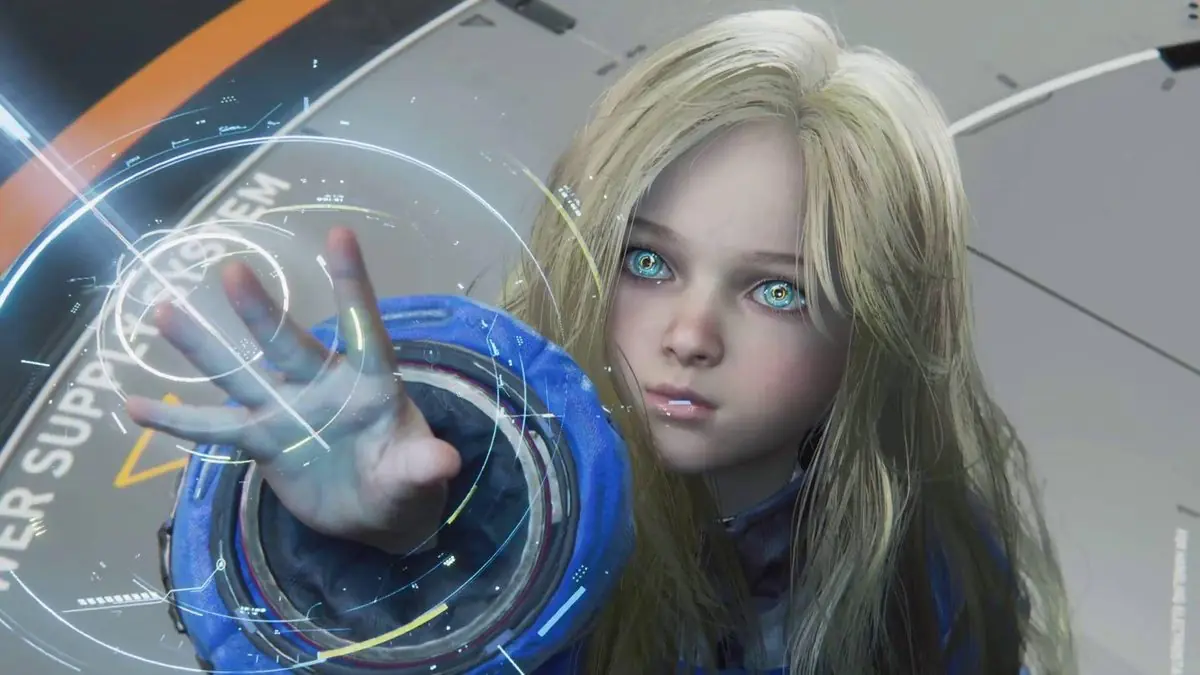
Sometimes the best stories come from the longest journeys. Pragmata just proved that point in spectacular fashion. After six grueling years stuck in development hell, Capcom‘s sci-fi mystery has sold 1 million copies in just 48 hours. The numbers are so good that Capcom is already talking franchise potential.
This isn’t just another sales milestone. It’s vindication for everyone who believed in this project when it looked dead in the water. Pragmata was first announced back in 2020 with a cryptic trailer that left more questions than answers. Then came the delays. And more delays. Radio silence for months at a time. The kind of development cycle that usually ends with quiet cancellations.
“Capcom teases that Pragmata might have a future as a franchise, after at least 6 years in developmen” – u/Turbostrider27 on r/pcgaming
The community response has been overwhelming. Social media is flooded with players sharing their first impressions. Many are calling it a return to form for Capcom’s single-player experiences. The mysterious atmosphere and unique blend of action mechanics seem to be hitting exactly the right notes. Players who’ve been burned by rushed releases are celebrating a game that actually feels finished.
Fans are also pointing out how different this launch feels compared to other recent sci-fi games. No day-one patches breaking core features. No missing content that was promised in trailers. Just a complete experience that delivers on its original vision. It’s the kind of launch that reminds you why taking time to get things right matters.
But success stories always come with skeptics. Some players are questioning whether six years was really necessary for what we got. The game industry has changed a lot since 2020. Competition in the sci-fi action space is fiercer than ever. There are valid concerns about whether Pragmata’s mechanics feel fresh enough to justify that development time.
Others worry about Capcom’s franchise plans. The company has a mixed track record with turning single games into ongoing series. Not every successful game needs sequels. Sometimes a complete standalone experience is exactly what players want. There’s something to be said for knowing when to end a story.
The franchise discussion also raises questions about creative vision. Pragmata works because it feels focused and personal. Will that same energy translate to a sequel developed under franchise pressure? The gaming landscape is littered with great first games that spawned mediocre follow-ups.
The bigger picture here goes beyond just one game’s success. Pragmata represents something the industry has been missing lately. Patient development. Creative risk-taking. A willingness to sit with uncertainty until you get it right. These are qualities that feel increasingly rare in an era of annual releases and live service demands.
Capcom deserves credit for sticking with this project when it would have been easier to cut losses. Six years is a long time in game development. Budgets balloon. Market conditions change. Teams move on to other projects. The fact that they kept Pragmata alive through all of that shows real commitment to the creative vision.
This success also validates a different approach to game marketing. Pragmata didn’t have the massive promotional campaign of most AAA releases. No celebrity endorsements or Super Bowl commercials. Just a mysterious world and the promise of something different. Sometimes letting the game speak for itself is the best marketing strategy.
The industry will be watching what Capcom does next. Will they rush into sequel production while the iron is hot? Or will they take the same measured approach that made the first game work? The smart money is on patience. Pragmata succeeded because it was given time to breathe and develop its identity.
Looking ahead, franchise potential means different things to different people. For Capcom, it probably means exploring the world and characters in new ways. For players, it means more time in a universe that clearly resonates. The key will be maintaining what made the original special while finding new stories worth telling.
The development timeline for any sequel will be interesting to watch. Can Capcom deliver faster results now that the foundation is established? Or will the complexity of the world require another lengthy development cycle? Either way, the success of Pragmata has bought them the breathing room to make those decisions carefully.
For now, though, it’s worth celebrating what we have. A single-player sci-fi experience that took its time and delivered something memorable. In an industry that often prioritizes speed over substance, Pragmata stands as proof that good things really do come to those who wait.