Steam just pulled a classic Valve move. No fanfare, no announcement, just a quiet update that fundamentally changes how the platform works. Players are discovering that Steam now tracks playtime for non-Steam games added to their libraries.
The feature surfaced when gamers started adding their GOG copies of STALKER 2 and other titles to Steam. Instead of the usual blank playtime counter, Steam began recording actual hours played. It’s the kind of update that makes you wonder what else Valve has been cooking behind the scenes.
“non steam game tracking time” – u/ParamedicLocal8226 on r/Steam
This isn’t just a cosmetic change. For years, adding non-Steam games meant sacrificing proper playtime tracking. Your Epic Store and GOG libraries existed in a data void once imported. Now Steam treats them like proper citizens of your gaming ecosystem.
The timing feels deliberate. With more games launching day-one on multiple platforms, players are cherry-picking where to buy based on price and features. Steam’s answer? Make their client the central hub regardless of where you purchased.
Meanwhile, the indie scene keeps churning out interesting projects. INDIELiveExpo showcased “In Falsus,” which now has a Steam demo available. The presentation format suggests this could be another hidden gem worth checking out.
“【#INDIELiveExpo 2026.4.25 Featured Title】 ‘In Falsus’ A demo is currently available on Steam!” – @INDIELiveExpoEN
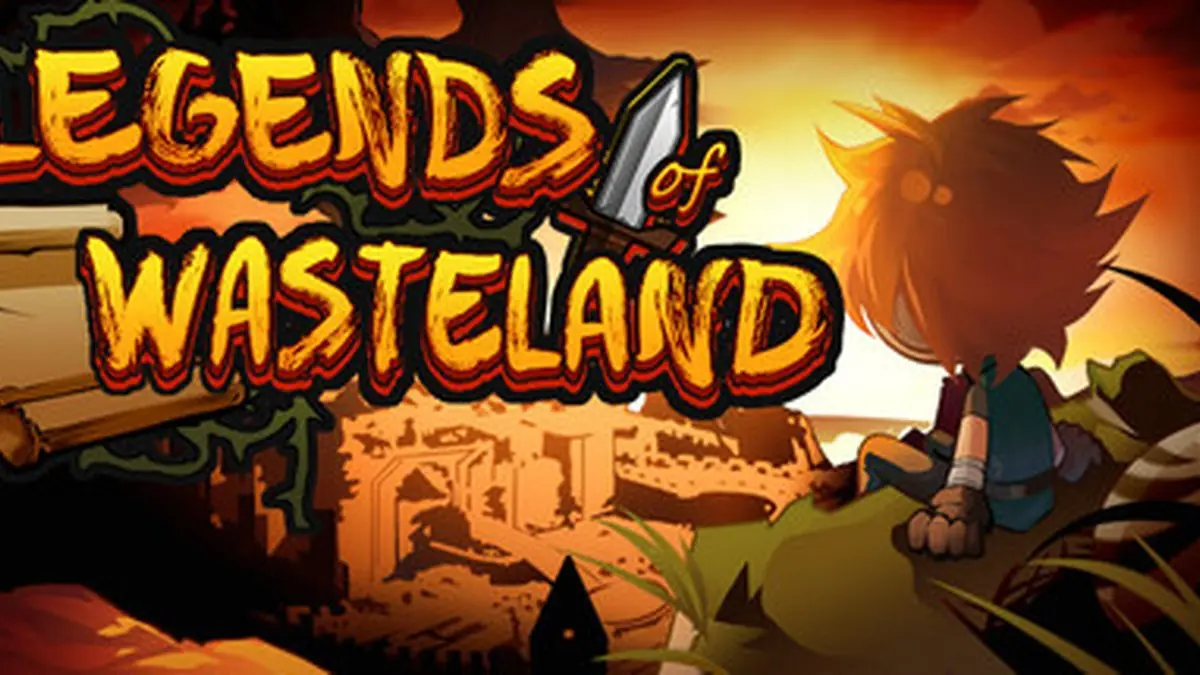
On the updates front, Chinese studio 清友工作室 dropped a v1.0.1 patch for “Legends of Wasteland.” The changelog reads like standard post-launch cleanup – enhanced effects, fixed UI bugs, corrected translations, and patched Steam connection issues. It’s the unglamorous but necessary work that separates decent indie games from abandoned projects.
“v1.0.1 Update Log: 1. Enhance the effects of Clear Mind and Elemental Ring. 2. Fixed the issue where the auto-usage panel would display prematurely when not unlocked.” – Legends of Wasteland on Steam
The studio’s attention to Steam connection stability issues shows they understand their audience. Nothing kills momentum like technical problems preventing achievement unlocks or cloud saves.
Publisher JanduSoft made waves by confirming Nintendo Switch 2 support for an upcoming Freemanagames title. The tweet layout was pure marketing theater – color-coded platform announcements with Steam already live and everything else “coming soon.”
“🟣 Steam & Steam Deck ╰┈➤ https://t.co/epBfg2pIBC 🔵 PlayStation 5 ╰┈➤ Coming soon 🟢 Xbox Series ╰┈➤ Coming soon 🔴 Nintendo Switch 2 ╰┈➤ Coming soon” – @JanduSoft
That Nintendo Switch 2 confirmation adds weight to industry rumors about the console’s 2026 timeline. Publishers don’t announce platform support for vaporware.
The darker side of gaming news emerged with reports of review bombing targeting a game developed by someone connected to recent political violence. The Korean gaming community discussed how the title was pulled from Steam following the coordinated negative reviews.
“트럼프 대통령 총격 사건 용의자가 개발한 게임이 리뷰 폭격을 받아 Steam에서 판매 정지에” – @Dangerplanet
This raises uncomfortable questions about when personal actions should impact creative works. Review bombing has become the internet’s go-to punishment mechanism, but it often hits wrong targets and destroys months of development work.
Steam’s playtime tracking expansion represents something bigger than a feature update. It’s Valve positioning their client as the universal gaming dashboard. Whether you buy from Steam, Epic, GOG, or anywhere else, they want you launching everything through their interface.
The strategy makes sense from a data perspective. More accurate usage metrics mean better recommendations and improved user retention. It also keeps Steam relevant in an increasingly fragmented PC gaming market.
For players, the change mostly brings benefits. Unified playtime tracking, achievement integration, and Steam Deck compatibility for non-Steam games all improve the user experience. The trade-off is giving Valve more insight into your gaming habits across platforms.
Looking ahead, expect other platform holders to respond. Epic might beef up their launcher features, while GOG could push harder on DRM-free advantages. Competition benefits everyone, especially when it results in better tools for managing massive game libraries.
Steam’s quiet update philosophy continues to work. Rather than overpromising features that might not deliver, they ship improvements and let users discover them organically. It’s the opposite of modern marketing culture, and somehow still effective.