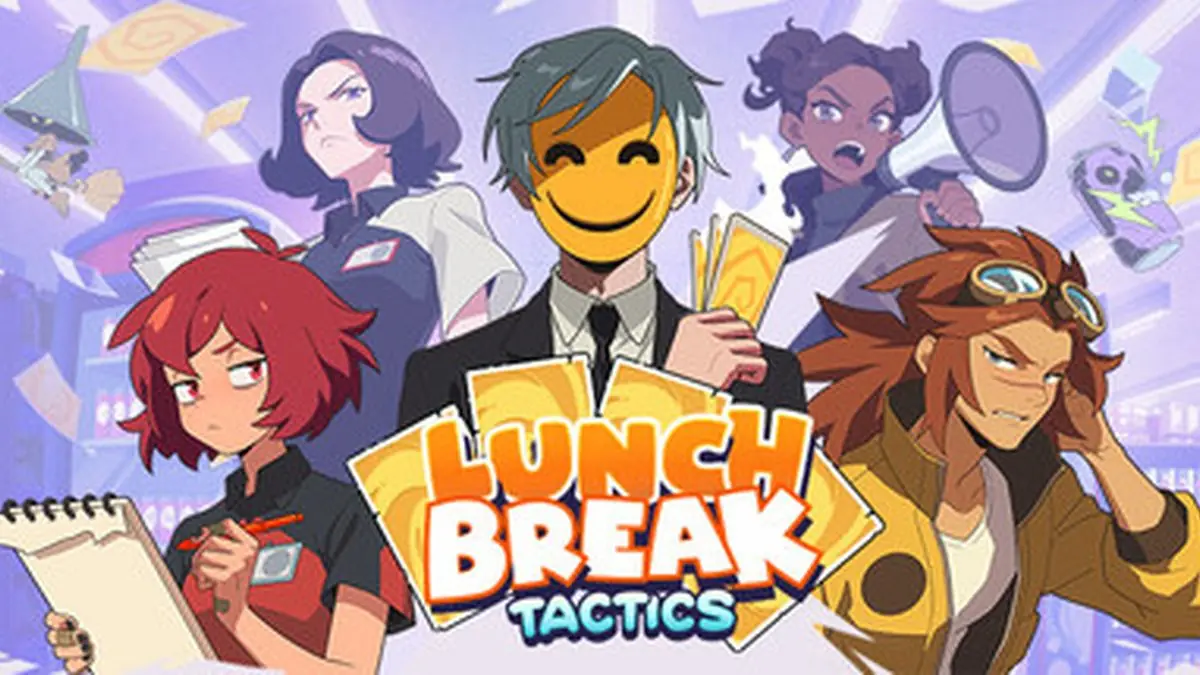
Most card battlers draw inspiration from fantasy realms or sci-fi universes. Lunchbreak Tactics takes a different approach – it mines comedy gold from the soul-crushing reality of retail work.
The indie title launched on Steam this week with an intriguing premise. Players battle using everyday store products as weapons. Toilet paper becomes tactical gear. Energy drinks fuel devastating combos. That suspicious “stockroom check” finally serves a purpose beyond avoiding customers.
Meanwhile, the timing couldn’t be better for a game about workplace escapism. The indie market has seen increased interest in titles that blend humor with strategic depth, particularly those offering quick play sessions that fit modern schedules.
“Lunchbreak Tactics is OUT NOW! Attention Slackers, It’s finally time to step away from the register and head straight to the lunchroom. To celebrate the grand opening, Corporate has generously authorized us to share our employee launch discount of 30% off, so grab it while supplies last!” – Lunchbreak Tactics on Steam
The developer clearly understands retail culture. The announcement reads like an actual corporate memo, complete with that distinctly passive-aggressive tone anyone who’s worked customer service recognizes immediately. That attention to detail suggests genuine respect for the source material rather than cheap laughs at workers’ expense.
Notably, the gameplay mechanics seem designed around real retail worker schedules. Asynchronous matches mean you can take turns whenever you have a spare moment. No need to coordinate with opponents across time zones or block out evening hours for ranked sessions.
The card collection spans 200+ options across 16 heroes and 6 different clans. That’s substantial depth for a launch title, suggesting the developers prioritized replay value over rushing to market. Each clan likely represents different retail departments – though the specifics remain unclear from the announcement.
Daily challenges through “King of the Aisle” mode add another layer of engagement. Meanwhile, monthly ranked seasons culminate in the “Ultimate Slacker of the Month” title. The commitment to workplace humor extends throughout the competitive structure.
This retail-themed approach represents a broader trend in indie gaming. Developers increasingly find inspiration in mundane experiences rather than grand adventures. Papers Please proved bureaucracy could be compelling. Cook, Serve, Delicious made restaurant chaos addictive. Now Lunchbreak Tactics tests whether retail therapy extends to actual strategy games.
The asynchronous format addresses a real problem in competitive card games. Traditional ranked ladders demand significant time investment and consistent availability. Working adults often struggle to maintain progress when matches require real-time commitment. Lunchbreak Tactics removes that friction entirely.
Secret quests hint at hidden depth beyond the surface humor. Smart indie developers know that initial comedy only carries a game so far. Long-term engagement requires genuine strategic complexity underneath the accessible presentation.
The 30% launch discount reflects current Steam marketplace realities. New titles face enormous competition for attention. Aggressive pricing helps break through the noise, particularly for unknown developers without established fanbases.
Card battler mechanics have proven remarkably adaptable across different themes and settings. Slay the Spire established the roguelike variant. Gwent demonstrated competitive potential. Monster Train added tower defense elements. Lunchbreak Tactics contributes workplace comedy to the genre’s expanding vocabulary.
The Steam page suggests cross-platform potential, though current availability remains PC-only. Mobile seems like a natural fit given the emphasis on quick sessions and turn-based gameplay. Retail workers could literally play during actual lunch breaks.
Independent developers face unique challenges when launching card games. The genre demands extensive balancing and ongoing content updates. Player retention requires both immediate accessibility and long-term depth. Early community reaction will determine whether Lunchbreak Tactics achieves that delicate balance.
The game arrives during a particularly strong period for indie releases on Steam. Visibility challenges continue growing as the platform’s library expands. Success often depends more on community word-of-mouth than traditional marketing budgets.
Launch timing suggests the developers plan active post-release support. Monthly ranked seasons require ongoing maintenance and balance updates. That commitment signals confidence in the core concept’s long-term viability.
Whether Lunchbreak Tactics sustains interest beyond its initial novelty depends largely on mechanical depth. Comedy themes attract attention, but strategic gameplay determines retention. The extensive card collection suggests developers understand that distinction.
The 30% discount runs through the initial launch window, likely ending in early May based on typical Steam promotion cycles. Early adopters get financial incentive alongside the satisfaction of discovering a potential hidden gem before broader recognition arrives.