Most games treat language support like an afterthought. Slap on some subtitles, call it international, and ship it out. Not Undercover.
This Steam title just dropped a language support system that actually respects its global audience. We’re talking full UI translation, complete subtitle coverage, and dual voice acting options across four major languages. It’s the kind of attention to detail that separates serious developers from the ones just chasing a quick international buck.
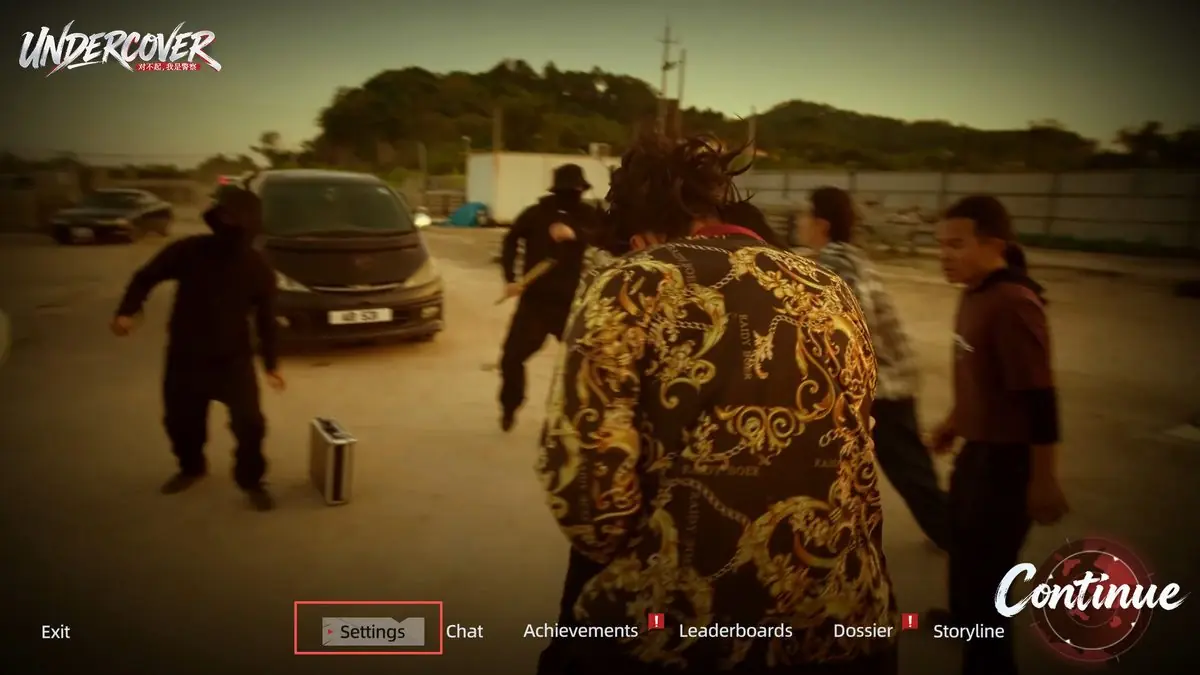
“How to Change Voicecover, UI & Subtitle Languages: When you’re on the main screen, hit Settings. You can pick between Simplified Chinese, Traditional Chinese, English, and Japanese. This changes all UI text across the game. You can pick between Simplified Chinese, Traditional Chinese, English, and Japanese. This changes the subtitle text for all the story content. You can switch between Cantonese (Original) and Mandarin (Dubbed). This changes the character voice lines for all the story scenes. Wish you enjoy it!” – Undercover on Steam
The setup is dead simple. Hit settings from the main screen and pick your poison. Want your menus in Japanese but your subtitles in English? Done. Prefer the original Cantonese voice work over the Mandarin dub? One click and you’re set.
This isn’t just throwing Google Translate at a game and hoping for the best. Full UI translation means every menu, every button, every piece of text gets the proper treatment. Subtitle coverage spans all story content. And offering both Cantonese and Mandarin voice options shows they actually understand their Chinese-speaking audience instead of treating them like a monolith.
Language barriers kill gaming experiences faster than bad framerate. You can have the most gorgeous visuals and tightest gameplay in the world, but if players can’t understand what’s happening, they bounce. Hard.
The gaming industry has a spotty track record here. Big publishers will localize for major markets but leave smaller language communities out in the cold. Indie devs often skip localization entirely due to cost and complexity. And don’t get started on the machine translation disasters that make memes out of serious dramatic moments.
What Undercover gets right is the execution. These aren’t half-measures. When they say UI support, they mean the whole interface. When they promise subtitle coverage, it spans all story content. The voice acting options acknowledge that Chinese players have preferences between regional variants.
This kind of thoroughness costs money and time. Voice actors don’t work for free. Translators who understand gaming terminology and cultural context charge premium rates. Quality assurance across multiple languages multiplies testing overhead. But the payoff is massive.
Global gaming is bigger than ever. The Chinese market alone represents hundreds of millions of potential players. Japanese gaming culture influences worldwide trends. English remains the international standard, but assuming everyone speaks it fluently is leaving money on the table.
Smart developers recognize this reality. They build international support from day one instead of bolting it on later. They invest in proper localization that preserves the intended experience across cultural boundaries. They understand that accessibility includes language accessibility.
Undercover’s approach should be the standard, not the exception. Four languages with full UI, subtitle, and voice support. Easy switching between options. Clear instructions for players who want to customize their experience.
The technical implementation matters too. Settings accessible from the main screen means no hunting through buried menus. Separate controls for UI, subtitles, and voice means players can mix and match based on their preferences and comfort levels. Some might read English menus but prefer native language story content. Others might want original voice acting with translated subtitles.
This level of player choice respects different learning styles and cultural preferences. It acknowledges that gaming communities are global and diverse. Most importantly, it removes barriers that keep people from enjoying the game they paid for.
The gaming community notices this stuff. Word spreads when developers actually care about international players. Reviews mention it. Forums discuss it. Social media amplifies it. Good localization becomes a selling point that drives organic marketing.
Conversely, bad localization becomes a meme. Poorly translated dialogue turns dramatic scenes into comedy. Broken UI text makes games unplayable. Cultural misunderstandings create PR disasters. The internet never forgets, and neither do burned customers.
Undercover chose the harder path that leads to better outcomes. Full language support requires upfront investment but creates lasting value. Players stick around longer when they can actually understand what’s happening. They recommend games to friends who speak their language. They become part of active communities instead of confused observers.
This sets expectations for what proper international support should look like. Other developers taking notes should remember that language accessibility isn’t optional anymore. It’s table stakes for competing in the global gaming market.
The future belongs to games that welcome everyone, not just English speakers in major markets. Undercover just showed how it’s done.