Game manuals used to be works of art. Thick booklets packed with lore, artwork, and secrets that made the car ride home from the game store feel like Christmas morning. Now we get a tutorial popup and call it progress.
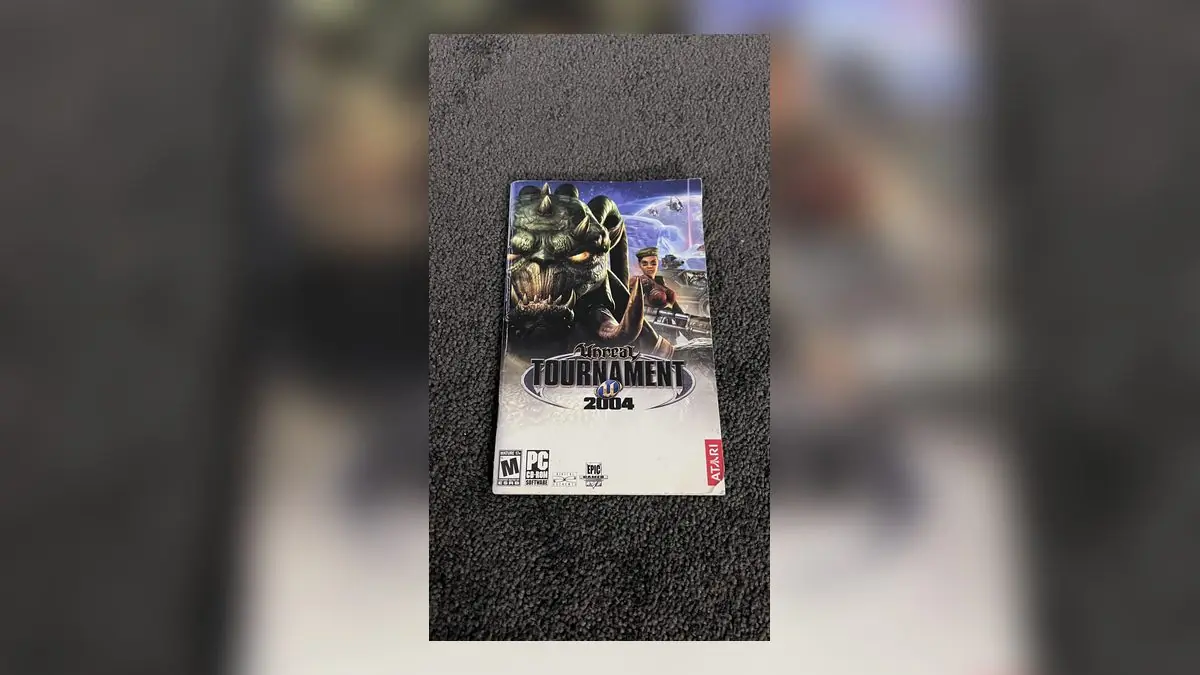
A recent Reddit post perfectly captured what we lost. One gamer shared their memory of the ritual we all knew by heart:
“I remember reading this book in the car on the way home. Was so excited for this game!” – u/ViolentCrumble on r/gaming
That simple statement hits harder than any marketing campaign ever could. Because every real gamer knows that feeling. The weight of a thick manual in your hands. The smell of fresh ink and glossy pages. The way your excitement built with every page turn.
You’d crack open that manual before the car even left the parking lot. Page through character stats, study the control schemes, read background stories that wouldn’t make it into the actual game. By the time you got home, you were already living in that world.
Those manuals weren’t just instruction booklets. They were treasure maps. Game developers put real effort into them because they knew players would read every word. Detailed backstories, concept art, developer notes, Easter egg hints. Some manuals were better written than the games themselves.
Remember flipping through the Civilization manual? That thing was basically a history textbook. Or the Wing Commander packages that came with flight suit patches and dog tags. Companies understood that the experience started the moment you opened the box.
The car ride home was sacred time. No spoilers, no YouTube guides, no wikis. Just you, that manual, and pure anticipation building in your chest. You’d memorize the control layout, plan your character build, imagine the adventures waiting for you. That 20-minute drive felt longer than the actual install time.
Modern games stripped all that away. Sure, we can download games instantly now. Boot up and start playing in minutes. But something died in that convenience. The ritual is gone. The anticipation is gone. The physical connection between you and the game world is gone.
Digital manuals exist, buried in menu systems where nobody looks. They’re usually just control mappings and legal text. No artwork, no lore, no personality. Publishers save money on printing and shipping, but players lose something irreplaceable.
The industry calls this progress. Streamlined experiences, reduced costs, environmental benefits. They’re not wrong about the practical advantages. But they’re dead wrong if they think digital delivers the same emotional impact as physical materials.
Physical game manuals created a different relationship with games. You had to commit. Spend money, drive to the store, carry that box home. The manual was your first taste of that commitment paying off. It made the game feel important before you even played it.
That ritual trained us to value games differently. When you spent time reading about a game before playing it, you approached it with respect. You wanted to understand its systems, appreciate its world, give it the attention it deserved. Modern gaming’s instant gratification culture lost that reverence.
Some indies are bringing back physical materials. Limited run companies print manual-style booklets for special editions. Kickstarter campaigns promise thick instruction books as stretch goals. These efforts prove the demand exists, but they’re expensive novelties now instead of standard practice.
The gaming industry made its choice. Convenience over ceremony. Digital over physical. Profit margins over player experience. Most companies don’t miss the old days because they never understood what made them special in the first place.
But real gamers remember. We remember the weight of those boxes, the excitement of opening them, the anticipation those manuals built. We remember when buying a game felt like an event instead of clicking a button.
The car ride home from the game store used to be the best part of gaming. Now it’s just a memory that hits different every time someone posts about it online. We got convenience, but we lost magic. That’s not a trade most of us would make again if we had the choice.