Sometimes the best gaming strategies don’t come from frame-perfect inputs or optimal builds. Sometimes they come from pure psychological warfare. A Kiln player just shared one of the most creative mind games we’ve seen in recent memory.
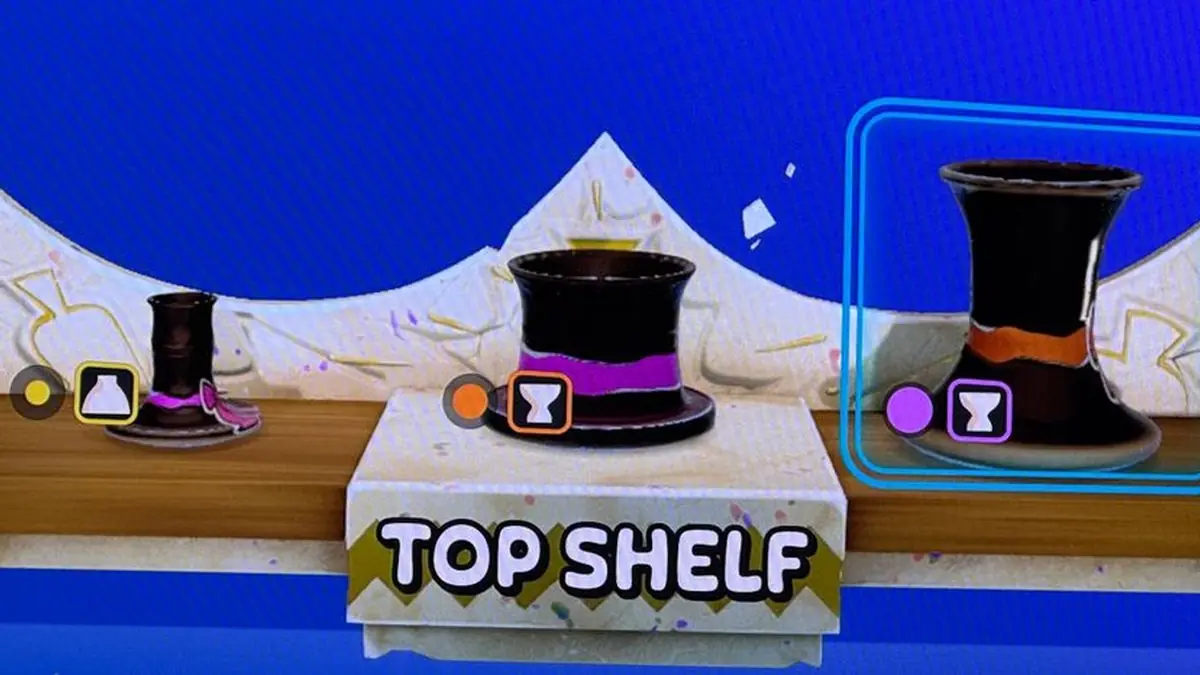
The tactic is beautifully simple. Start a battle wearing a small top hat. Gradually switch to medium. Then large. The enemy watches their opponent apparently grow throughout the fight. Their brain does the rest.
“I deploy a fiendish PSYOP when playing Kiln. I go into battle with a small, medium, and large top hat. I start small, and throughout the battle I gradually switch to bigger hats. This makes the enemy think that THEY are getting SMALLER, which shatters their psyche.” – @timoflegend on Bluesky
This strategy hits different because it exploits something fundamental about human perception. Your opponent isn’t just dealing with gameplay mechanics anymore. They’re questioning reality itself. Are they shrinking? Is their character getting weaker? The doubt creeps in.
The beauty lies in the execution details. You can’t just swap hats randomly. The progression needs to feel natural. Start small when you’re testing the waters. Switch to medium when you’re gaining ground. Pull out the large hat for the finishing blow. Each transition reinforces the illusion.
Kiln’s customization system makes this possible because cosmetic items actually matter for psychological impact. Other games treat accessories as pure vanity. Here they become weapons of mental warfare. The game’s indie nature means fewer players know about these unconventional tactics.
Not everyone’s buying into the hat strategy though. Some players argue that focusing on cosmetic swaps mid-battle leaves you vulnerable to actual attacks. Others point out that experienced opponents won’t fall for visual tricks. They’ll track your actual stats and abilities.
The counterargument makes sense from a pure optimization standpoint. Every second spent in menus is a second not spent on positioning or ability management. Competitive players might dismiss this as a gimmick that only works against newbies. They’re probably not wrong about the effectiveness against top-tier opponents.
But dismissing psychological tactics entirely misses the bigger picture. Fighting games have used visual intimidation for decades. Street Fighter players pick certain costumes to throw opponents off. Tekken players use specific character customizations to mess with spacing perception. The hat trick is just the latest evolution.
The post went viral for good reason. It captures something pure about gaming creativity. While everyone else optimizes damage numbers and frame data, someone figured out how to optimize their opponent’s mental state. That’s next-level thinking.
This kind of outside-the-box strategy shows why indie games matter. AAA titles often lock cosmetics behind progression systems or microtransactions. Kiln gives players the tools to experiment. The result is emergent gameplay that developers never intended.
The psychological aspect also taps into something deeper about competition. The best players don’t just master mechanics. They master their opponents. Reading tells. Exploiting weaknesses. Creating doubt. The hat trick weaponizes the most basic human perception bias.
What makes this especially clever is the low barrier to entry. You don’t need perfect timing or hundreds of hours of practice. You just need three hats and the confidence to commit to the bit. Any Kiln player can try this strategy tonight.
Other games should take notes here. When cosmetic systems serve gameplay purposes beyond pure aesthetics, interesting things happen. Players find creative uses that go way beyond what designers planned. The hat trick proves that good game design creates space for player expression.
Expect to see variations of this strategy spreading to other games with similar customization options. Players are already discussing size-based psychological tactics in other indie titles. The concept has legs because it’s fundamentally about human psychology rather than specific game mechanics.
Don’t be surprised if Kiln’s player base starts developing countermeasures either. Smart opponents will learn to ignore visual cues and focus on actual threat assessment. The arms race between creative strategies and defensive play always escalates.
The real test will be whether this works in tournament settings. Casual matches are one thing. High-stakes competition with money on the line is another. But even if the tactic doesn’t scale to pro play, it’s already succeeded at something more important. It reminded us that gaming creativity still has room to surprise us.