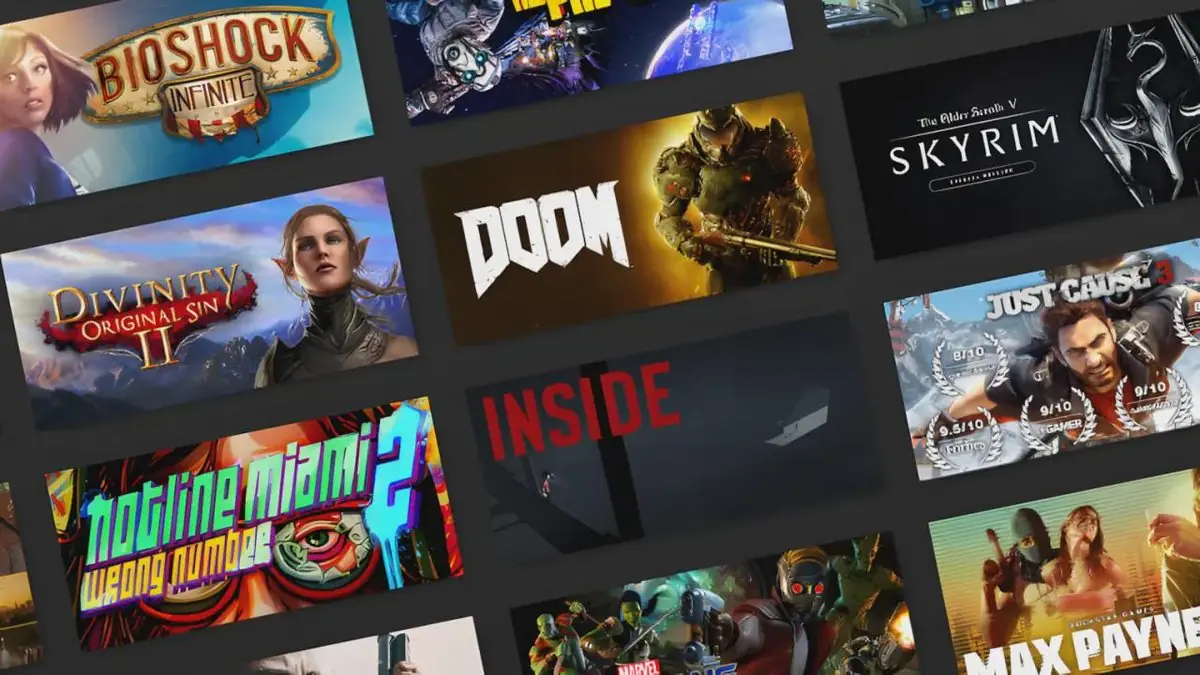
The clock strikes midnight. Steam‘s homepage transforms. Prices plummet like fallen warriors on a digital battlefield. Another weekend sale has begun.
It’s a ritual as sacred as any boss fight preparation. PC gamers across the globe refresh their browsers. They scan through endless rows of discounted titles. The hunt for the perfect deal begins.
This weekend brings another wave of substantial price cuts across major PC gaming platforms. The pcgaming community on Reddit is already buzzing with activity.
“PC game discounts for the weekend” – u/Axeisacutabove on r/pcgaming
The post signals what veteran deal hunters already know. Weekend sales have evolved into something bigger than simple price reductions. They’re community events that bring players together in shared excitement.
Steam leads the charge with its signature weekend deals. Epic Games Store follows with its own competitive offers. GOG joins the fray with DRM-free alternatives. Each platform fights for attention in an increasingly crowded marketplace.
These sales create a unique gaming phenomenon. Players discover hidden gems they might have overlooked at full price. Indie developers get exposure alongside AAA blockbusters. Wishlists become battlegrounds of temptation and budget constraints.
The excitement is real. Social media fills with screenshots of shopping carts. Discord servers buzz with recommendations. Friends share their latest finds like trophies from a successful raid.
But not everyone embraces the sale culture with open arms. Some players worry about the psychology behind constant discounts.
The criticism centers on impulse buying. Games pile up in digital libraries like unfinished quests. Players buy titles they’ll never install. The fear of missing out drives purchases more than actual interest in playing.
Others question whether frequent sales devalue games as art. When everything goes on sale within months of release. developers might feel pressure to inflate original prices. The relationship between perceived value and actual worth becomes murky.
Some veteran gamers remember when buying a game meant commitment. You researched thoroughly before spending money. Each purchase felt significant. Now the barrier to entry sits so low that games compete for attention rather than money.
The memes write themselves. Gamers joke about their massive backlogs. Steam libraries become digital graveyards of good intentions. The phrase “I’ll play it eventually” echoes through gaming forums like a hollow promise.
Yet the community finds humor in shared experiences. Screenshots of 500+ game libraries become badges of honor. The “sale addict” identity embraces the absurdity. Players bond over their collective inability to resist a good deal.
Social media fills with jokes about empty wallets and full hard drives. The ritual of buying games during sales becomes more entertaining than actually playing them.
Beyond the memes lies a fundamental shift in how we consume digital entertainment. Weekend sales represent democratized gaming access. Premium experiences become affordable for students and budget-conscious players.
This accessibility benefits the entire ecosystem. Smaller developers gain visibility alongside major publishers. Experimental games find audiences they might never reach at full price. The diversity of available content expands dramatically.
The sales also reflect intense platform competition. Each storefront fights for market share through aggressive pricing. This benefits consumers in the short term. But questions remain about long-term sustainability for developers.
Some analysts worry about a race to the bottom. If games only sell during deep discounts. developers might struggle to maintain profitable business models. The pressure to participate in sales cycles could stifle creativity and innovation.
Yet the data suggests otherwise. Many developers report that sales volume during promotional periods more than compensates for reduced margins. The exposure gained often leads to future full-price sales of sequels and DLC.
Looking ahead, weekend sales show no signs of slowing down. If anything. they’re becoming more frequent and aggressive. Platforms experiment with flash sales and limited-time offers. The competition for gamer attention intensifies.
New technologies might reshape the landscape. Subscription services challenge traditional ownership models. Cloud gaming could eliminate the need for permanent purchases. The relationship between players and their digital libraries continues evolving.
For now, the weekend sale remains king. It’s a celebration of gaming abundance in an era of infinite choice. Whether you’re a deal hunter or a patient gamer. these sales offer something for everyone.
The only question left is how much space you have on your hard drive.