The halls of power rarely echo with praise for pixel art and polygons. But in South Korea, something extraordinary just happened. The nation’s Prime Minister stepped into the spotlight to crown a video game as the future of cultural warfare.
Crimson Desert has achieved what few games ever do. It caught the attention of a head of government.
This isn’t just another gaming milestone. It’s a seismic shift in how nations view interactive entertainment. The Prime Minister’s words carry weight beyond gaming circles. They signal Korea’s declaration that games are no longer toys – they’re weapons of cultural influence.
“‘They Have Opened a New Chapter for K-Content’ – Prime Minister of South Korea Praises Crimson Desert for ‘Naturally Weaving in’ Taekwondo and Korean Cuisine” – u/yourfavchoom on r/pcgaming
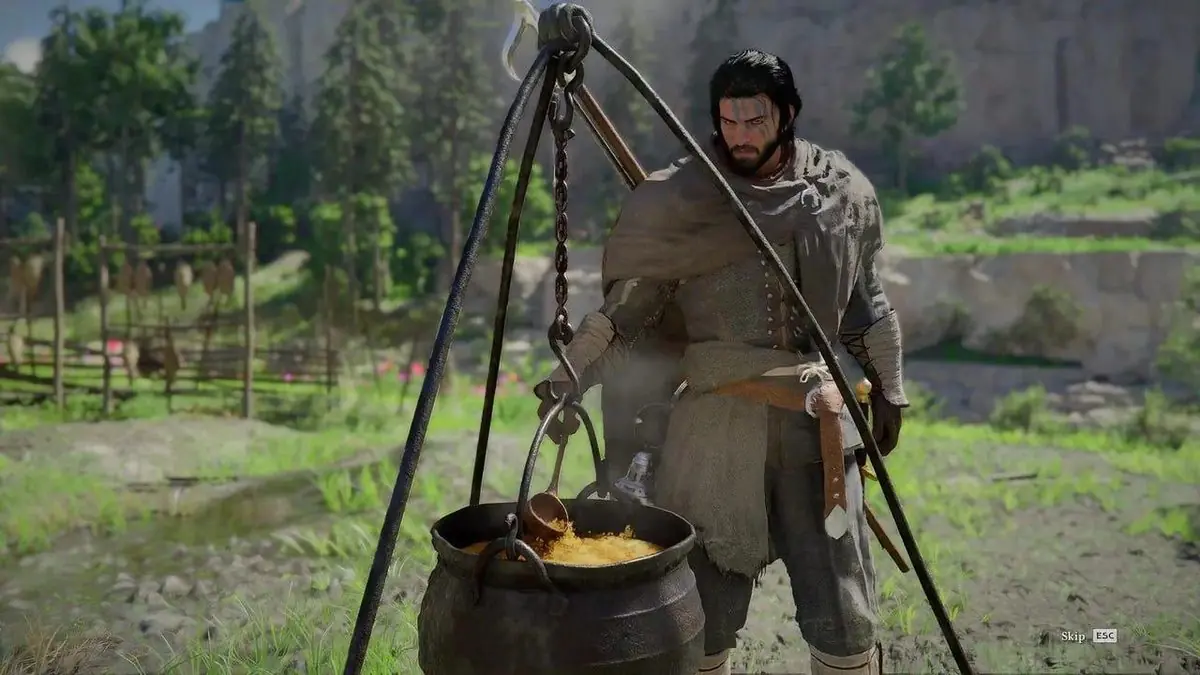
The PM’s specific praise focused on how Pearl Abyss naturally integrated Korean culture. Taekwondo flows through combat systems. Korean cuisine becomes part of the world-building fabric. These aren’t token additions or cultural checkboxes. They’re organic expressions of Korean identity.
This recognition matters because it’s authentic. Government officials usually offer hollow endorsements. They smile for cameras and recite talking points. But the Prime Minister identified specific cultural elements. That suggests genuine engagement with the medium.
Korean gaming has been building toward this moment for decades. From early MMORPGs to mobile gaming dominance, Korean developers have quietly conquered global markets. Now their government is catching up to what players already knew.
The phrase “new chapter for K-Content” carries massive implications. Korea’s cultural export strategy has focused on K-pop and K-dramas. These industries generate billions and shape global perceptions of Korean culture. Gaming was always the sleeping giant in this equation.
Consider the numbers behind Korean soft power. BTS alone generates over $5 billion annually for Korea’s economy. Squid Game became Netflix’s biggest series ever. Now gaming enters that conversation with official government backing.
Crimson Desert represents something bigger than entertainment. It’s cultural diplomacy through interactive media. Players don’t just consume Korean content – they participate in Korean experiences. They learn Taekwondo moves through gameplay mechanics. They engage with Korean food as world-building elements.
This approach mirrors how Korean pop culture conquered the world. It didn’t force Korean identity on audiences. Instead it made Korean culture feel cool and accessible. Crimson Desert appears to follow that same playbook.
The gaming industry has been waiting for this kind of recognition. For too long, politicians treated games as problems to solve rather than achievements to celebrate. Violence concerns. Addiction fears. Moral panic after moral panic.
Korea’s Prime Minister just shifted that narrative. Games aren’t societal threats – they’re cultural ambassadors. They’re soft power tools that can reach audiences traditional media cannot touch.
This endorsement also validates the medium’s artistic potential. The Prime Minister didn’t praise Crimson Desert’s graphics or gameplay mechanics. The focus was on cultural expression and storytelling. That suggests understanding games as legitimate artistic platforms.
Pearl Abyss has been building toward this moment since Black Desert Online launched. That game established them as serious MMO developers. Crimson Desert represents their evolution into cultural storytellers.
The timing couldn’t be better for Korean gaming. The global industry is hungry for diverse voices and fresh perspectives. Western studios have dominated for decades. Korean developers offer different sensibilities and cultural frameworks.
Government recognition opens doors that were previously closed. Official backing can mean funding support. International trade missions. Diplomatic channels that treat gaming as legitimate cultural export.
Other nations will be watching Korea’s approach. If gaming becomes a successful soft power tool, expect similar endorsements worldwide. The Prime Minister might have just started a global trend.
Crimson Desert launches into a transformed landscape. It’s not just another action RPG competing for player attention. It’s a cultural statement with government backing. That kind of support can move mountains in the gaming industry.
The future of K-Content just expanded beyond music and television. Gaming has entered the conversation as an equal partner. And for Pearl Abyss, that recognition might be worth more than any sales numbers.
The battle for cultural influence just gained a new battlefield. Korea is ready to fight.