Sometimes the most insightful gaming analysis comes not from industry veterans or established critics, but from the developers themselves. When junior creators start paying attention to market trends, they’re not just looking for business opportunities – they’re reading the cultural tea leaves of what stories we want to tell and hear.
That’s exactly what happened when one developer took a closer look at recent indie releases and found something fascinating: the entire landscape is shifting toward something softer, more intentional, and deeply emotional.
“As a junior #gamedev, I consider it essential to play (and support!) new indie releases. Not just to understand what skills to build and where to aim, but to develop a clear sense of the market. Indie games tend to set the tone-right now, the trend leans toward cozy experiences, strong visual identity, and emotionally resonant storytelling. These games are less about mechanics alone and more about atmosphere and feeling.” – @meowytheartist
This isn’t just market research – it’s cultural anthropology. When developers start noticing that successful indies prioritize “atmosphere and feeling” over pure mechanics, they’re identifying something profound about what players actually want right now.
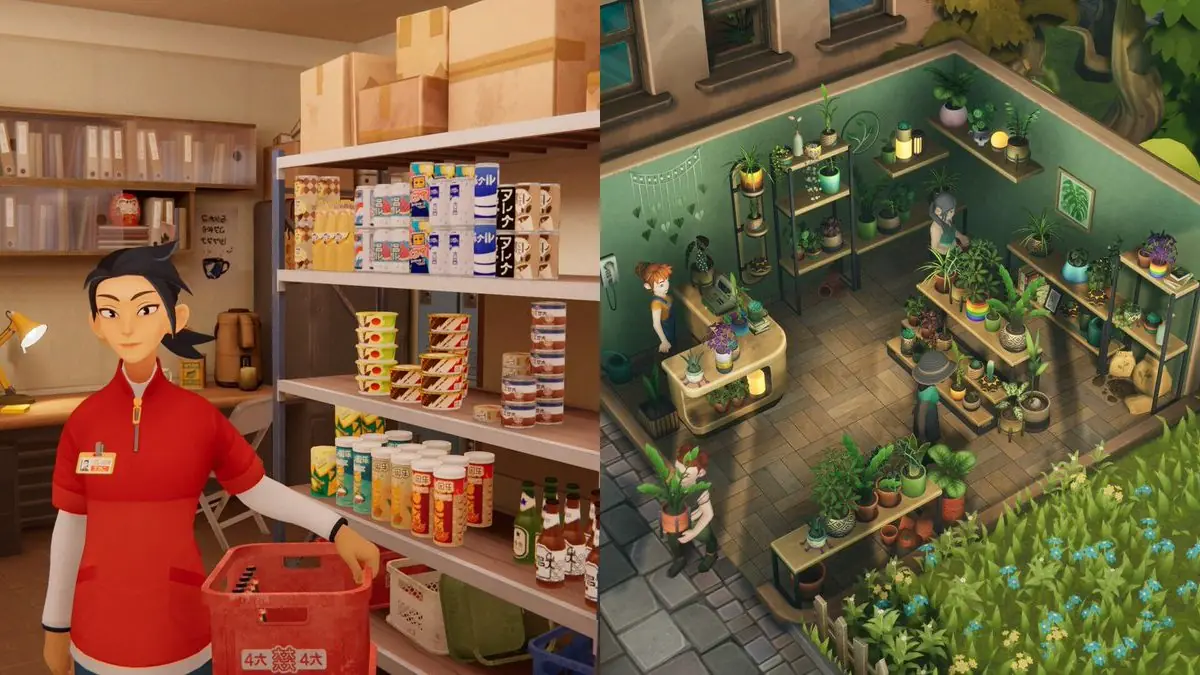
The developer highlighted two specific demos that caught their attention: inKONBINI: One Store. Many Stories and Leafy Corner. Both games apparently left what they called a “pleasant soft impression” – and that phrase itself tells us everything about this trend.
We’re not talking about adrenaline rushes or competitive thrills. We’re talking about games that wrap around you like a warm blanket, that create spaces you want to inhabit rather than challenges you want to conquer. inKONBINI, with its focus on multiple stories within a single convenience store setting, suggests the kind of intimate, slice-of-life narratives that have been gaining traction across all media.
Leafy Corner, meanwhile, evokes the growing trend of games that treat environment as character. These aren’t just backdrops for action – they’re carefully crafted emotional landscapes designed to evoke specific feelings and memories.
What’s particularly interesting is how this trend reflects broader cultural movements. We’re living in an age of anxiety, where the news cycle moves at breakneck speed and social media demands constant engagement. In this context, cozy games function almost like digital meditation spaces – places where the primary goal is simply to exist peacefully.
This shift also represents something important about indie game development as an art form. When big studios chase market trends, they often focus on proven mechanics and profitable formulas. But indie developers have the freedom to ask different questions: What if a game’s main purpose was to make you feel calm? What if the victory condition was simply experiencing beauty?
The developer’s observation about “visual identity” is equally telling. In a crowded marketplace, games can’t just look good – they need to look distinctive. More importantly, they need their visual style to communicate their emotional intentions immediately. Players should be able to look at a screenshot and instantly understand the kind of experience they’re being offered.
This is where the storytelling revolution really lives. Traditional game narratives often focus on external conflict – save the world, defeat the boss, solve the mystery. But cozy games are pioneering forms of storytelling that center internal experience. They’re asking what happens when the story is about growth, reflection, connection, or simply the pleasure of existing in a beautiful space.
From a narrative perspective, this trend represents games finally catching up with other art forms that have long understood the power of quiet moments. Literature has always known that the most powerful scenes often happen in kitchens or on park benches. Film has mastered the art of letting audiences simply observe characters existing in their worlds.
Games are now discovering their own version of this approach, and it’s creating entirely new possibilities for interactive storytelling. When the mechanic is simply moving through a space and observing, when success is measured by emotional resonance rather than skill mastery, games can tell stories that would be impossible in any other medium.
The market validation is already happening. Players are clearly hungry for these experiences, and developers who understand this trend early are positioning themselves perfectly for the future of indie gaming.
As this developer noted, this isn’t just about understanding where the market is going – it’s about understanding what kinds of stories we want to tell. And right now, those stories seem to be about finding peace, creating beauty, and celebrating the small moments that make life meaningful.
Watch for more games following this template in the coming months. If current trends continue, we might be looking at a fundamental shift in how indie games approach both mechanics and meaning.