The League of Legends community is having a heated debate about costreaming, and it’s hitting close to home for fans of one of our favorite analyst shows.
Costreaming has become a hot topic in League esports. For those who might not know, costreaming is when content creators watch and commentate over official broadcasts on their own channels. It gives us different perspectives and often more casual, fun commentary than the main broadcast.
But not everyone’s happy about how this trend is affecting their favorite content.
“Costreaming is ruining Mind the gap w/ Vedi & Jatt. KC is the EU C9 (allegedly) | Episode 17” – Original post on r/leagueoflegends
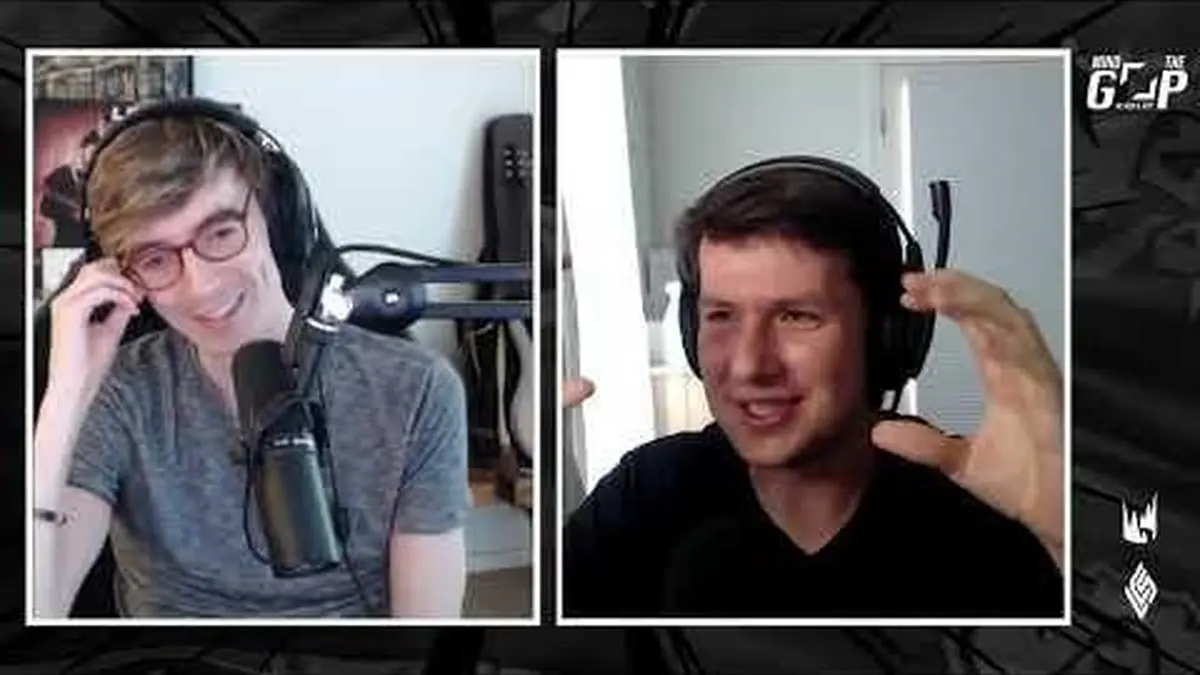
This complaint about Mind the Gap really caught our attention. The show features well-known analysts Vedi and Jatt, who many of us have been following for years. They’ve built their reputation on deep game knowledge and the kind of insights that help us understand the pro scene better.
The comparison to KC being “the EU C9” is interesting too. Cloud9 has always been known as a team that develops talent and creates storylines, but sometimes falls short when it really matters. If KC is following that same pattern in Europe, it makes sense why analysts would want to dig into those parallels.
But here’s where things get tricky. When costreaming becomes the main way people consume content, it can hurt the original creators. Think about it – if everyone’s watching someone else react to Mind the Gap instead of watching the actual show, that’s lost views and engagement for Vedi and Jatt.
We’ve seen this tension building across League content for months now. Some creators love costreaming because it brings fresh energy and different viewpoints. Others worry it’s cannibalizing their work and making it harder to build direct relationships with viewers.
The thing is, we get both sides. Costreaming can be really entertaining. We love seeing our favorite streamers react to big plays or share their hot takes on team strategies. It often feels more interactive and fun than traditional broadcasts.
At the same time, original content creators put a lot of work into their shows. When Vedi and Jatt prepare for Mind the Gap, they’re doing research, planning segments, and bringing their expert analysis to help us understand the game better. If that gets overshadowed by reaction content, it could hurt the quality of analysis we get long-term.
This isn’t just about one show either. The whole League esports ecosystem is figuring out how to balance official broadcasts, independent content creators, and costreaming. Riot has been pretty hands-off so far, but other esports have had to make tougher decisions about what’s allowed.
The regional comparison between KC and C9 also highlights something important about how we talk about teams. Both organizations have passionate fanbases, but they’ve also dealt with criticism about not quite reaching their potential. When analysts dive into these patterns, it helps us understand what separates good teams from great ones.
What makes this situation more complex is that many of us watch multiple types of League content. We might catch the official broadcast, check out some costreams, and then watch analysis shows like Mind the Gap afterward. Each format serves a different purpose in how we experience the esport.
The community seems genuinely split on this issue. Some fans think costreaming adds value by making content more accessible and entertaining. Others worry we’re losing the deeper analysis and professional presentation that drew them to League esports in the first place.
This debate isn’t going away anytime soon. As League continues to grow and more creators enter the space, we’ll need to figure out sustainable ways for everyone to thrive.
The spring split is heating up, and we’ll probably see more discussions like this as teams make their playoff pushes. Whether you prefer official broadcasts, costreams, or analysis shows, there’s plenty of great League content out there.
The key is making sure we support the creators who put in the work to make our viewing experience better, whether that’s through direct views, engagement, or just spreading the word about content we enjoy. The League community is at its best when we’re lifting each other up, not tearing down the content that makes our esport special.