Sometimes you need to step away from a game to truly appreciate what made it special. That’s exactly what happened when one Reddit user fired up Far Cry 3 again after years away.
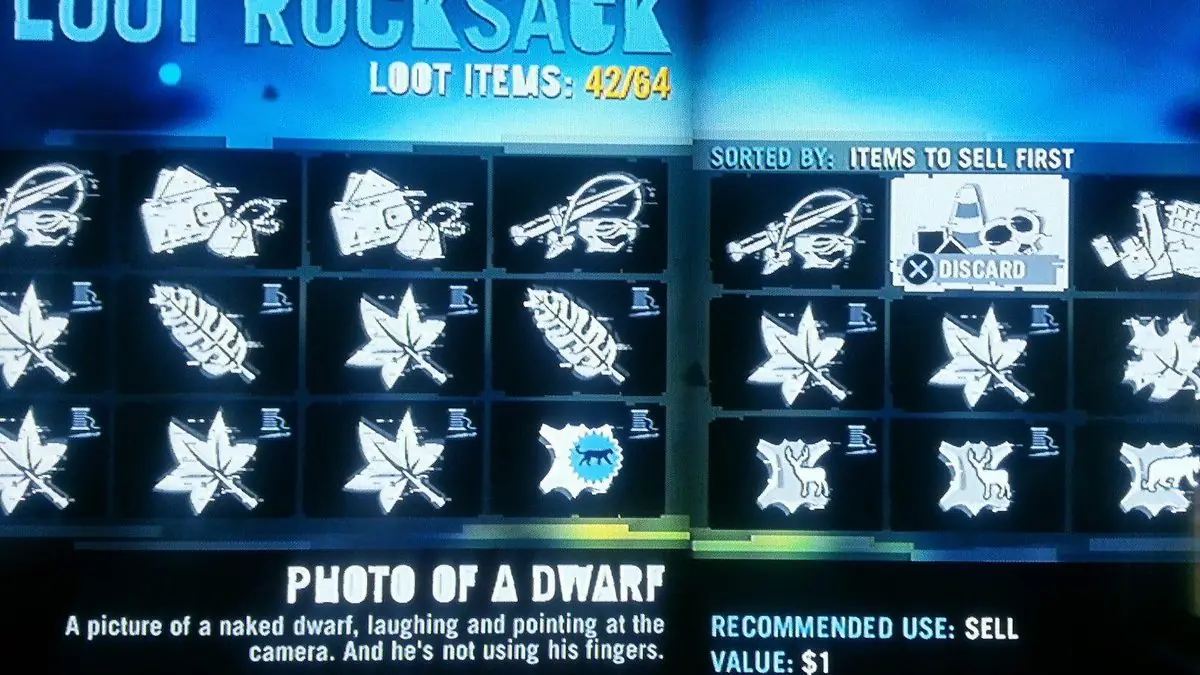
“Oh Far Cry 3, I forgot how good you were. It’s the little things that make a game great/fun/interesting.” – u/zero260asap on r/gaming
This simple post captures something important about Ubisoft‘s 2012 masterpiece. While newer Far Cry games chase bigger explosions and wilder settings, players keep coming back to the third entry. There’s something timeless about Jason Brody’s descent into madness on Rook Island.
Far Cry 3 didn’t just refine the open-world formula. It perfected it. The game struck a perfect balance between freedom and focus that few games have matched since. You could hunt pirates, explore ancient ruins, or just drive around listening to the radio. Every activity felt meaningful.
The magic really was in those little things. The way enemies would call out to each other during firefights. How animals would flee when they heard gunshots. The satisfying thunk of throwing knives finding their target. Radio towers that actually revealed interesting locations instead of just map clutter.
Vaas Montenegro deserves special mention here. Michael Mando’s performance as the unhinged pirate leader became instantly iconic. His “definition of insanity” monologue is still quoted today. But it wasn’t just the big moments that made him memorable. It was the way he’d twitch, laugh at inappropriate times, or suddenly switch between calm and violent.
The island itself felt alive in ways that many modern open-world games struggle with. Wildlife had realistic behavior patterns. Weather would roll in naturally. NPCs had routines that made sense. These details created immersion that went beyond pretty graphics.
Crafting actually mattered too. You needed animal hides for better equipment. This gave hunting purpose beyond just checking boxes. Finding rare animals became genuinely exciting because you knew that shark skin would upgrade your gear in meaningful ways.
Then there’s the progression system. Skills unlocked new abilities that changed how you played. The takedown animations were brutal but satisfying. Weapon upgrades felt substantial. Everything connected to make you feel more powerful as Jason transformed from scared tourist to deadly predator.
What’s remarkable is how well Far Cry 3 holds up today. Yes, the graphics show their age. Some mechanics feel dated. But the core experience remains compelling because the fundamentals were so solid. Good game design doesn’t expire.
This speaks to a broader truth about gaming. Technical limitations force creativity. When you can’t rely on cutting-edge graphics or massive budgets, you have to nail the basics. Far Cry 3 came from an era when developers had to make every system count.
Modern games often feel bloated by comparison. They pile on features without considering how they work together. Far Cry 3 was more focused. Every mechanic served the larger vision of Jason’s transformation and the player’s growing mastery of the island.
The game also understood pacing in ways many current titles don’t. Quiet moments between action sequences let tension build naturally. Story missions had variety beyond just “go here, shoot these guys.” Side content complemented the main narrative instead of distracting from it.
It’s telling that players still return to Far Cry 3 when they want that specific open-world experience. Newer entries in the series have refined individual elements but lost some of that original magic. Sometimes evolution isn’t always improvement.
This nostalgia wave isn’t unique to Far Cry 3. Gamers are increasingly looking backward as current releases disappoint. Maybe it’s because older games had clearer visions. Maybe it’s because they were complete experiences at launch. Or maybe we’re just getting old.
Whatever the reason, Far Cry 3 proves that great games are timeless. Technical specs matter less than solid design and clear artistic vision. When developers nail those fundamentals, players will keep coming back years later.
The gaming industry could learn from this. Instead of chasing every trend, maybe focus on making games that will still feel fresh in 10 years. Far Cry 3 shows it’s possible. Sometimes the best way forward is looking back at what actually worked.