The war for League of Legends broadcasting supremacy has entered a new phase. Like gladiators circling in an arena, content creators and official broadcasters are locked in a battle that could reshape how we watch competitive gaming forever.
The latest skirmish began when FlyQuest dropped a controversial video about costreaming policies. The timing couldn’t have been more explosive – just one week after veteran host Sjokz had already lit the fuse by calling for Riot to adopt ESL’s new, harsher restrictions on costreamers.
The battlefield is littered with tension. On one side stand the official broadcasts, meticulously crafted productions that cost millions to create. On the other, independent creators who’ve built empires by offering their own commentary alongside these very same feeds.
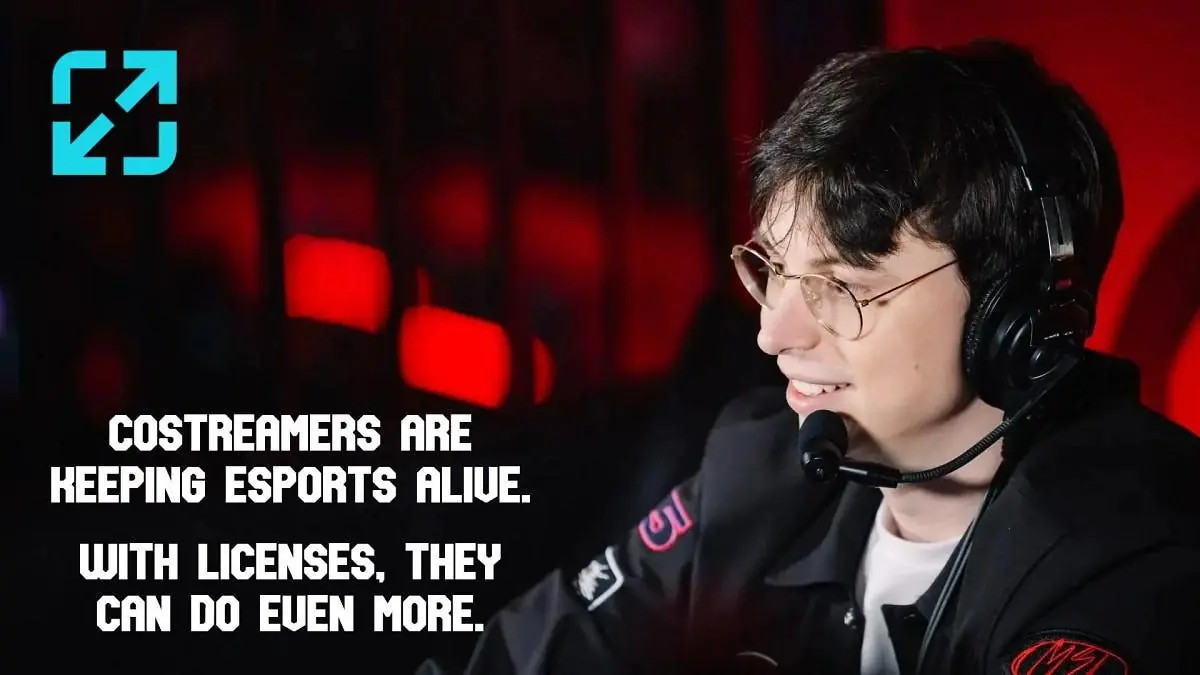
But from this chaos, a potential peace treaty has emerged. A Reddit discussion sparked by the FlyQuest controversy has proposed something radical: let costreamers pay for the privilege of total freedom.
“Let costreamers pay for licenses – then they can stream however they’d like.” – u/arshpotter9 on r/leagueoflegends
The proposal cuts through the noise with surgical precision. Instead of endless debates about what costreamers can and can’t do, why not let them buy their way out of restrictions entirely?
Currently, costreamers exist in a strange limbo. They receive Riot’s entire broadcast production – camera work, graphics, commentary infrastructure – completely free. They then layer their own personalities on top, keeping 100% of the revenue from subscriptions, donations, and sponsorships.
Sjokz didn’t mince words about this arrangement. She pointed out that costreamers “are getting the entire product for free and all the profits they get from it.” Her question cuts deep: why should they be allowed to cut away from the main broadcast when they’re essentially parasitic on its success?
The frustration runs both ways. Popular creators like Caedrel and OhnePixel have repeatedly voiced their annoyance with current restrictions. These aren’t small-time streamers – they’re personalities with massive followings who feel handcuffed by rules that limit their creative expression.
Every time they want to react differently, check their phone, or engage with chat during a slow moment, they risk violating broadcasting agreements. It’s like being a master chef forced to cook with someone else’s recipe book.
The ESL precedent looms large over this debate. Their stricter costreaming rules have already shown what a more restrictive future might look like. If Riot follows suit, popular costreamers might find themselves even more constrained – or pushed out of the space entirely.
This tension reveals a deeper truth about modern esports viewership. Audiences increasingly want personality-driven content, not just pure gameplay. The most successful costreamers don’t just watch matches – they create entirely new entertainment experiences around them.
But here’s where the licensing proposal becomes brilliant in its simplicity. Instead of a zero-sum game where either official broadcasts or costreamers win, it creates a middle path where everyone gets what they want.
Top-tier costreamers could pay substantial licensing fees – perhaps hundreds of thousands of dollars for major tournaments. In return, they’d gain complete creative freedom. They could cut away during boring moments, focus on chat interaction, or create entirely different viewing experiences.
Meanwhile, smaller or newer costreamers could stick with free licensing but accept the restrictions. This creates a natural tier system that rewards success while protecting the main broadcast’s core value.
The economics make sense too. Major costreamers already generate massive revenue. Caedrel’s World Championship costreams regularly pull in hundreds of thousands of viewers. For creators at that level, paying for freedom would be a worthwhile business investment.
For Riot, it opens up a new revenue stream while maintaining control over their broadcast product. They could set different pricing tiers for different levels of freedom, creating a sophisticated marketplace for viewing rights.
The proposal also addresses the fundamental fairness question that Sjokz raised. If costreamers want to profit from Riot’s production value, they should contribute financially to that production. It’s a simple equation that benefits everyone.
Looking ahead, this debate will likely intensify as esports continues to mature. The current free-for-all approach to costreaming feels increasingly unsustainable as broadcast rights become more valuable.
Riot faces a crucial decision. They can either crack down with ESL-style restrictions and risk alienating popular creators, or they can innovate with licensing systems that could set the standard for all of esports.
The paid licensing model offers a path forward that could satisfy both camps. Costreamers get the creative freedom they crave, while official broadcasts get proper compensation for their investment. In a world where everyone wins, even the viewers come out ahead with more diverse viewing options.
The battle lines are drawn. Now it’s time to see which side blinks first.