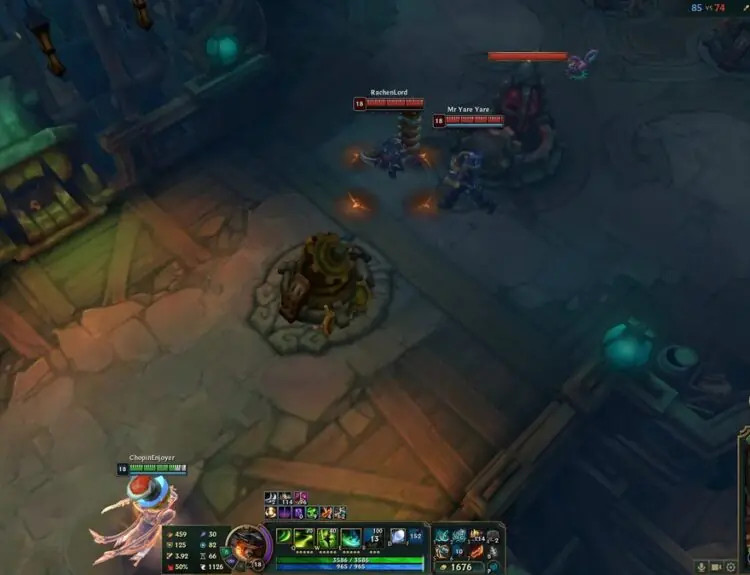
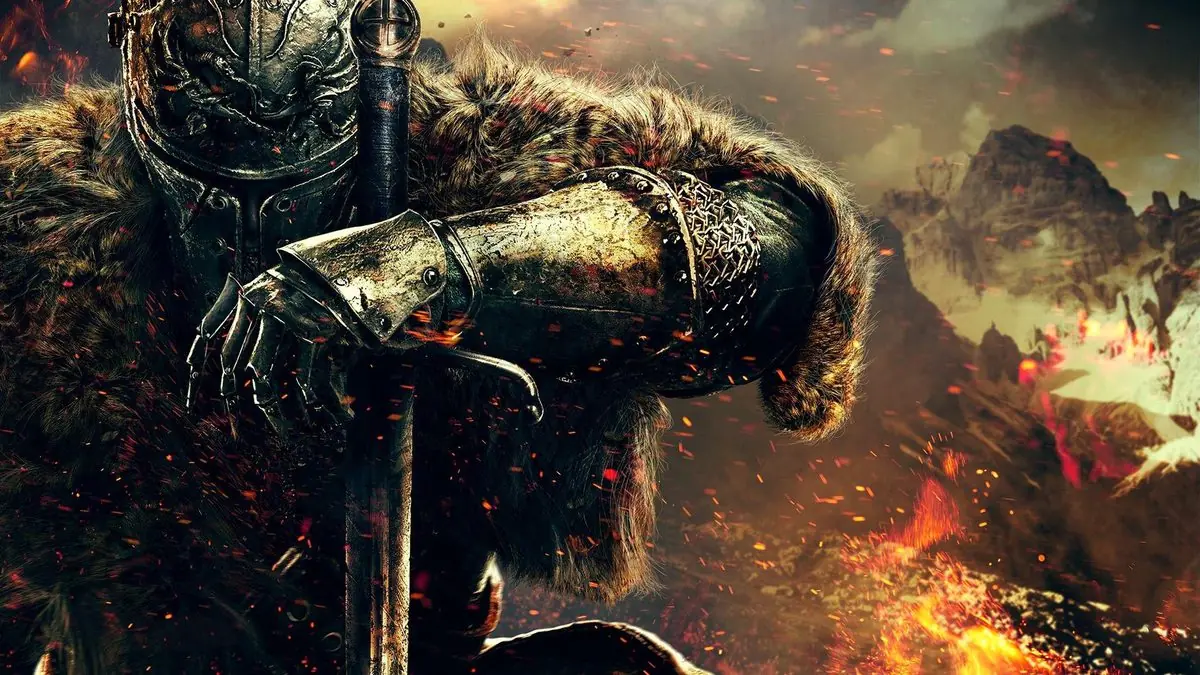
Sometimes the most fascinating stories in gaming aren’t the ones we play, but the ones left behind. A content creator has just unearthed something remarkable from Dark Souls 2’s depths: a massive, fully-realized sewers map that never made it into the final game. It’s like finding the blueprint for a cathedral in someone’s basement, complete and abandoned.
The discovery comes courtesy of dedicated fans who refuse to let sleeping dragons lie. Digging through Dark Souls 2’s game files, they’ve pulled up what might be one of the most significant pieces of cut content ever found in a Souls game.
“A YouTuber has unearthed Dark Souls 2’s enormous cut sewers map, and it’s another fascinating insight into the design of FromSoftware‘s most divisive work” – u/Turbostrider27 on r/pcgaming
This isn’t just some half-finished area or placeholder geometry. We’re talking about an entire underground network that could’ve fundamentally changed how players moved through Drangleic. The scale suggests this wasn’t a minor side area but a major connective tissue that would have linked disparate parts of the world.
For a series built on the poetry of interconnected level design, finding these lost sewers feels almost mythical. It’s like discovering a missing verse from your favorite song.
The implications run deeper than just “more content.” Dark Souls 2 has always felt different from its siblings, more fragmented, with areas that seem to exist in their own pocket dimensions rather than forming one cohesive world. These sewers might explain why.
Imagine if instead of those jarring elevator rides that defy physics, you could have descended into the belly of Drangleic itself. Picture navigating flooded tunnels beneath Majula, emerging in unexpected locations, finding shortcuts that actually made geographical sense. The sewers could’ve been the missing link that made Dark Souls 2’s world feel whole.
This discovery also sheds light on the game’s troubled development story. Dark Souls 2 went through massive changes during production, with original director Tomohiro Shibuya stepping back and Yui Tanimura taking over to salvage what he could. The result was a game that felt like two different visions stitched together, sometimes brilliantly, sometimes awkwardly.
These cut sewers represent the road not taken. They’re a glimpse into what might’ve been a more ambitious, more interconnected Drangleic. Instead of the warped geography we got, where a windmill sits atop a volcano and elevators lead to impossible destinations, we might’ve had underground rivers carrying us between realms.
Dark Souls 2 remains the black sheep of the trilogy, criticized for its disjointed world design and questioned level progression. But discoveries like this remind us that its problems weren’t born from lack of ambition. If anything, the game might’ve been too ambitious for its own good.
The sewers also hint at something deeper about the nature of creativity and constraint. Sometimes the most interesting art comes not from what’s included, but from what’s left out. Every cut area, every abandoned idea, every deleted character becomes part of the work’s ghost story.
For FromSoftware, known for their meticulous attention to environmental storytelling, these sewers would’ve been more than just corridors. They would’ve told their own tale, perhaps of a kingdom’s decay, of waters that once flowed clean now running dark, of the literal and metaphorical underground that festered beneath Drangleic’s surface.
It makes you wonder what other secrets lie dormant in the files of our favorite games. How many lost worlds exist in digital amber, waiting for someone curious enough to dig them up?
The discovery comes at an interesting time for FromSoftware fans. With Elden Ring having proven the studio’s mastery of open-world design, looking back at Dark Souls 2’s cut content feels like examining archaeological evidence of their evolution as world-builders.
These sewers won’t change how Dark Souls 2 plays today, but they might change how we understand it. They’re a reminder that even the most criticized games often contain unrealized brilliance, and that sometimes the most compelling stories are the ones that never got told.
Who knows what other lost kingdoms lie waiting in the code, ready to be rediscovered by dedicated fans with the patience to excavate digital ruins?