Monster capture games usually paint bright, cheerful worlds where friendship conquers all. Elven Watcher takes that formula and dips it in shadow and ancient magic.
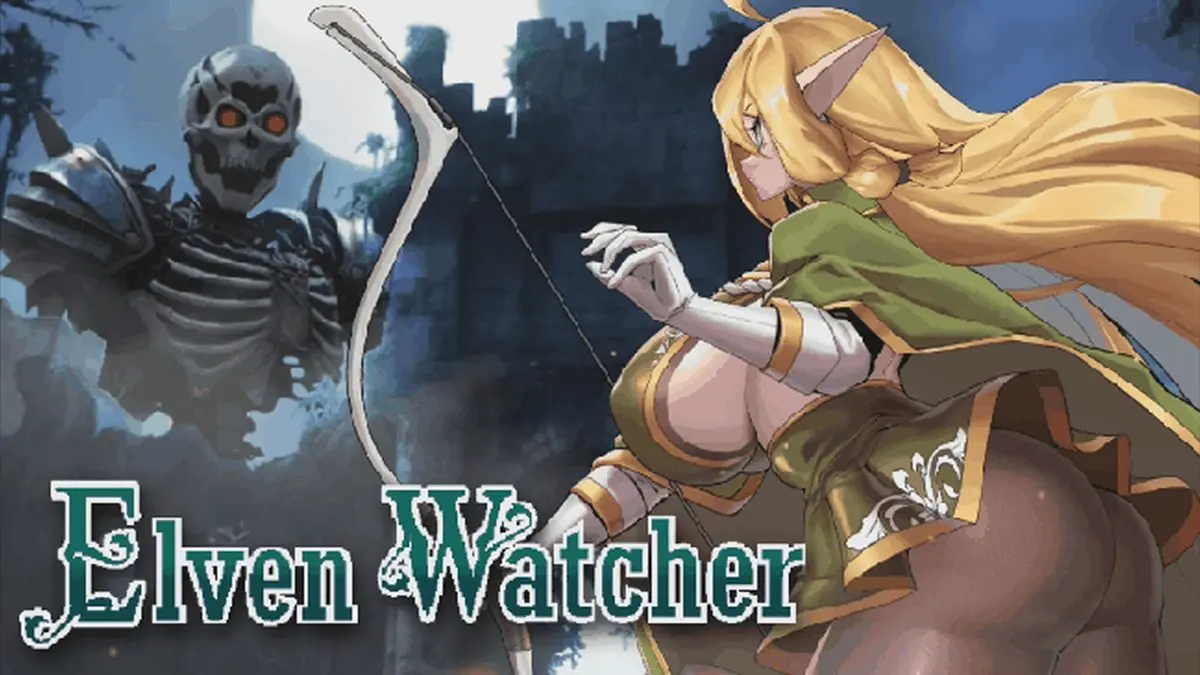
The indie team behind Last Devil just dropped details on their next project, and it’s not your typical “gotta catch ’em all” adventure. Set in a war-torn fantasy realm where Undead forces spread corruption through forbidden magic, Elven Watcher casts players as Lina, an Elven guardian defending her people’s sacred forest home.
The Steam announcement paints a world that feels more Game of Thrones than Pokemon. “The evil, heartless Undead used forbidden black magic from ancient times to create strange beasts and freaks, plunging the already war-torn continent into an even deeper hell,” the developers explain. It’s a bold narrative choice that could give the monster capture genre some much-needed storytelling depth.
“Elven Watcher: Either you capture monsters, or monsters capture you! Long, long ago, a multitude of races and species lived on the land. However, the struggle for survival was real, and conflict and disputes were inevitable.” — @uu on Twitter
What makes this especially interesting is how the developers are weaving world-building into gameplay mechanics. You’re not just collecting cute creatures for battles – you’re literally building a village while defending it from supernatural threats. The monsters you capture become part of your army, but they’re also tied to the survival of your people. That’s storytelling through gameplay design.
The 28 fully animated cutscenes promise to flesh out this dark fantasy world in ways most monster capture games skip entirely. Instead of brief victory animations, players get what sounds like a proper visual novel experience woven into the RPG mechanics.
But here’s where things get tricky for indie developers. Monster capture is a crowded genre, and most players expect the polished experience that big studios deliver. The creators of Last Devil have proven they can craft engaging games, but Elven Watcher needs to stand out in a market dominated by established franchises.
The village building element could be the hook that sets it apart. Most monster capture games focus purely on collection and battles, but adding base management creates a different kind of investment. When your captured creatures help build and defend your home, every recruitment feels more meaningful to the story.
There’s also the question of tone. Dark fantasy works great for RPGs, but monster capture games thrive on that sense of wonder and discovery. Elven Watcher needs to balance its grim world-building with the joy of finding and bonding with new creatures. Too dark, and it loses the genre’s core appeal. Too light, and the setting feels hollow.
The weather system adds another layer to consider. Different climates affecting both monsters and rewards suggests the developers are thinking about how environment shapes narrative. A corrupted wasteland should feel different from an ancient forest, and if the gameplay reflects those story beats, Elven Watcher could offer something special.
Customizable combat and gear systems hint at RPG depth beyond typical monster capture mechanics. This could attract players who want more strategic complexity than the genre usually offers. But it also risks overwhelming newcomers who expect simpler, more accessible gameplay.
The bigger picture here is how indie developers are pushing genre boundaries. While AAA studios stick to proven formulas, smaller teams like this one are experimenting with narrative-driven approaches to familiar mechanics. Elven Watcher represents a growing trend of story-first indie games that use popular gameplay loops to tell deeper tales.
Monster capture games have always been about forming bonds – with creatures, with other players, with the world itself. Elven Watcher’s dark fantasy setting asks whether those bonds can survive in a world where corruption spreads and survival isn’t guaranteed. That’s a more mature question than most games in this genre dare to ask.
The game’s Steam page is live for wishlisting, though no release date has been announced. Given the scope described – village building, monster capture, 28 animated scenes, and a full fantasy world – this feels like a project that needs time to get right.
For now, Elven Watcher represents an intriguing experiment in genre evolution. Whether it succeeds will depend on how well the developers balance their dark fantasy ambitions with the fundamental joy that makes monster capture games work. But just attempting that balance makes it worth watching.