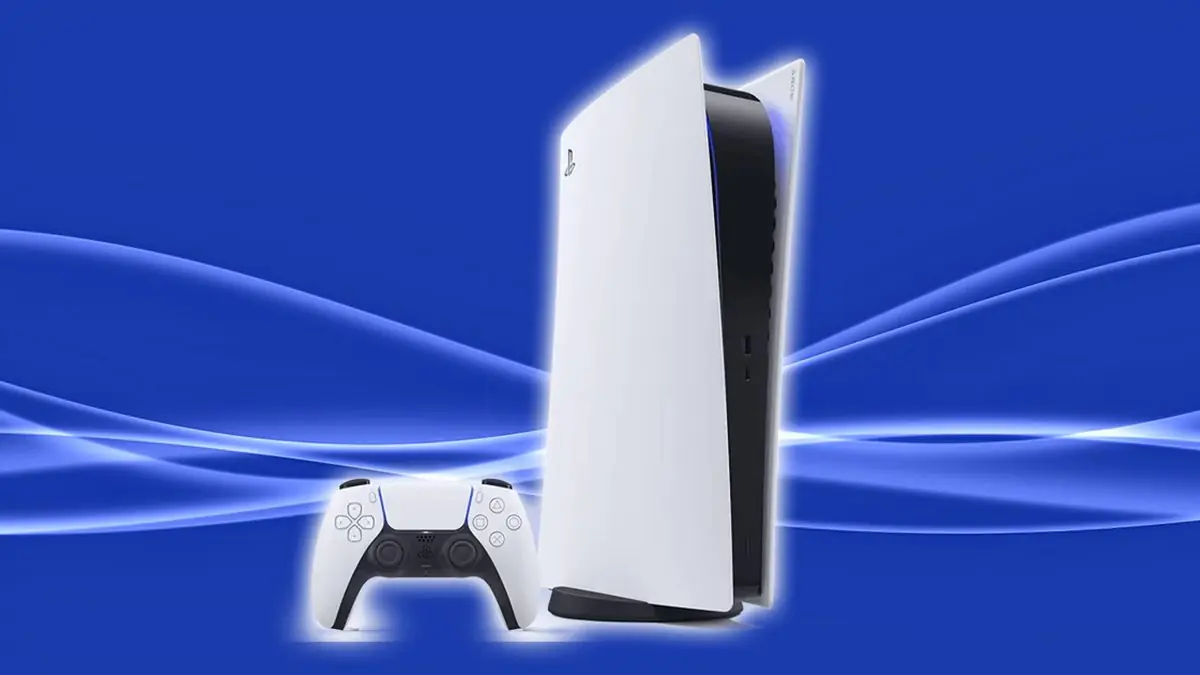
The PlayStation 5 just pulled off something nobody saw coming. Console sales have absolutely exploded in the US, smashing every 2026 record as gamers rush to grab hardware before the looming RAM crisis sends prices through the roof.
Advertisement“PlayStation 5 sees massive sales spike in the US, beating 2026 records so far as eager consumers rush to beat RAM crisis price hikes” — u/adriano26 on r/PS5
This isn’t your typical holiday rush or game launch spike. This is pure market psychology at work. Gamers are doing the math and realizing that if RAM prices go nuts, console prices will follow. The PS5’s 16GB of GDDR6 isn’t getting any cheaper when supply chains start breaking down.
From a specs perspective, this makes perfect sense. The PS5 packs serious silicon that’s already expensive to manufacture. We’re talking about a custom AMD RDNA 2 GPU, a Zen 2 CPU, and that high-speed SSD architecture. When component costs spike, Sony either eats the loss or passes it to consumers. Guess which one wins.
The timing couldn’t be better for Sony’s Q1 numbers, but worse for anyone who was planning to wait. Console availability has been solid lately after years of shortages, so people actually can buy these things. That’s a huge shift from 2021-2023 when finding a PS5 meant winning a digital lottery.
Smart buyers are also looking at this from a value angle. A $500 console today could easily be $600+ if component costs jump 20-30%. That extra hundred bucks buys a lot of games. The math is simple: buy now or pay more later.
But this panic buying creates its own problems. Retailers are already seeing stock levels drop fast in major markets. Best Buy, Target, and GameStop are moving units faster than they have since the initial launch frenzy. That means people who genuinely need to replace a broken console or were saving up for months might get stuck waiting.
The secondary market is starting to heat up too, though nothing like the scalper nightmare we saw during the shortage years. Prices on eBay and Facebook Marketplace are creeping up as people anticipate official price increases. It’s not full-blown scalping yet, but the signs are there.
What makes this situation different is the tech-savvy nature of today’s gaming community. These aren’t impulse purchases based on FOMO marketing. Gamers understand supply chains, component costs, and manufacturing economics better than ever. When they see RAM prices potentially spiking, they connect the dots to console pricing.
The broader hardware market is feeling similar pressures. Graphics card prices have been climbing steadily as manufacturers prepare for component cost increases. Gaming laptops, pre-built PCs, and even accessories are all seeing upticks in sales from the same forward-thinking buyers.
Sony’s probably thrilled with the sales boost, but they’re also watching component futures just as nervously as everyone else. They hedge against price swings where possible, but nobody’s immune to major supply disruptions. The PS5’s complex cooling system and custom chips make it especially vulnerable to cost increases.
This could be the last chance to grab a PS5 at current pricing. Once the RAM crisis hits full force, console manufacturers will have tough choices to make. They can absorb higher costs and kill their margins, reduce production to maintain profitability, or raise prices and deal with angry consumers.
Microsoft‘s Xbox Series X and S are seeing similar patterns, though the data isn’t as clear yet. Nintendo‘s Switch uses different memory tech, so it might dodge some of the impact, but no gaming hardware is completely safe from supply chain chaos.
For anyone still on the fence about buying, the window is closing fast. Component prices don’t usually reverse quickly once they spike, especially during supply disruptions. This isn’t like waiting for a Black Friday sale — it’s more like buying before a permanent price increase.
The next few months will show whether this buying surge was smart planning or unnecessary panic. But given how unpredictable hardware markets have become, betting on “buy now, save later” seems like the safer play. The PS5 will still play the same games at the same performance levels, but it might cost a lot more to get there.