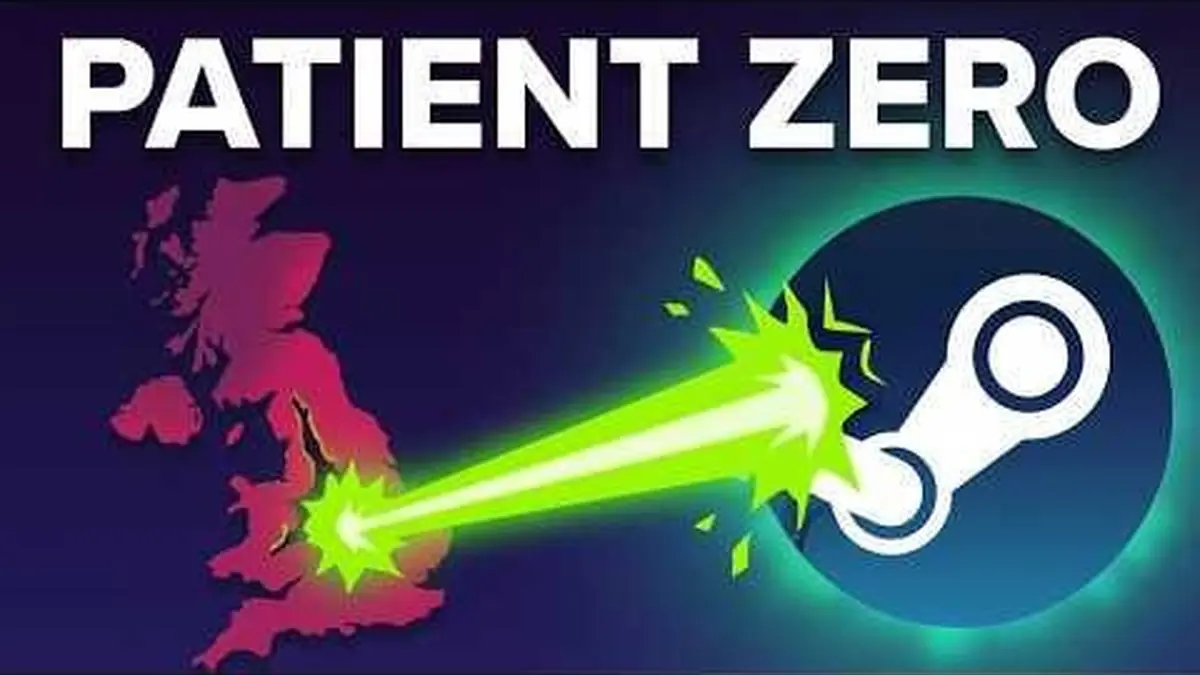
UK lawyers think they’ve got Valve dead to rights. They’re demanding £656 million ($900 million) from Steam over anti-competitive practices. The math is brutal though. If they win, each gamer gets maybe £22-£44. That’s barely enough for one indie game.
The lawsuit targets Steam’s 30% commission and their “most favored nation” clauses. Basically, they’re saying Valve strong-arms developers and rips off customers. It’s a big swing at the platform that pretty much owns PC gaming.
But here’s the thing. Every major platform takes 30%. Sony does it. Microsoft does it. Apple does it. It’s not like Steam invented this fee structure. They just happened to build the biggest storefront.
“The UK lawsuit against Valve seeks £656 million ($900 million), alleging Steam’s 30% commission and “most favored nation” clauses are anti-competitive. If successful, individual payouts are estimated at just £22-£44—barely enough for one game.” — @Ace_Catel
The real question is what Steam gives you for that cut. User reviews that actually matter. Refunds that don’t require a lawyer. Account recovery that works. System requirements that help you avoid disasters like Monster Hunter Wilds on launch day.
Steam even offered refunds when Monster Hunter Wilds ran like garbage on PC. Try getting that kind of service from Epic or Ubisoft. Good luck with that.
Other platforms? They’re jokes by comparison. Epic has free games and that’s about it. GOG has DRM-free stuff but zero community features. Ubisoft Connect exists to punish you for buying their games. Steam actually feels like it was built for gamers.
The lawsuit sounds good on paper. Competition is healthy. Fair prices matter. But this feels like punishing success rather than fixing real problems.
Here’s what nobody’s talking about. If Valve loses big, they’ll have to cut costs somewhere. New hardware development? Gone. Source Engine 2 updates? Delayed. Customer support? Reduced to bare minimum.
You want Steam to turn into another corporate wasteland like other platforms? Because that’s how you get there. When companies lose hundreds of millions overnight, they don’t just absorb it. They cut features. They reduce staff. They stop innovating.
Look at what happened to other platforms when they faced pressure. They got worse, not better. Less features, worse service, more restrictions. Is that really what UK gamers want?
The timing is suspect too. Steam Deck is taking off. Valve’s pushing Linux gaming forward. They’re actually innovating while everyone else copies their homework. Now suddenly they’re the bad guys?
Steam’s dominance didn’t happen by accident. They built something people actually want to use. Compare that to Microsoft’s Games for Windows Live disaster or EA’s Origin nightmare. Valve earned their market share.
The 30% cut funds real services. Cloud saves that work across devices. Workshop integration for mods. In-home streaming. Family sharing. VR support that doesn’t suck. Big Picture mode for couch gaming.
Strip away the revenue and those features disappear. You’ll get a barebones storefront that barely functions. Ask Windows Phone users how “competition” worked out for them.
This lawsuit could backfire spectacularly. Instead of lower prices, you might get worse service across the board. Valve stops investing in customer-friendly features. Other platforms see no reason to improve. Everyone loses except the lawyers.
The £22 payout is insulting too. Class action lawsuits are supposed to fix real harm. What harm exactly? Steam offers better refund policies than brick-and-mortar stores. Their regional pricing helps gamers in poorer countries. Their sales events save people serious money.
If you want to attack anti-competitive practices, go after mobile app stores with their 30% cuts and zero alternatives. Go after console manufacturers who lock down their systems completely. Don’t target the one platform that actually listens to customers.
Valve isn’t perfect. Steam’s UI could use work. Customer service could be faster. But they’re light-years ahead of the competition in terms of actual value delivered.
The lawsuit verdict could drop any time in the next year or two. If it goes against Valve, expect immediate changes to Steam’s business model. Fewer features, higher prices, worse service. That’s how companies respond to massive financial hits.
Meanwhile, other platforms will keep their 30% cuts and offer worse service. Because apparently that’s not anti-competitive somehow. Makes perfect sense.
UK gamers should think carefully about what they’re asking for. Sometimes the devil you know is better than the corporate hellscape you don’t.