The stories we tell ourselves about gaming’s golden age are getting harder to maintain. What was once a curated journey through digital worlds has become something closer to wading through a digital flea market, where every third stall sells the same knockoff cleaning simulator.
A Steam user recently captured this cultural shift in stark terms, describing what they see as gaming’s current apocalypse:
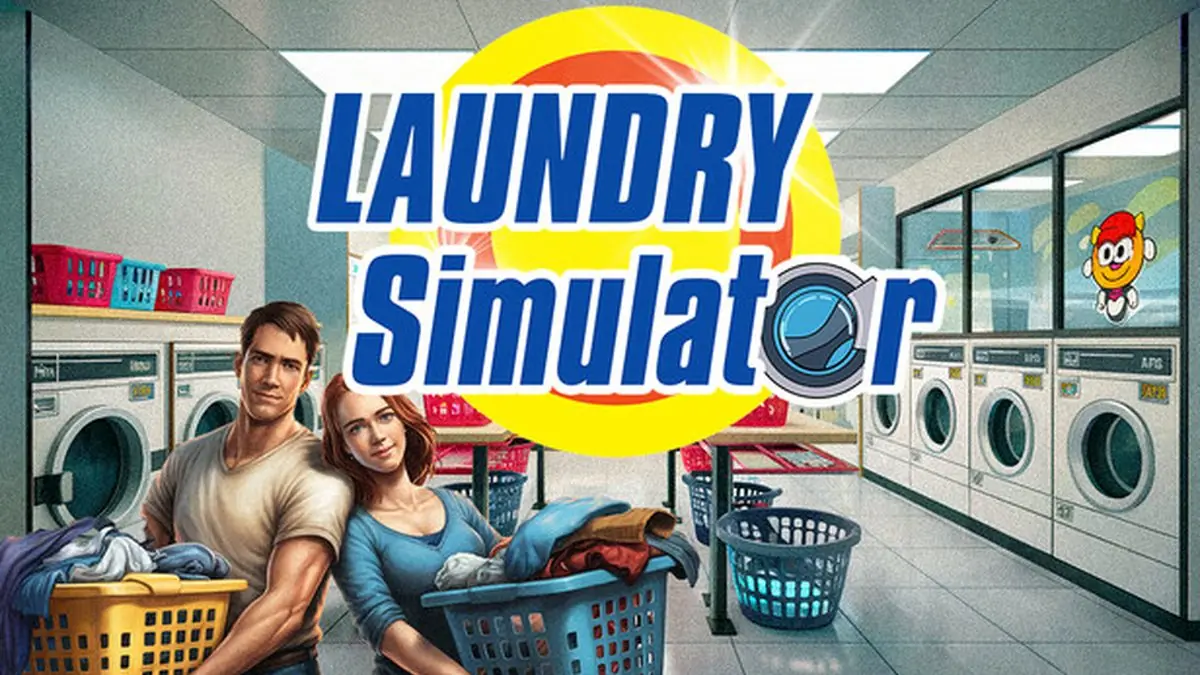
“This is starting to feel like the gaming end times. Almost half the stuff recommended to me on Steam can be summed up as either ‘bad job’ simulators, or cleaning titles (clean this park; clean this island; clean this… railroad station?). I get that Steam is basically a digital pimp, and will trick out anything that saunters through the door. But I cannot remember ever seeing this much pure slop.” — u/LastTraintoSector6 on r/Steam
The language is harsh, but it speaks to a deeper narrative crisis in gaming culture. We’re not just talking about bad games here — we’re talking about the erosion of discovery itself.
The complaints aren’t really about cleaning games existing. They’re about the algorithm’s inability to understand the difference between a labor of love and a cash grab. When your recommendation feed becomes a monotonous stream of “Janitor Simulator 2024” and “Dishwasher: The Game,” it’s not just annoying — it’s culturally destructive.
These titles represent a kind of creative bankruptcy that goes beyond simple shovelware. They’re digital content farms, designed to exploit Steam’s open ecosystem without contributing anything meaningful to the medium’s ongoing story. They’re the gaming equivalent of those AI-generated YouTube videos that flood search results — technically functional, but soulless.
What makes this particularly troubling is how it affects the discovery of genuine indie gems. Steam’s marketplace was supposed to be the great democratizer, where small developers could find their audience without needing a major publisher. Instead, it’s become a place where quality content gets buried under an avalanche of algorithmic exploitation.
The cultural impact runs deeper than just individual frustration. When platforms prioritize engagement over quality, they shape what gets made. Developers see these low-effort titles getting visibility and might be tempted to follow suit. It’s a race to the bottom that threatens the very storytelling traditions that make gaming special.
Steam’s hands-off approach made sense when the platform was smaller and more curated by community interest. But as the ecosystem has grown, that philosophy has created space for what users are calling “pure slop” — content that exists solely to game the recommendation system rather than entertain or inspire.
The metaphor of Steam as a “digital pimp” is provocative but revealing. It suggests a platform that’s lost its editorial voice, willing to promote anything that might generate a transaction. That’s a far cry from the curatorial role that gaming platforms once played in shaping taste and discovering talent.
This isn’t just about Steam, either. It’s about the broader tension between algorithmic curation and human judgment in creative spaces. When machines decide what art gets seen, they often prioritize quantity and engagement over quality and meaning.
The gaming community has always been good at self-correction, though. Word of mouth, streamer recommendations, and community reviews have historically served as quality filters. But those systems work better when there’s some baseline level of curation from the platform itself.
Some possible solutions are emerging from the community. Better tagging systems, improved user review weighting, and more sophisticated recommendation algorithms that consider play time and completion rates rather than just clicks and purchases.
Steam could also implement stricter quality thresholds for visibility in recommendations, similar to how app stores have minimum quality standards. The goal wouldn’t be censorship but rather ensuring that recommendation feeds actually recommend something worth playing.
The bigger question is whether platforms like Steam can evolve their algorithms to better understand the difference between genuine creative expression and exploitative content farming. It’s a challenge that goes to the heart of how we discover and value digital art.
For now, gamers are adapting. They’re relying more on curators, following specific developers, and using community recommendations to cut through the noise. It’s a return to older forms of discovery that predate algorithmic feeds.
But that puts the burden back on individual users to curate their own experience. That’s not necessarily bad, but it does represent a step backward from the promise of intelligent recommendation systems that could introduce us to games we’d never find on our own.
The “gaming end times” might be overstating things, but the sentiment reflects a real concern about the health of gaming culture. When discovery becomes more difficult, when quality gets buried under quantity, it affects what stories get told and which voices get heard.
The next chapter of this story depends on whether platforms like Steam can find a balance between openness and curation, between algorithmic efficiency and human judgment. The future of gaming discovery — and maybe gaming culture itself — hangs in that balance.