Sometimes the most interesting mysteries aren’t found in the games themselves, but in how they’re sold. That’s exactly what one sharp-eyed Steam user discovered when they caught Crime Scene Cleaner red-handed in what appears to be a classic bait-and-switch pricing scheme.
The story unfolds like a detective tale worthy of the game’s own crime-solving premise. A patient gamer had been watching Crime Scene Cleaner on their wishlist, waiting for the right moment to buy. The game sat comfortably at $32.50 CAD — not exactly breaking the bank, but worth waiting for a sale. Then something strange happened.
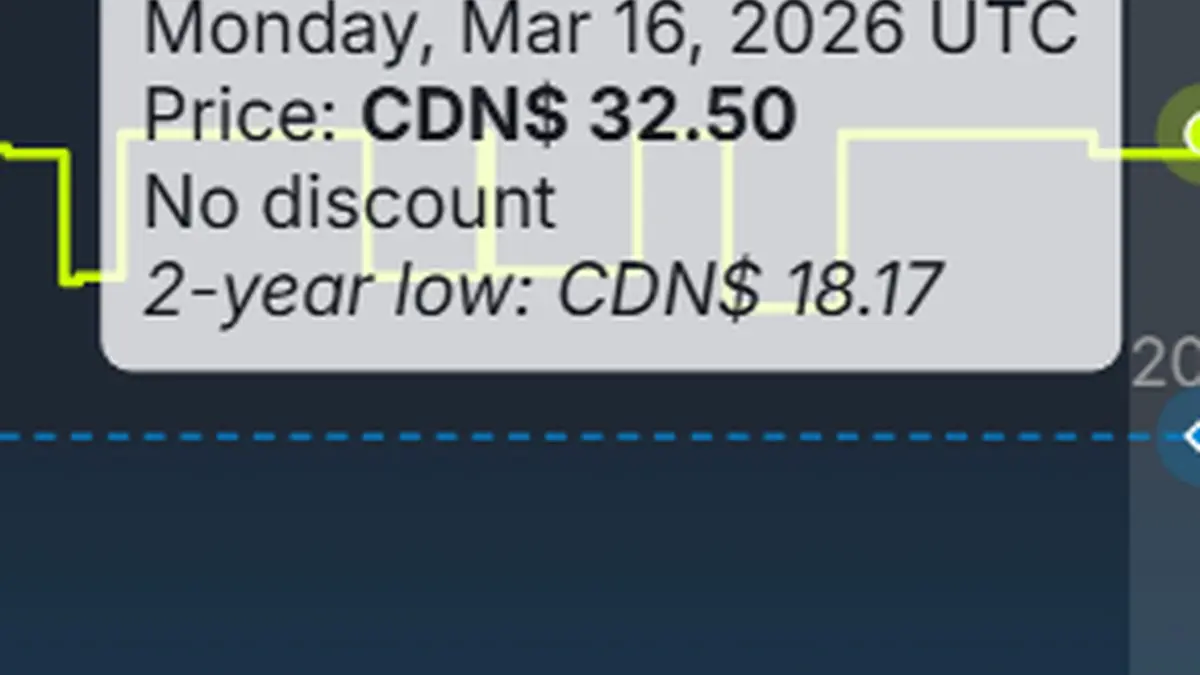
“I’ve had a certain game on my wishlist for quite a while now, and at first I was waiting to see if the game’s price would drop. It’s not very expensive at all, it sits at $32.50 CAD. Pretty recently, however, I noticed a sale happening, but the game’s price was still the same. However, it was marked as -40% off from $50, which brought the game’s ‘new price’ to $31.58 CAD.” — u/Remarkable_Pace6189 on r/Steam
The math tells the whole story. Crime Scene Cleaner’s regular price was $32.50. But when sale time rolled around, the developers apparently inflated the base price to $50, then slapped a shiny “-40% off” sticker on it. The “discounted” price? $31.58 — barely a dollar less than the original asking price.
It’s the digital equivalent of those furniture stores that seem to have perpetual “50% off” sales. You know the ones — where everything is supposedly half price, but somehow the “sale” prices never change and always feel suspiciously high.
What makes this particularly fascinating is how it reveals the psychology of digital storefronts. That red percentage tag carries weight. It whispers promises of smart shopping and limited-time opportunities. Even when the actual savings are minimal, our brains light up at the suggestion of a deal.
This isn’t just about Crime Scene Cleaner, though. This practice potentially exposes a much larger crack in Steam’s ecosystem. If one game can manipulate its pricing this blatantly, how many others are doing the same thing? The user who discovered this couldn’t even figure out how to report it to Steam Support, which raises uncomfortable questions about oversight and consumer protection.
The timing feels particularly relevant as digital storefronts continue to dominate gaming commerce. When physical stores pulled these tricks, you could at least comparison shop easily or remember what something cost last week. Digital prices are more fluid, more forgettable. Screenshots and third-party tracking sites like SteamDB become the only way to hold stores accountable.
There’s something almost poetic about a game literally called Crime Scene Cleaner being caught in what many would consider a fraudulent practice. The irony writes itself — a game about cleaning up messes while creating an ethical mess of its own.
From a storytelling perspective, this incident represents a broader narrative about trust in digital spaces. Every fake discount chips away at the relationship between developers and players. When you can’t trust the price tag, what else might be misleading?
The legal landscape around digital pricing remains murky. Different countries have different rules about what constitutes false advertising. Some require a product to be sold at its “regular” price for a certain period before it can be discounted. Others are more lenient. Steam operates globally, which complicates enforcement and creates opportunities for exploitation.
What happens next will be telling. Will Steam implement stricter pricing policies? Will they create clearer reporting mechanisms for suspicious discounts? Or will this become another cautionary tale that fades into the background noise of digital commerce?
The Crime Scene Cleaner incident might seem small, but it illuminates larger questions about digital marketplace integrity. In a world where algorithms and artificial scarcity drive purchasing decisions, transparency becomes more valuable than ever. Players deserve to know when they’re getting a real deal versus marketing theater.
As this story continues to unfold, it serves as a reminder that the most important investigations sometimes happen outside the games themselves — in the very systems that bring those games to our libraries.