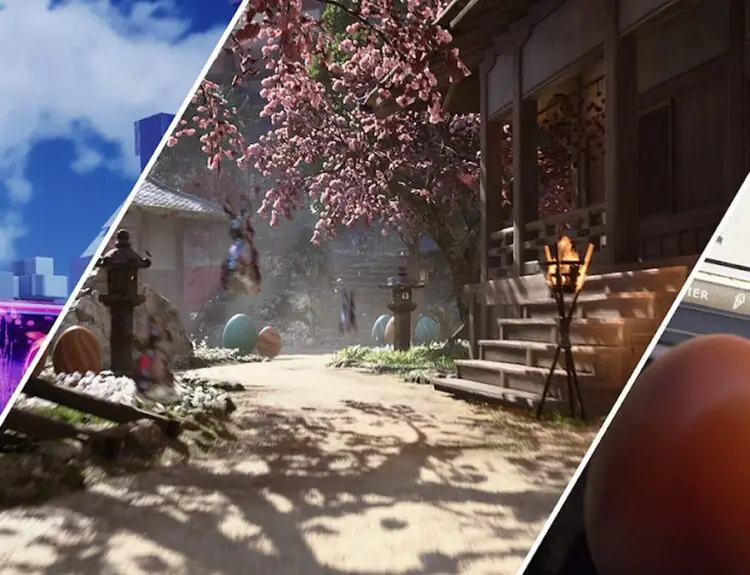
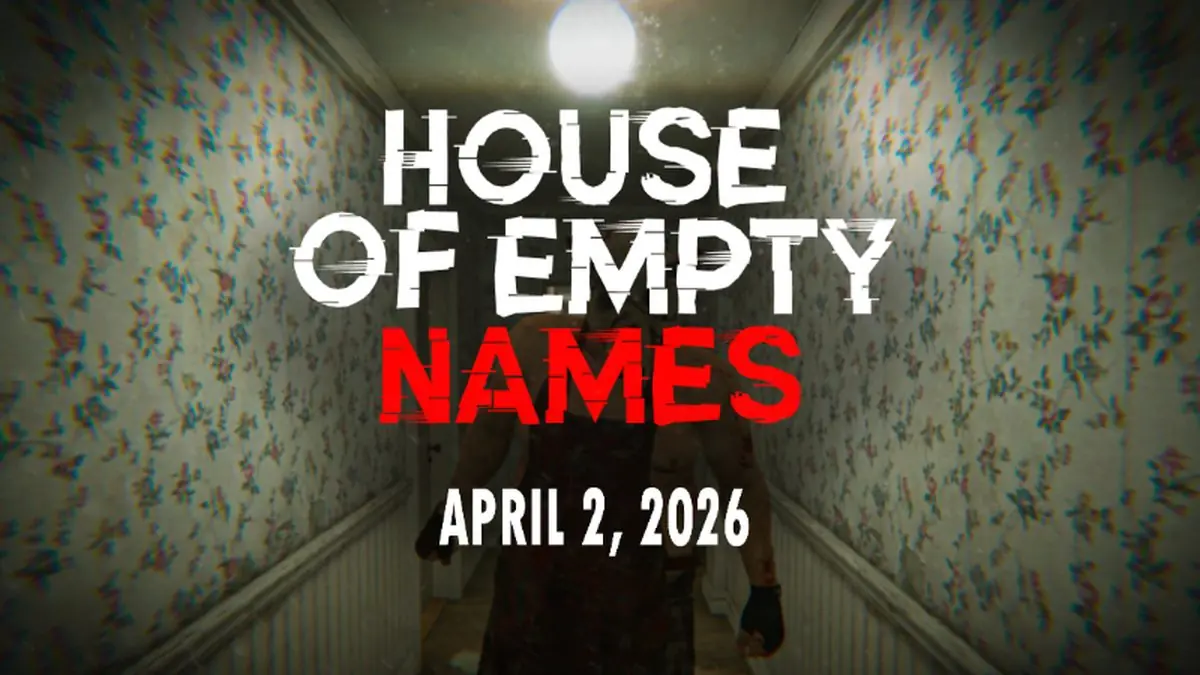
The indie gaming landscape welcomed another contender today as Duck’s House of Empty Names officially launched on Steam, marking not just another release date but a reflection of how smaller studios approach player relationships in 2026.
While major publishers often rely on traditional support tickets and FAQ pages, Duck’s approach signals a broader trend among independent developers who recognize that direct community engagement can make or break a launch.
“Release on April 2nd. The wait is over! We’re excited to announce that House of Empty Names will be released on April 2nd. Please don’t hesitate to reach out to us on Discord for any questions.” — @Duck
The emphasis on Discord support isn’t merely a convenience feature — it represents a calculated strategy that has become increasingly common among indie studios over the past two years. Meanwhile, larger publishers continue to struggle with community management at scale, often leaving players frustrated with automated responses and lengthy wait times.
Notably, this direct communication model has proven effective for studios with limited resources. When a single developer or small team can personally address player concerns in real-time, it often creates stronger brand loyalty than expensive customer service departments. The approach also allows for rapid iteration based on player feedback, something that has become crucial in Steam’s competitive marketplace.
The timing of House of Empty Names’ release is particularly interesting from an industry perspective. April traditionally sees fewer major releases as publishers often save their biggest titles for summer or holiday windows. This creates opportunities for indie games to capture attention that might otherwise be overshadowed by blockbuster marketing campaigns.
Steam’s algorithm tends to favor engagement metrics, and games that generate early discussion — whether through Discord communities or social media buzz — often benefit from increased visibility in the platform’s recommendation systems. Duck’s proactive community approach suggests they understand these dynamics well.
Meanwhile, the broader indie scene has been grappling with discoverability challenges throughout 2026. With thousands of games launching weekly on Steam, even quality titles can disappear without proper marketing or community building. The developers who have found success this year often share Duck’s philosophy of treating launch day as the beginning of an ongoing conversation rather than the end of development.
The Discord support model also reflects changing player expectations. Modern gamers, particularly those in the indie space, often prefer direct access to developers over traditional support channels. They want to understand design decisions, suggest improvements, and feel heard when encountering technical issues. This represents a significant shift from the traditional developer-publisher-consumer hierarchy that dominated gaming for decades.
Notably, this approach isn’t without risks. Direct community engagement requires developers to manage public relations, technical support, and ongoing development simultaneously. Not every studio has the bandwidth or temperament for this level of interaction. However, for those who can execute it effectively, the benefits often outweigh the challenges.
The success of games like Hades, Hollow Knight, and more recently, titles from studios that built strong Discord communities before and after launch, has created a template that smaller developers increasingly follow. Duck appears to be betting on this proven strategy.
From a technical standpoint, Discord’s integration capabilities make it an attractive platform for game developers. They can create dedicated channels for bug reports, feature requests, and general discussion, creating organized feedback loops that traditional forums often lack. The real-time nature of Discord also allows for immediate clarification when players encounter issues or confusion.
As House of Empty Names begins its Steam journey, its success will likely depend less on marketing budget and more on Duck’s ability to foster genuine community engagement. The indie gaming space has become increasingly crowded, but it has also become more receptive to developers who treat their players as collaborators rather than customers.
Looking ahead, House of Empty Names will need to sustain momentum beyond launch day. The games that thrive in today’s market are those that continue evolving based on player feedback while maintaining clear creative vision. Duck’s commitment to Discord support suggests they understand this balance, but execution will ultimately determine whether this launch translates into long-term success.
The broader implications extend beyond any single game release. As more indie developers adopt community-first strategies, player expectations continue to evolve. The studios that adapt to these changing dynamics often find themselves with more engaged audiences and more sustainable development cycles.