Eight years. That’s how long it takes to build something real.
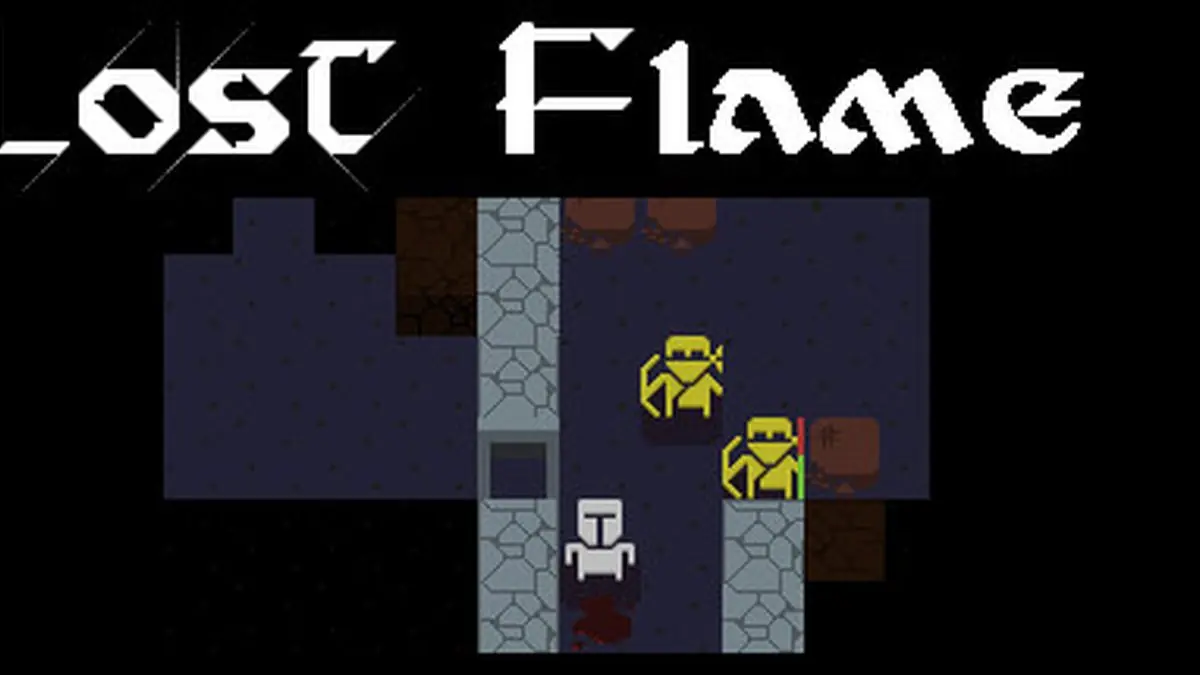
Lost Flame just hit version 1.0. Developer hugeowl dropped the news like it was nothing special. But anyone who’s watched an indie project grow knows better. Eight years of nights and weekends. Eight years of “just one more feature.” Eight years of doubt.
Now it’s done.
“1.0 version is available. Changing the version label to 1.0 was such a special moment for me – Lost Flame has been part of my life for past 8 years, and while I still have a backlog of over 500 items I would want to do, I think it’s time to say that the game is finished.” — Lost Flame on Steam
The update isn’t just a number bump. This is the biggest content drop the game has seen. Every single item now has flavor text. Every enemy has lore. That’s hundreds of new entries. Most devs would call it done after basic functionality. Not this one.
The real meat is in the materials rework. Obsidian and adamantite were always placeholder names. Now they’re gone. Obsidian becomes gryf-steel – heavier, sturdier, makes sense for late-game gear. Standard upgrade path stuff.
But Lestrite? That’s different.
This isn’t your typical fantasy metal. It’s biological. Deep-red stone from the Abysm. Bonds with your body. Zero encumbrance because it becomes part of you. Smart design choice that actually means something.
The Carapace system throws out everything you know about armor. Lestrite gear has 0 Armor rating. Instead you get Carapace – a regenerating damage layer that feeds off your stamina. Run out of stamina and your protection stops. Period.
It’s risk-reward done right. High-tier protection that demands resource management. No mindless face-tanking. You have to think about every engagement. When to push. When to pull back and let your defenses rebuild.
Lestrite weapons scale with intelligence instead of strength. They hit as hard as gryf-steel but cost more stamina per swing. Another tactical choice. Big damage but you can’t spam attacks forever.
This is systems design that respects the player. No hand-holding. No safety nets. You want the best gear? Learn to manage your resources.
Lost Flame represents something important in the indie space. While AAA studios pump out carbon-copy sequels, solo devs are building worlds that actually innovate. Eight years for one person to create something this detailed. That’s dedication you don’t see in corporate boardrooms.
The game launched without fanfare. No marketing blitz. No influencer campaigns. Just a Steam post and a Discord invite. Old school approach in an industry obsessed with hype.
That restraint shows confidence in the product. The game speaks for itself. Hundreds of hours of content. Deep mechanical systems. Rich lore. All from one person who refused to compromise their vision.
Indie RPGs are having a moment. Disco Elysium proved narrative depth sells. Baldur’s Gate 3 showed turn-based combat still works. Lost Flame adds another data point – complex mechanical systems can coexist with rich storytelling.
The timing is perfect. Gamers are hungry for depth over flash. For systems that reward mastery. For worlds that feel handcrafted instead of algorithmically generated.
Hugeowl isn’t done yet. The 500-item backlog stays. Future content is planned. Bug fixes are guaranteed. This isn’t a launch-and-abandon situation.
The Discord community is growing. Early adopters are sharing builds. Testing edge cases. Finding synergies the developer didn’t expect. That’s how good systems design works – emergent gameplay that surprises even the creator.
Version 1.0 doesn’t mean the journey ends. It means the foundation is solid. Everything built on top of it will be stronger.
Lost Flame proves patience pays off. Eight years to build something right beats rushing to market with half-finished systems. The game industry needs more developers like hugeowl. More projects that prioritize depth over deadlines.
Steam page is live. Discord is active. The wait is over.
Time to see what eight years of dedication looks like.