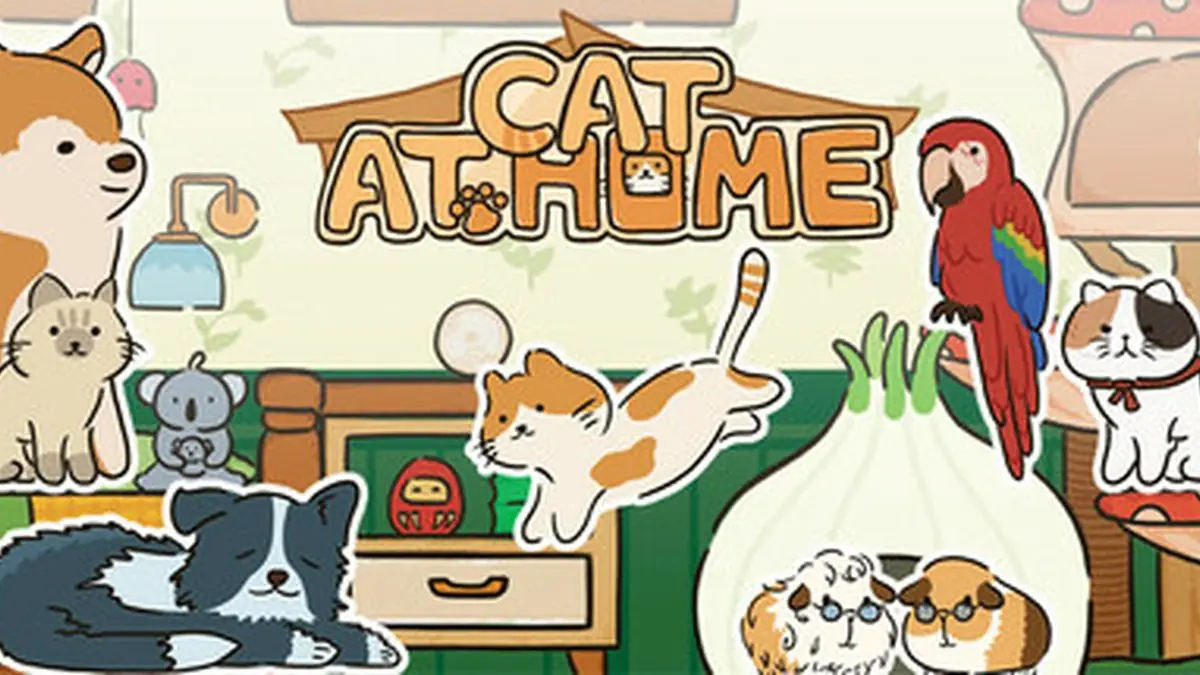
There’s something beautifully honest about a small game studio asking for help. In an industry where AAA publishers spend millions on marketing campaigns, Liquid Meow Games just launched Cat at Home with a simple message: play our game, and if you like it, please tell others.
It’s the kind of vulnerable, direct communication that makes indie gaming feel like a community rather than a marketplace. And in a world where cat videos rule the internet, a cat-themed puzzle game feels like the natural evolution of our collective digital obsession.
“Cat at Home is Now Released! Hello everyone, Our cat-themed puzzle game officially launches today! We’re offering a 10% launch discount for 12 days. We’ve also created a bundle with many similar games, which will provide additional discounts. We’re also very happy to announce that our game is rated ‘Playable’ on the Steam Deck compatibility report! If you own this device, consider experiencing our game on the handheld. Finally, please consider leaving a review — it really helps support this game and enables me to help us release more titles. Hope you enjoy the game!” — Cat at Home on Steam
The timing couldn’t be more perfect. We’re living in what historians might one day call the Great Cat Game Renaissance. From Stray’s cyberpunk alley exploration to Little Kitty, Big City’s urban adventures, developers have discovered that cats aren’t just internet content — they’re compelling game protagonists with built-in emotional hooks.
Cats embody mystery, independence, and curiosity — the perfect traits for puzzle-solving adventures. They move through spaces differently than humans, seeing hidden paths and opportunities we might miss. When you’re guiding a digital cat through challenges, you’re not just solving puzzles; you’re channeling that feline perspective on the world.
What makes Cat at Home’s launch story particularly compelling is how it reflects the current state of indie development. Small studios like Liquid Meow Games are creating games with heart, but they’re also navigating an increasingly crowded marketplace where visibility is everything. The Steam store receives hundreds of new releases weekly, making every launch a David-and-Goliath story.
The Steam Deck compatibility is more than just a technical checkbox — it’s a narrative choice about how and where we experience games. There’s something poetic about solving cat puzzles while curled up on a couch, the handheld device creating its own kind of cozy gaming nest. The “Playable” rating means the game works well on Valve’s portable powerhouse, extending its reach beyond desktop players.
The bundle strategy tells another layer of the story. By partnering with similar puzzle games, Liquid Meow Games is acknowledging that their audience likely has specific tastes and interests. It’s collaborative rather than competitive — a recognition that the puzzle game community is small but passionate, and that lifting each other up benefits everyone.
But the most interesting narrative thread is that personal request for reviews. In the pre-digital era, word-of-mouth happened organically through conversations and recommendations. Now, that social proof is systematized through rating systems and algorithmic promotion. A few dozen positive reviews can mean the difference between a game finding its audience and disappearing into the digital void.
This creates a strange intimacy between developers and players. Liquid Meow Games isn’t just asking people to buy their game — they’re asking them to become part of the story of the studio’s future. Every review is a small act of creative patronage, a way of saying “I want to see what you make next.”
The cat game trend also reflects something deeper about our relationship with digital spaces. Cats represent comfort, companionship, and the simple pleasure of existing in a space without agenda. In an era of intense, competitive gaming experiences, cat games offer something different: contemplation, patience, and the joy of small discoveries.
Puzzle games have always been about finding order in chaos, but cat puzzle games add an element of whimsy that makes the problem-solving feel less like work and more like play. They tap into our desire to care for something, to guide a small creature through challenges, to be responsible for someone else’s journey.
The launch discount creates urgency, but it’s gentle urgency — a 12-day window that feels generous rather than pressured. It suggests confidence in the product while acknowledging the economic realities of indie game development, where every early sale helps fund the next project.
Looking ahead, Cat at Home represents more than just another puzzle game launch. It’s a case study in authentic indie marketing, community building, and the power of simply asking for help. In a gaming landscape often dominated by corporate messaging and manufactured hype, there’s something refreshing about a developer who just wants to make good games and hopes you’ll support that mission.
Whether Cat at Home finds its audience will depend on more than just the quality of its puzzles. It’ll depend on whether the gaming community embraces the story Liquid Meow Games is telling — one of small dreams, creative collaboration, and the simple belief that good games deserve to find their people.