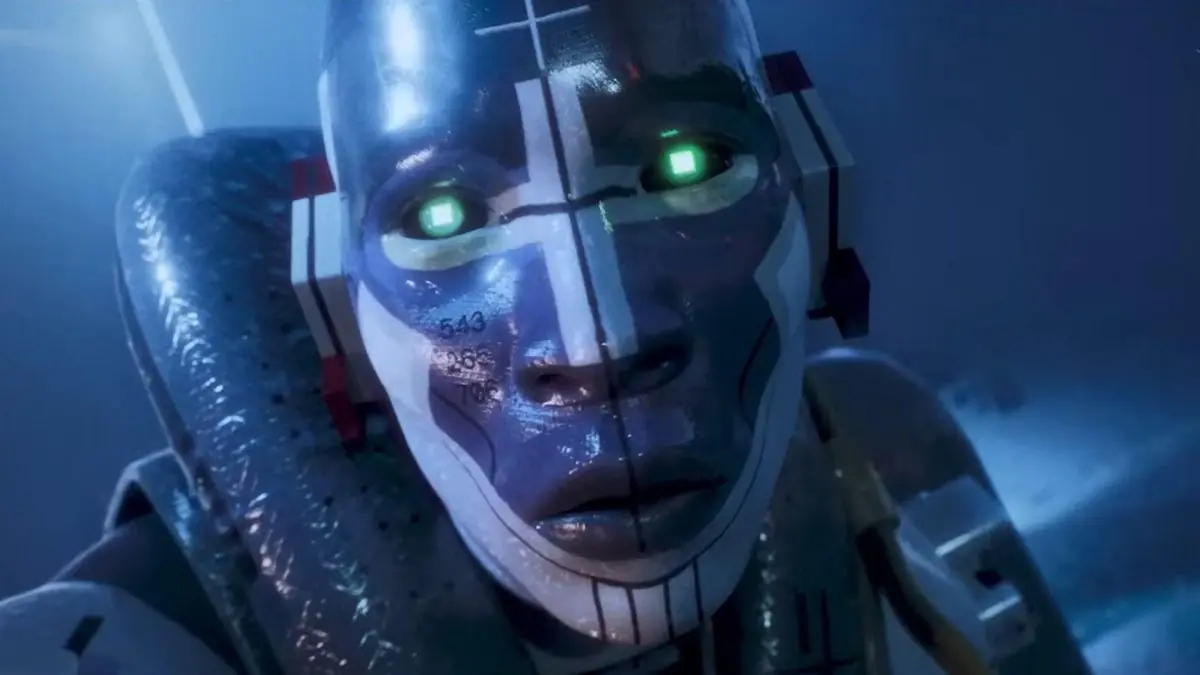
Remember when everyone thought Marathon was going to be Bungie’s triumphant return to their sci-fi roots? Yeah, about that. The numbers are in, and they’re not pretty. Bungie’s attempt to resurrect their classic Marathon universe has face-planted harder than a Spartan without shields.
The reality check came in the form of sales figures that would make even the most optimistic Bungie fan wince. We’re talking about a franchise that helped define sci-fi gaming in the ’90s, and now it’s struggling to find its footing in 2026’s crowded gaming landscape.
“Marathon sold just 1.2 million copies with nearly 70% on Steam, analyst estimates: ‘It hasn’t exactly made the splash Sony and Bungie wanted'” — u/Freki666 on r/pcgaming
That’s the cold, hard data right there. 1.2 million copies. For context, that’s the kind of number that gets executives sweating and developers wondering what went wrong. When you’re Bungie — the studio that created Halo and turned Master Chief into a household name — 1.2 million feels like showing up to a lightsaber duel with a butter knife.
What’s particularly telling is that Steam grabbed nearly 70% of those sales. That’s not necessarily surprising in today’s PC-dominated market, but it does highlight how the gaming landscape has shifted since Marathon’s heyday. PC gamers clearly showed up for the nostalgia trip, but console players? Not so much.
The phrase “hasn’t exactly made the splash” is doing some heavy lifting here. In corporate speak, that’s basically admitting the game belly-flopped into the pool while everyone was watching. Sony and Bungie went into this expecting fireworks and got sparklers instead.
This is giving me serious Star Wars sequel trilogy vibes — not in terms of quality necessarily, but in how legacy sci-fi properties can struggle to recapture that original magic. Marathon was groundbreaking in the ’90s with its intricate lore, AI companions, and philosophical undertones about humanity’s relationship with artificial intelligence. It was Blade Runner meets Doom, years before either concept became mainstream in gaming.
But here’s the thing about sci-fi — it ages weird. What felt cutting-edge and prophetic in 1994 might feel quaint or overly familiar in 2026. We’re living in an era where AI is part of daily conversation, where space exploration is back in the news, where cyberpunk aesthetics are everywhere. Marathon’s once-unique blend of hard sci-fi and philosophical depth is now competing with dozens of games exploring similar themes.
The numbers also raise questions about franchise revival fatigue. We’ve seen Hollywood struggle with this for years — how many times can you reboot a property before audiences just stop caring? Gaming is hitting that same wall. Between Marathon, various Star Wars games, and countless other legacy revivals, players might be getting pickier about which nostalgic journeys they’re willing to take.
There’s also the Bungie factor to consider. This is the same studio that spent a decade building Destiny into a powerhouse, only to see it struggle with player retention and corporate drama. Marathon was supposed to be their fresh start, their return to single-player storytelling and tight narrative focus. Instead, it’s looking like another stumble in what’s becoming a concerning pattern.
The Steam dominance is actually the most interesting part of this story. It suggests Marathon found its audience — they just weren’t where Sony expected them to be. PC players, especially those old enough to remember the original games, were clearly hungry for this return. But that 30% split across PlayStation and other platforms? That’s rough for a first-party Sony title.
So what’s next for Marathon? In the short term, probably some soul-searching at Bungie headquarters. 1.2 million copies isn’t a disaster — plenty of games would kill for those numbers — but for a AAA revival of a beloved franchise backed by Sony money, it’s definitely not the victory lap anyone was hoping for.
The bigger question is whether this kills the Marathon revival before it really gets started. Bungie has talked about this being the beginning of a new era for the franchise, potentially spanning multiple games and media. Those plans might be getting some serious reassessment right about now.
But here’s my sci-fi nerd take: maybe this isn’t the end. Maybe it’s just the awkward middle chapter where everything seems hopeless before the big comeback. Marathon’s universe is too rich, too ahead of its time, to die from one underwhelming sales report. Sometimes the best sci-fi stories are about persistence in the face of seemingly impossible odds.
The question is whether Bungie and Sony have the patience to play the long game, or if they’ll cut their losses and move on to the next big thing. In a universe full of AIs and cosmic mysteries, 1.2 million copies might just be the beginning of a much bigger story.