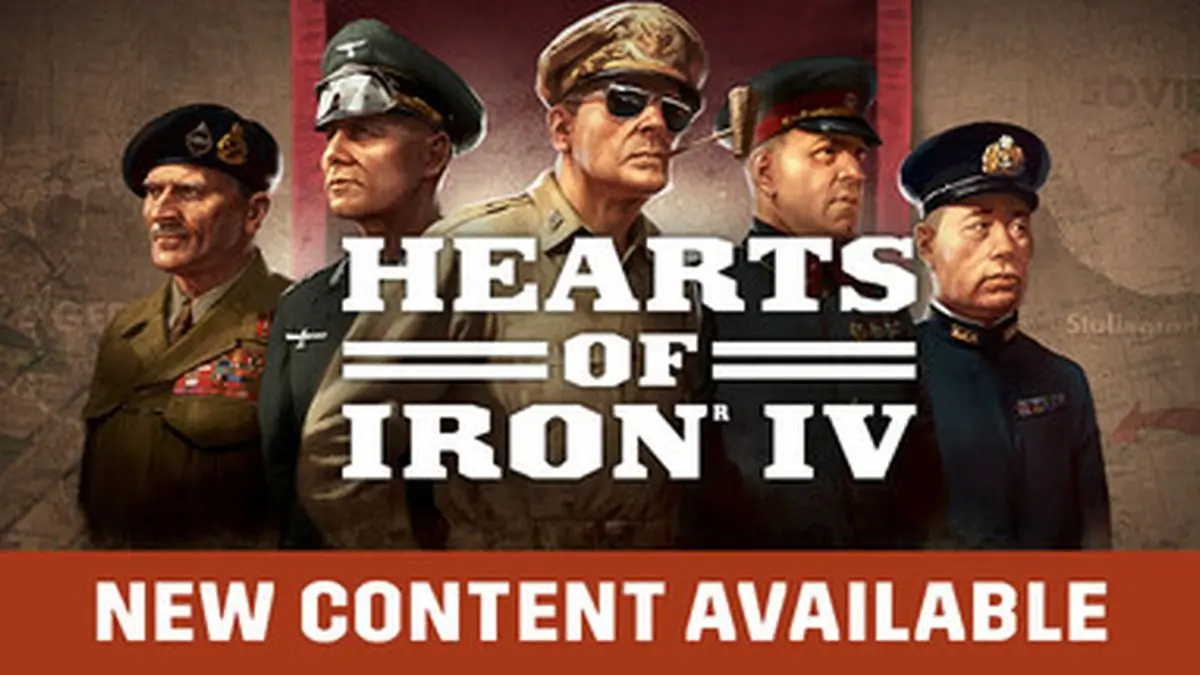
Paradox Interactive just hit a wall that every UI designer dreads: they’re officially out of space. Hearts of Iron’s country selection screen is maxed out after squeezing in countries from last year’s “No Compromise, No Surrender” DLC, and with “Thunder at our Gates” coming soon, something had to give.
The solution? A complete overhaul that’s actually pretty smart.
“With the addition of more countries when we released No Compromise, No Surrender last year, we just managed to fit the new countries in the country selection screen’s flags section. It was an interesting challenge, but using some pixel precision we managed to squeeze them all in. Now, with the release of Thunder at our Gates around the corner, we’re facing the same problem; the UI is maxed out and there is no more space for more flags.” — Hearts of Iron Developer Update on Steam
This isn’t just about cramming more flags into a tiny space. The developers are building a proper filter system that’ll actually make finding countries easier. Right now, hunting for a specific minor nation among dozens of flags is like playing Where’s Waldo with national emblems.
The technical challenge here is real. Hearts of Iron has to support the smallest screen resolutions, so they can’t just make the window bigger. Instead of a band-aid fix, they’re rebuilding the whole system from the ground up. That’s the kind of forward-thinking approach that separates good developers from ones who just slap patches on problems.
The new filter system goes way beyond just solving space issues. Players will be able to sort countries by region, playstyle, or alliance membership. More importantly, the system will highlight countries with updated content and suggest nations you haven’t played yet. It’s like having a smart recommendation engine built right into the game.
For players, this means no more scrolling through endless flags trying to remember where Estonia is positioned, or which minor power got new focus trees in the latest patch. The filters will let you jump straight to what you’re looking for, whether that’s a specific challenge or just your favorite nation to replay for the hundredth time.
The content highlighting feature is particularly clever. The game will track which versions of each country you’ve played, then flag nations that have received updates since your last campaign. This solves a common problem where players miss new content because they don’t realize their favorite minor nation got a rework.
Here’s where it gets interesting for the modding community: the filter system uses scriptable groupings. This means modders can create custom categories and sorting options. Want to group countries by historical accuracy? Difficulty level? Meme potential? The scripting system should make all of that possible.
This kind of modding support shows Paradox understands their community. Hearts of Iron has one of the most active modding scenes in strategy gaming, and giving modders tools to improve the basic UI experience is a smart move. It’s the difference between supporting mods and actively empowering them.
The timing isn’t coincidental either. “Thunder at our Gates” is adding more countries to an already crowded selection screen, but this update positions the game to handle future DLCs without hitting the same wall again. It’s scalable design that should prevent this exact problem from recurring.
Looking ahead, this UI overhaul could set the template for how Paradox handles similar challenges across their other grand strategy games. Europa Universalis and Crusader Kings face the same space constraints as they add more start dates and playable nations.
The filter system should launch alongside or shortly before “Thunder at our Gates” releases. While Paradox hasn’t committed to specific filter types yet, they’re considering options like geographical regions and alliance groupings. The smart money says we’ll see at least basic sorting by continent and major power status at launch, with more specialized filters added over time.
This is exactly the kind of quality-of-life improvement that doesn’t get headlines but makes games significantly better to actually play. Sometimes the best updates are the ones that solve problems you didn’t even realize were bothering you.