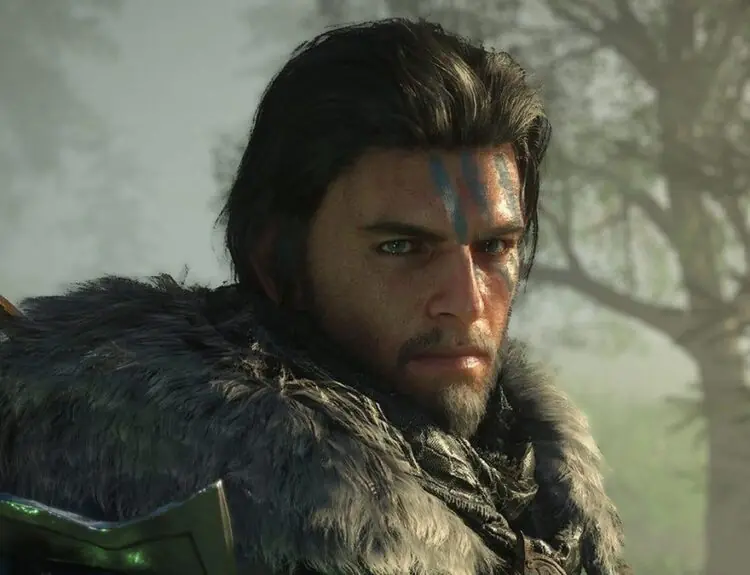
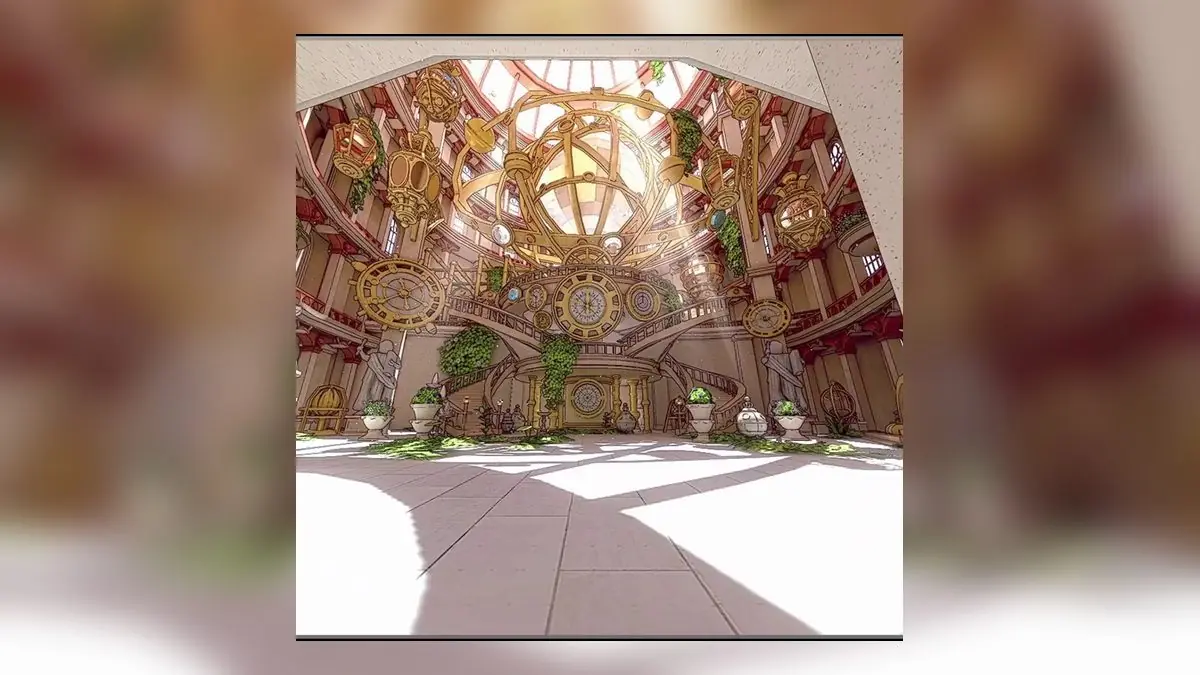
Most FPS games throw polygons and ray tracing at you until your GPU surrenders. Not ‘The Explorator.’ This atmospheric shooter takes a different route. Handmade 2D animations. Every frame crafted by hand.
It’s working. Gamers are taking notice.
“This indie dev is making a game with some of the most impressive and unique visuals I’ve seen in a long time. Atmospheric FPS. Handmade 2D animations. The game’s visuals are unique and handmade. It’s called The Explorator. The commitment to handmade art here is incredible!” — @IndieGameJoe
That tweet pulled in 1,774 likes and 133 retweets. Solid numbers for an indie game that most people haven’t heard of yet. The gaming community respects effort. Real effort. The kind that shows up in every pixel.
The Explorator isn’t chasing photorealism. It’s chasing something harder to nail down. Atmosphere. Mood. The kind of visual storytelling that sticks with you after the screen goes dark.
Handmade animation in an FPS sounds risky on paper. Frame rates matter in shooters. Responsiveness is everything. Can hand-drawn animations deliver the precision that competitive players demand? That’s the question hanging over this project.
There’s also the scope problem. Handmade art takes time. Lots of time. How much content can one developer realistically produce? Will we get a full campaign or just a cool tech demo that runs out of steam?
Some players might struggle with the visual shift too. After years of ultra-realistic graphics, 2D animations could feel like a step backward. Not everyone appreciates artistic choices that prioritize style over technical specs.
But here’s why this matters. The FPS genre has been stuck in a visual arms race for years. Better textures, more particles, shinier surfaces. Everyone’s chasing the same photorealistic finish line.
The Explorator says screw that. It’s betting on artistry over technology. That’s bold. It’s also smart.
Indie developers can’t compete with AAA budgets on technical merit. They can’t hire teams of 200 artists or license the latest rendering engines. But they can do something big studios won’t. Take risks. Try weird ideas. Make art instead of products.
The handmade approach also gives The Explorator a unique visual signature. In a market flooded with similar-looking shooters, that matters. Players remember distinctive art styles. They forget generic realistic graphics five minutes after uninstalling.
This connects to a bigger trend in indie gaming. Developers are choosing personality over polygons. Look at games like Cuphead or Hollow Knight. Both picked distinctive art styles over cutting-edge graphics. Both became massive hits.
The FPS genre needs this kind of thinking. It’s been too focused on realism and not enough on imagination. The Explorator could prove that atmospheric design trumps technical specs every time.
We don’t have a release date yet. The developer is keeping details close to the chest. That’s probably smart. Handmade animation takes time to get right. Rushing it would kill the whole point.
What we do know is that The Explorator has people talking. That’s half the battle for an indie game. Building buzz without a marketing budget means the game has to speak for itself.
The real test comes when players get their hands on it. Does the handmade art style enhance the gameplay or distract from it? Can it deliver the tactical precision that FPS players expect?
If it works, expect more indie developers to ditch the polygon chase. Sometimes the best way forward is to go back to basics. Sometimes handmade beats high-tech.