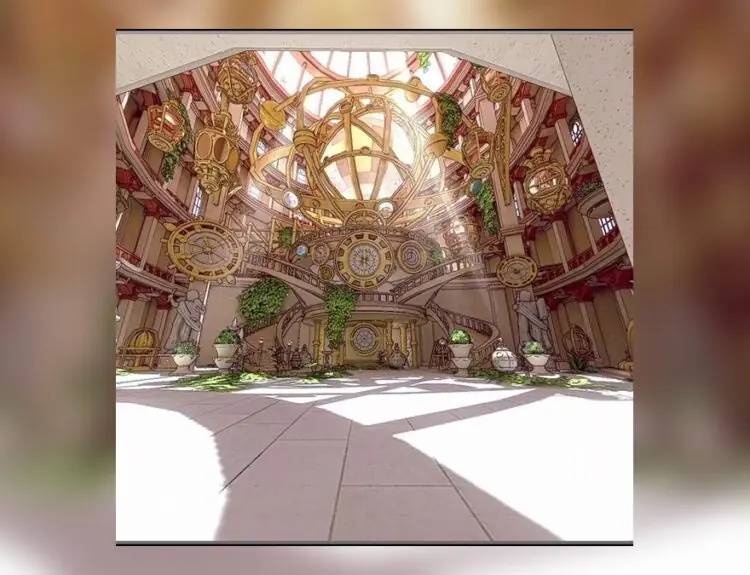
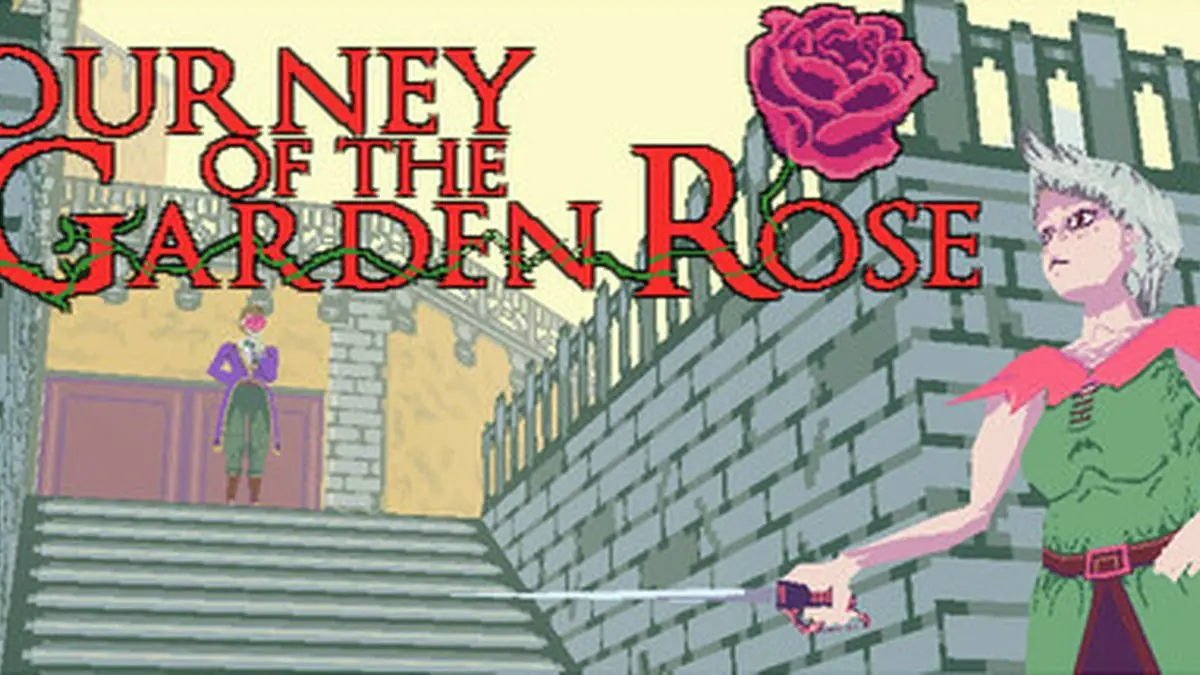
Steam just got a little more magical with the launch of Journey of the Garden Rose, and honestly, it feels like someone took the best parts of classic fairy tales and fed them through a PS1-era gaming filter. This is the kind of throwback that makes you wonder if we’ve been overcomplicating things with all our ray tracing and 4K textures.
Advertisement
“Journey of the Garden Rose is out now! Lily must explore a fantastic palace and contest with the machinations of a cruel prince to rescue her mother in this Old-School 3D Action-Adventure game!” — @Malec2b
The timing couldn’t be better for this kind of retro revival. While the AAA industry keeps pushing boundaries that sometimes feel more like tech demos than actual games, indie developers are rediscovering the simple joy of exploration and storytelling. Journey of the Garden Rose taps into that same energy that made games like Spyro and Crash Bandicoot feel magical — before we knew enough about polygon counts to care.
What’s fascinating about this particular release is how it embraces the fairy tale framework without falling into the Disney trap. This isn’t about making everything safe and sanitized. The mention of a “cruel prince” and palace intrigue suggests we’re getting something closer to the Brothers Grimm than modern animated films. Think more Pan’s Labyrinth meets Ico than your typical princess rescue story.
The old-school 3D aesthetic isn’t just nostalgia bait either. There’s something about those chunky polygons and simpler lighting that forces developers to focus on what actually matters — level design, pacing, and atmosphere. Modern games can hide mediocre design behind pretty graphics, but retro-styled games have nowhere to hide. Every room, every jump, every story beat has to earn its place.
Lily’s journey through this fantastical palace sounds like it could scratch that same itch that made games like Psychonauts and Alice: Madness Returns so compelling. There’s something about exploring strange, magical spaces that just hits different when you’re not worried about photorealistic hair physics or weather systems. The imagination gets to fill in the gaps, which often makes for a more immersive experience than any amount of technical wizardry.
What really gets me excited is how this fits into the broader indie renaissance we’re seeing on Steam. Platforms like Steam and itch.io have become laboratories for game design experiments that big publishers would never greenlight. Journey of the Garden Rose might not have the marketing budget of a major release, but it has something potentially more valuable — the freedom to be weird and wonderful without committee oversight.
The fact that we’re seeing more developers return to simpler, more focused experiences suggests that players are hungry for games that respect their time and intelligence. Sometimes you don’t need 100 hours of content and seventeen different crafting systems. Sometimes you just want to explore a cool palace and save someone you care about.
This also speaks to the growing sophistication of indie development tools. What used to require a full studio and massive budgets can now be achieved by small teams with passion and creativity. Unity, Unreal, and other engines have democratized game development in ways that would have seemed impossible twenty years ago.
Looking ahead, Journey of the Garden Rose might be part of a larger shift back toward more focused, narrative-driven experiences. As VR continues to mature and AI starts changing how we think about procedural content, there’s something refreshing about games that just want to tell you a good story in an interesting world.
Whether this particular fairy tale adventure becomes the next indie darling or quietly finds its niche audience, it’s another reminder that innovation in gaming often comes from looking backward as much as forward. Sometimes the most futuristic thing you can do is remember what made games magical in the first place.