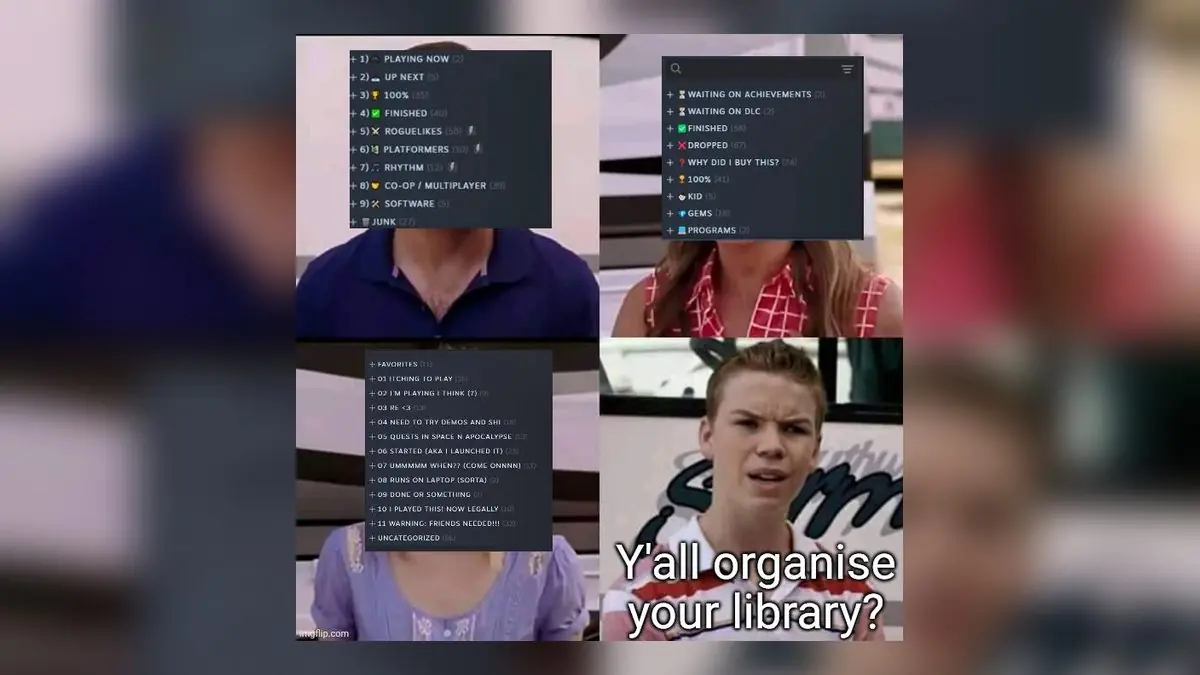
Sometimes the smallest posts capture the biggest feelings. That’s exactly what happened on r/Steam recently when a user dropped just two words that hit different for anyone who’s ever scrolled through a heated gaming thread.
The post was simple enough. A user shared their reaction to reading comments on what was apparently a pretty divisive post. No fancy graphics, no massive announcements – just pure, relatable gaming community energy.
“Literally this. How I felt when reading the comments on that post xD” — u/JaggerJam69 on r/Steam
Anyone who’s spent time on gaming forums knows this feeling. You click into what seems like a normal discussion about a game update, sale, or new release, and suddenly you’re three pages deep in arguments about frame rates, platform exclusives, or whether Epic Games Store is actually Satan incarnate.
The Steam subreddit has become ground zero for these kinds of discussions. With over 2 million members, it’s where PC gamers go to share screenshots, complain about sales, and apparently have very strong opinions about everything from regional pricing to launcher preferences.
What makes this particular moment interesting is how it captures the universal gamer experience. We’ve all been there – clicking on a seemingly innocent post about a game we like, only to find ourselves reading increasingly heated takes in the comments. It’s like digital rubbernecking, but for gaming hot takes.
The r/Steam community tends to be pretty passionate about their platform of choice. These are users who’ve probably been through multiple Steam sales, survived the green light process era, and have very strong feelings about things like review bombing and early access games. They know their stuff, and they’re not shy about sharing opinions.
This kind of community moment shows how gaming platforms have evolved beyond just playing games. Steam started as a simple digital distribution platform back in 2003, but it’s grown into something closer to a social network for PC gamers. The community features, reviews, forums, and even the comment sections have become integral parts of the gaming experience.
The fact that a simple “literally this” post resonates speaks to something bigger about gaming culture. We’re all dealing with the same comment section chaos, the same passionate debates, and the same mix of helpful advice and absolutely unhinged takes that come with any large gaming community.
Steam’s comment sections have their own ecosystem. You’ve got the helpful users who actually answer questions, the meme lords dropping screenshots and reaction GIFs, the price historians who remember when every game cost $5, and the occasional troll stirring up drama for entertainment.
Reading through controversial gaming threads has almost become its own form of entertainment. Sometimes the comments are more interesting than the original post. You might start reading about a simple game recommendation and end up learning about regional economics, software licensing, or why someone thinks Valve is either gaming’s savior or its biggest problem.
This kind of organic community reaction also highlights how different gaming platforms have developed their own cultures. Reddit gaming communities tend toward longer discussions and detailed analysis. Twitter gaming discourse moves faster but burns hotter. Discord servers create tight-knit communities around specific games or genres.
Steam sits somewhere in the middle. It’s got the permanence of Reddit with the immediacy of social media, plus the added context that everyone there is actually using the platform to buy and play games.
Looking ahead, these kinds of community moments will probably become even more common as gaming platforms continue expanding their social features. Steam’s recent updates have made community interaction even more prominent, and other platforms are following suit.
The simple truth is that gaming is social, even when you’re playing solo. Whether it’s checking reviews before buying, sharing screenshots after playing, or just reading comment threads for entertainment, the community aspect has become inseparable from the gaming experience itself.
So the next time you find yourself deep in a Steam comment thread wondering how a discussion about indie game pricing turned into a debate about global economics, just remember – you’re not alone. We’ve all been there, and apparently, we’re all thinking “literally this” while we scroll.