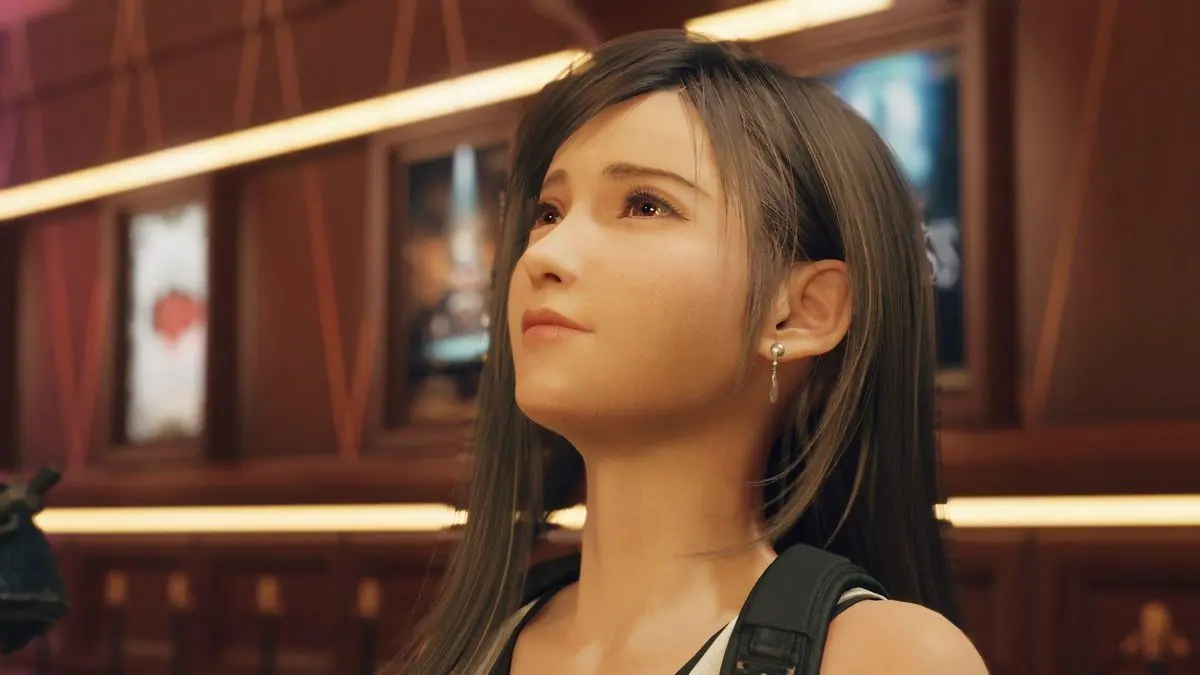
There’s something bittersweet about watching your favorite story grow old alongside you. Final Fantasy 7 was supposed to be eternal — a tale that would capture hearts across generations, just like the myths and legends it draws from. But new data suggests that Cloud, Tifa, and Barret might be aging out of relevance for younger players.
“77% of US Final Fantasy 7 Rebirth players were 30 or older, analyst says, as Square Enix fights to get young people to care about the JRPG series again” — u/CutProfessional6609 on r/PS5
This isn’t just a number — it’s a story about cultural inheritance and what happens when the torch doesn’t get passed down. The original Final Fantasy 7 came out in 1997, which means many of today’s players first met Cloud when they were kids or teenagers. Now they’re adults with careers, mortgages, and maybe kids of their own. Meanwhile, today’s teens are discovering gaming through Fortnite, Roblox, and mobile titles that tell very different kinds of stories.
The generational divide runs deeper than just gameplay preferences. Final Fantasy 7’s narrative is rooted in late 90s anxieties about corporate power, environmental destruction, and identity crisis. These themes still matter, but they’re wrapped in storytelling conventions that feel foreign to younger players. The long cutscenes, complex menu systems, and turn-based combat that older players see as sophisticated storytelling tools might feel slow and outdated to someone raised on instant gratification gaming.
There’s also the question of accessibility — not just in terms of game design, but literal access. Rebirth is a PS5 exclusive, and younger gamers are more likely to be budget-conscious. While their parents might have splurged on a $500 console for nostalgia, teens are more likely to stick with what they already have or gravitate toward free-to-play options.
But this demographic challenge reveals something deeper about how we experience stories in games. The players who fell in love with Final Fantasy 7 aren’t just nostalgic for the gameplay — they’re nostalgic for who they were when they first played it. The game became part of their personal mythology, tied to memories of late-night gaming sessions and discussions about Sephiroth’s motivations with friends.
Younger players don’t have that emotional investment. To them, Final Fantasy 7 isn’t a beloved childhood memory — it’s just another old game competing for attention with hundreds of newer titles. The remake trilogy needs to work twice as hard to establish that emotional connection from scratch.
Square Enix faces a storytelling challenge that goes beyond marketing. How do you make a 27-year-old story feel fresh and relevant to people who weren’t alive when it first launched? The company has tried various approaches — updating the graphics, modernizing the combat, and expanding the lore — but the core narrative structure remains rooted in an older era of game design.
This isn’t unique to Final Fantasy. Many long-running JRPG franchises are dealing with aging audiences. Dragon Quest, Persona, and Tales series all skew older in Western markets. The question is whether these series can evolve their storytelling to speak to new generations without losing what made them special in the first place.
The irony is that younger players are hungry for good stories in games. Look at the success of titles like Hades, Celeste, or even narrative-heavy indies. The difference is that modern story-driven games tend to integrate narrative and gameplay more seamlessly, telling their tales through mechanics rather than cutscenes.
Maybe the solution isn’t trying to make Final Fantasy younger, but finding new ways to bridge the generational gap. Some of the most successful modern games are ones that parents and kids can enjoy together. Final Fantasy has the narrative depth and emotional resonance to create those shared experiences — it just needs to find the right delivery method.
The demographic data is a wake-up call, but it’s not a death sentence. Stories have a way of finding their audience, sometimes across unexpected pathways. The challenge for Square Enix is figuring out how to tell Cloud’s story in a language that today’s young players want to hear — while still honoring the version that meant so much to the players who grew up with it.