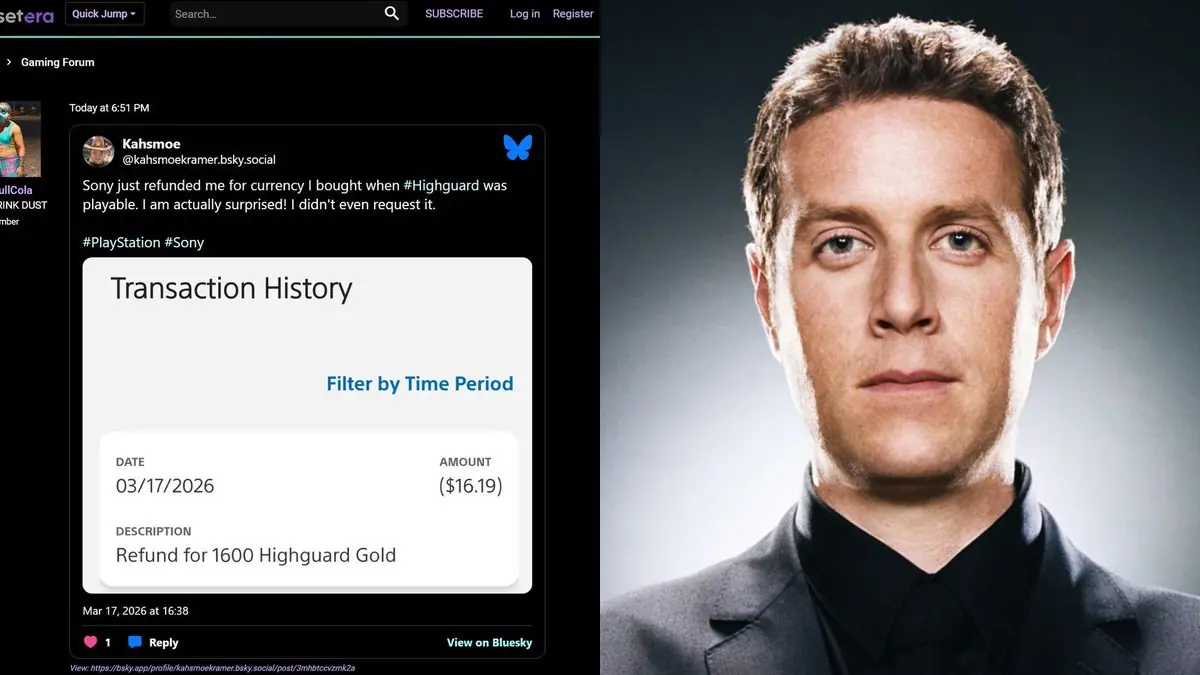
Sony just did something we’ve never seen before. The company is automatically refunding players for Highguards microtransactions after shutting down the studio behind the game. And here’s the wild part – some players didn’t even ask for their money back.
This whole situation unfolded fast. Like, really fast. We’re talking about a studio that went from operating to completely shut down in what feels like record time. The speed of this closure has left many of us in the gaming community pretty stunned.
“Sony refunding money spent on Highguards Microtransactions after Layoffs, Delisting & Studio Shut Down in record time. User claims they didn’t even request it.” — @Cyael
The timeline here is pretty shocking when you think about it. One day the studio was there, working on updates and content. The next day – layoffs, delisting, and complete shutdown. That’s not how we usually see these things play out in our industry.
Sony’s decision to automatically process refunds is getting mixed reactions from us players. On one hand, it’s refreshing to see a platform holder take responsibility when things go wrong. They’re not making us jump through hoops or file support tickets. The money is just appearing back in accounts.
But there’s also something unsettling about how quickly everything disappeared. Some of us are wondering if this sets a dangerous precedent. If a game isn’t performing well enough, will studios just get axed without warning? Are our investments in these games becoming even more risky?
The automatic refund system is pretty impressive from a technical standpoint. Sony’s backend was able to identify every Highguards microtransaction and process refunds without any player input. That suggests they have pretty sophisticated tracking systems for in-game purchases across their platform.
What makes this situation different from other game shutdowns is the complete lack of a wind-down period. Usually when a game is ending service, we get months of notice. There are farewell events, final sales, and time to say goodbye. Highguards players got none of that.
The speed of this closure is raising questions about how sustainable our current gaming ecosystem really is. When studios can be shut down this quickly, it makes us wonder about job security for developers and long-term planning for projects we’re excited about.
From a business perspective, Sony’s move makes sense. By processing automatic refunds, they’re avoiding potential backlash and customer service nightmares. They’re also showing good faith to players who might be hesitant to spend money on future titles if they think their purchases could disappear overnight.
This situation highlights how different digital game ownership is from physical media. When we buy microtransactions, we’re not just buying digital items – we’re investing in the continued existence of a service. When that service disappears, so do our purchases.
The broader implications for our industry are pretty significant. If platform holders start implementing automatic refund policies for failed games, it could change how studios approach monetization. Knowing that microtransactions might need to be refunded could make companies more careful about their business models.
For us as players, this creates an interesting dynamic. Sony’s handling of the situation is player-friendly, but the underlying cause – a studio shutting down so quickly – isn’t great for anyone. We want companies to be responsible when things go wrong, but we’d rather they not go wrong in the first place.
The fact that some players are getting refunds they didn’t even request shows how proactive Sony is being about this. That level of customer service is rare in gaming, where we’re used to fighting for refunds even when games are clearly broken.
Looking ahead, this could become the new standard for how platform holders handle studio closures and game delistings. Other companies are probably watching Sony’s approach closely to see how the community reacts.
We might start seeing more transparent communication about game sustainability and studio health. If companies know they might need to issue automatic refunds, they could be more upfront about projects that are struggling.
The Highguards situation is also a reminder that even with big platform backing, games can fail quickly in today’s market. The competition is fierce, and player attention spans are short. Studios need to hit the ground running or risk getting shut down before they can find their footing.
For future game launches, this precedent might actually be good news for us players. Knowing that platform holders might take responsibility for failed investments could make us more willing to try new games and spend money on microtransactions.
Sony’s handling of the Highguards shutdown might be setting a new bar for how these situations should be managed. Automatic refunds, quick communication, and taking responsibility – that’s the kind of approach we want to see more of in our industry.