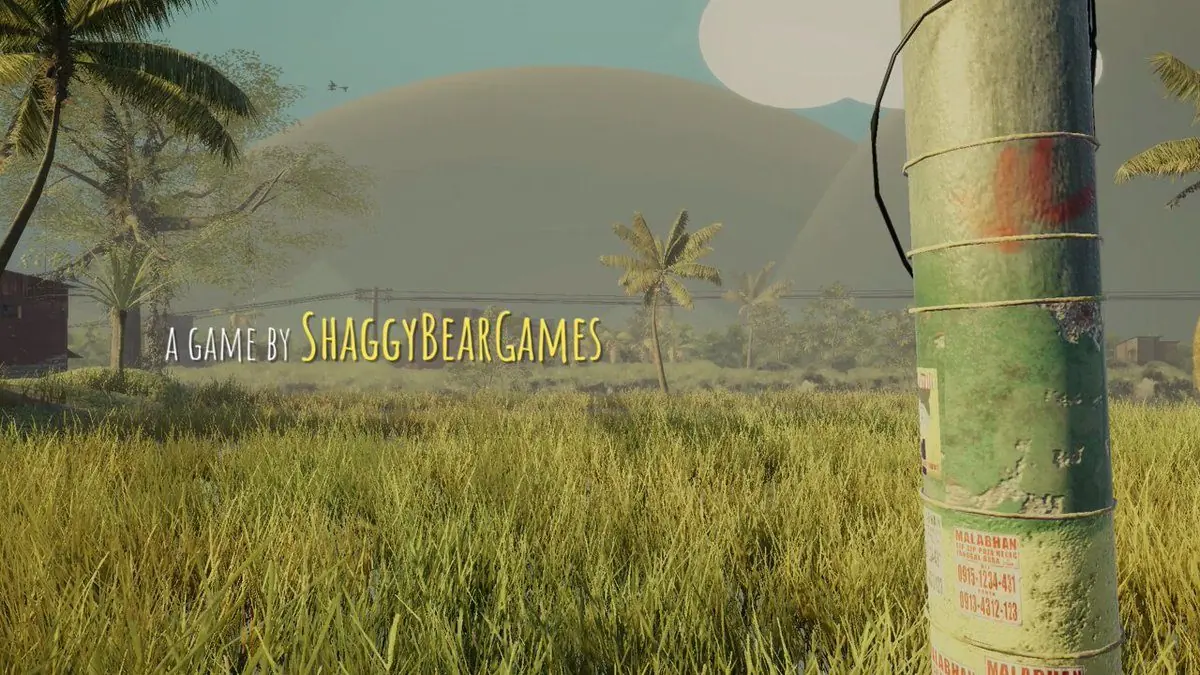
Remember those magical afternoons spent playing games that just made you feel good? Lost & Found looks like it’s bringing back that pure, wholesome gaming joy we all crave.
This charming new indie adventure has players doing something beautifully simple: helping townsfolk find their lost belongings. It’s the kind of premise that makes you smile before you even press start. But what’s really got people talking is the game’s absolutely stunning art style that somehow blends 2D, 3D, and pixel art into one gorgeous package.
The gaming community is already falling in love with what they’re seeing. The announcement trailer has been making rounds across social media, with players gushing about the unique visual approach and cozy vibes.
“Lost & Found – Official Announcement Trailer
Lost & Found is an adventure-mystery game where you return townsfolk’s lost belongings. It features a hybrid animation style that blends 2D, 3D, pixel art, & more.” — @shaggy__bear
That tweet alone pulled in over 1,300 likes and hundreds of retweets, which is pretty impressive for an indie announcement. People are clearly hungry for games that focus on kindness and community rather than conflict and competition.
The art style is what’s really turning heads though. Mixing 2D, 3D, and pixel art sounds like it could be a visual mess, but the trailer shows it working beautifully together. It’s like the developers took all our favorite gaming art styles from different eras and found a way to make them play nice together. There’s something really nostalgic about that approach — it feels like browsing through your old game collection and finding gems from every generation.
Of course, some folks are wondering if the gameplay can match the gorgeous visuals. Indie games with stunning art sometimes struggle to deliver equally compelling mechanics. Others are curious about how much content the game will actually have — returning lost items sounds sweet, but will there be enough variety to keep players engaged?
These are fair questions, but honestly? Sometimes we overthink things. Not every game needs to be a 100-hour epic or revolutionize the medium. Sometimes the best games are the ones that do something simple really, really well.
Lost & Found represents something special happening in indie gaming right now. We’re seeing more developers embrace what people are calling “cozy gaming” — titles that prioritize comfort, creativity, and positive emotions over stress and challenge. Games like Stardew Valley, Animal Crossing, and A Short Hike have shown there’s a huge audience for experiences that feel like a warm blanket on a cold day.
This trend isn’t just about nostalgia, though that’s definitely part of it. It’s about recognizing that games can be spaces for different kinds of feelings. After years of intense multiplayer battles and dark, gritty narratives, many players are rediscovering the joy of games that simply want you to feel good.
The hybrid art style in Lost & Found feels symbolic of this movement. By blending different visual approaches, the developers are creating something that honors gaming’s past while pointing toward new possibilities. It’s not trying to choose between being retro or modern — it’s confidently being both.
For younger players who might not have grown up with pixel art games, this could be a beautiful introduction to why those older styles still matter. For us older gamers, it’s a reminder of why we fell in love with this medium in the first place.
The focus on helping others — literally returning lost belongings to their rightful owners — also feels wonderfully timeless. It’s the kind of quest that would feel at home in a classic RPG, but with a gentleness that feels very much needed right now.
As for what’s next, we’re still waiting on details about a release date or platforms. The developers haven’t announced when we’ll actually get to play this charming adventure. But based on the community response to just the announcement trailer, there’s clearly an audience waiting with open arms.
Whether Lost & Found becomes the next big cozy gaming hit or stays a beloved indie gem, it’s already accomplished something important: it’s reminded us that games can be about kindness, beauty, and bringing people together. And in a world that often feels pretty chaotic, that’s exactly the kind of magic we need more of.