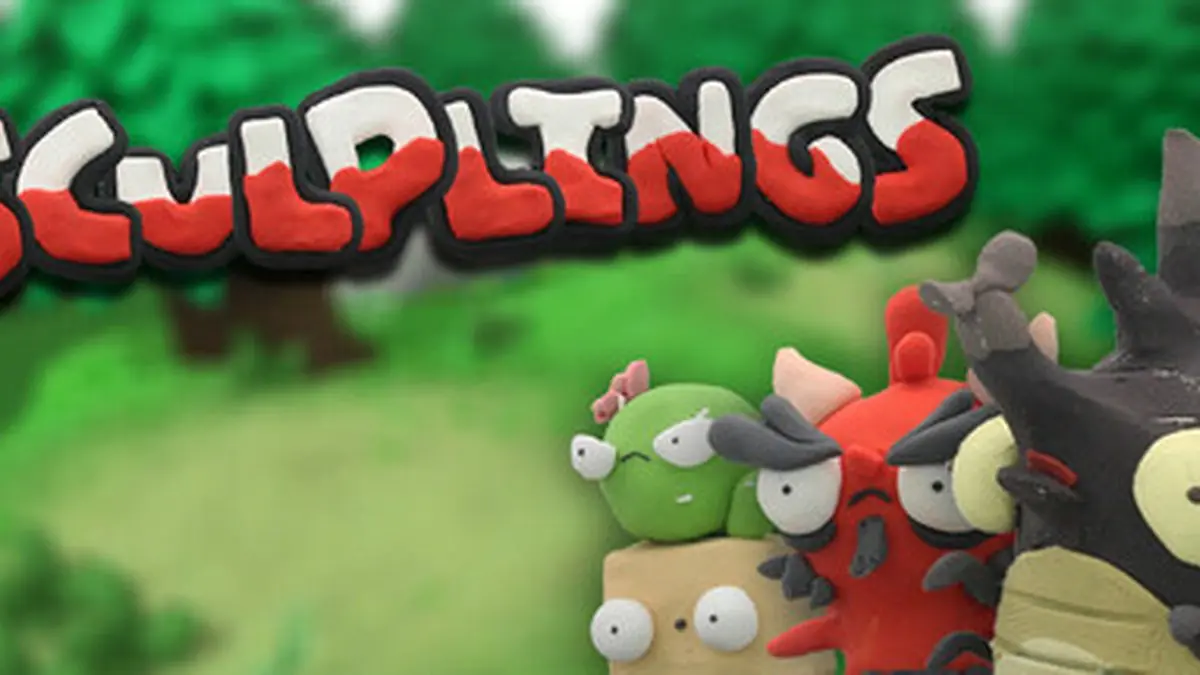
Picture this: What if Pokemon met Wallace and Gromit in a roguelike dungeon crawler? That’s basically what happened when ConorBoltDev spent three years sculpting clay monsters by hand and turned them into Sculplings 1.0, which just dropped on Steam.
This isn’t your typical indie game launch. While most developers are pushing pixels around on screens, ConorBoltDev went full analog — literally sculpting clay creatures in the real world, then bringing them to digital life. It’s like if someone decided to make a video game using the same techniques that gave us classic claymation films, except instead of Christmas specials, we get monster battles.
The developer’s excitement is infectious, and you can feel the weight of those three years in their announcement:
“Sculplings 1.0 OUT NOW!!! After 3 years of sculpting, animating, and breaking clay creatures…it’s finally here! Sculplings- a hand crafted monster tamer roguelike- is out now on Steam! Battle real clay monsters as your Journey to become the Sculplings Champion!” — @ConorBoltDev
That phrase “breaking clay creatures” hits different. You know this developer didn’t just sit at a computer — they got their hands dirty, literally. There’s something beautifully chaotic about the idea of sculpting the perfect monster, then accidentally dropping it and having to start over.
The monster taming genre has been dominated by digital creatures for decades, but Sculplings brings a tactile, almost steampunk vibe to the formula. Each creature started as actual clay in someone’s workshop before becoming a battling companion. It’s like if a mad scientist decided to combine stop-motion animation with turn-based combat.
Roguelike mechanics add another layer of intrigue here. Every run through Sculplings means facing down these clay beasts in unpredictable combinations. The procedural nature of roguelikes pairs perfectly with the handcrafted feel of clay animation — it’s controlled chaos, like a pottery wheel that occasionally throws curveballs.
What really sets this apart is the commitment to craft. In an industry where AI is starting to generate art and procedural systems build entire worlds, someone spent three years hand-sculpting monsters. That’s either beautifully stubborn or brilliantly authentic — probably both.
The development timeline tells its own story. Three years for an indie solo project isn’t just time spent coding. That’s three years of iterating on clay designs, perfecting animation techniques, and probably figuring out how to make digital clay creatures feel as weighty and real as their physical counterparts.
This feels like part of a bigger movement in indie gaming — developers going back to analog inspiration for digital experiences. We’ve seen pixel art capture the feel of old arcade cabinets, and now clay animation brings that same nostalgic warmth but with a completely different texture.
The monster taming genre needed this kind of shake-up. While bigger franchises focus on collecting hundreds of creatures, Sculplings seems more about the relationship between player and these carefully crafted companions. When each monster represents hours of real-world sculpting work, battles probably feel more meaningful.
There’s also something poetic about clay as a medium for creatures that exist in a roguelike world. Clay is moldable, breakable, and reformable — just like the way roguelike runs reshape themselves with each attempt. Your clay companions might not survive every dungeon dive, but they’ll reform for the next adventure.
ConorBoltDev mentioned ongoing bug fixes and polish, which suggests this is just the beginning. Launch day is often just the start of a game’s real journey, especially for indie titles. The developer’s commitment to continued improvement shows they’re thinking long-term about their clay creature universe.
Looking ahead, Sculplings could inspire other developers to explore tactile creation methods. Imagine strategy games using real miniatures, or puzzle games inspired by actual mechanical contraptions. The indie scene thrives on experimentation, and this kind of hands-on approach could spark a whole subgenre.
The Steam launch puts Sculplings in front of millions of potential players who might never have experienced clay-animated gaming. If it finds its audience, we could see more developers picking up sculpting tools alongside their keyboards.
For now, Sculplings 1.0 stands as proof that sometimes the most futuristic gaming experiences come from the most ancient artistic techniques. Clay meets code, and somehow it just works.